Double Profitability or Don't Enter
Books Teaching This Pattern
Evidence
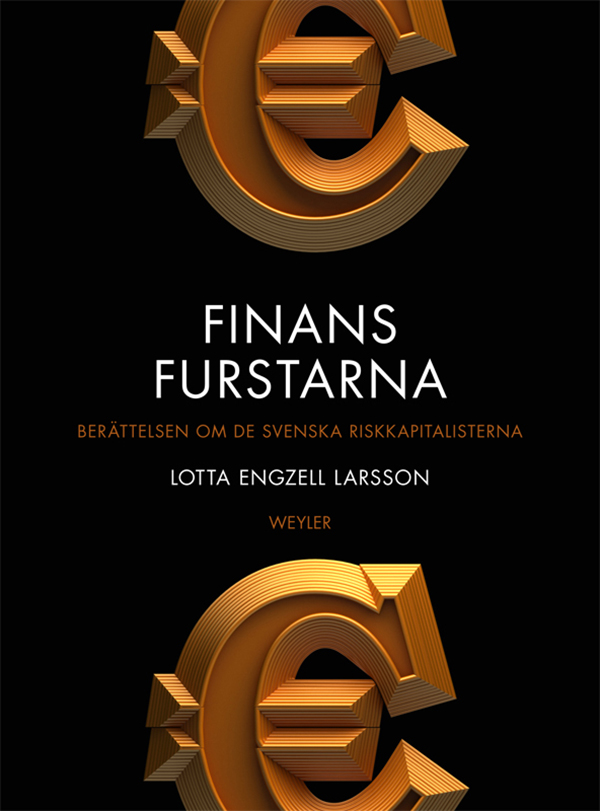
The Finance Princes - The Story of the Swedish Venture Capitalists
Lotta Engzell-Larsson · 3 highlights
"The consistent, high returns that all venture capitalists and investors seek come from companies like Piab. Harald met his peer Jakob Tell at an event for young leaders. Jakob explained that his family had founded the company, which manufactures various types of vacuum pumps for industry, in the 1950s. But now they had decided to sell, as the family could not manage to take the business further on their own. Mix became curious and started digging into the numbers, what did the growth look like in the industry, “that’s crucial.” How competitive was Piab, how profitable? “Our question is always, even if things are going well, can it get even better? We don’t enter companies unless we believe we can double profitability within five years,” says Harald Mix. It ended with Altor buying 75 percent of Piab in 2006, of which a portion was sold to management, and the rest was retained by the Tell family. Between 2006 and 2011, the profit margin (profit as a share of revenue) increased from 10 to 27 percent. Piab is an example of how venture capitalists enter family businesses and raise growth and profitability targets, setting the bar higher than the family has managed to do, because a family that has everything they own in a company does not dare to bet and take risks in the same way."
"Com Hem was founded in 1983 under the name “Televerket kabel-tv.” In 1999 the company got its current name, and in 2003 the loss-making operation was sold to EQT. When they took over, profits increased by 100 million kronor in just a few weeks simply because the new owners made sure the company contacted a group of suppliers and renegotiated the prices of the services they bought. No one had done that before. Things cost what they cost. But what especially increased the value was that EQT built and launched “triple play”: cable, broadband, and telephony in one service."
"But EQT’s best deal so far, one of the best ever made in Europe according to Conni Jonsson, was German Tognum. It yielded a profit equivalent to more than forty times the invested capital. Tognum built diesel engines, but the previous owner, Daimler-Chrysler, had let the subsidiary idle for a while. EQT made sure to use the expertise available in Tognum to broaden sales. They invested in a new generation of engines, targeted new markets, for example engines for large boats and ships, and thus increased both profit and sales. So how did EQT, a rather young and unknown company, manage to get to the negotiating table? The seller, the newly merged automotive group Daimler-Chrysler, mainly wanted to avoid the business ending up with their worst competitor, the truck manufacturer MAN. The bidder Carlyle was not a suitable buyer either, since Tognum had business with Cuba, a red flag for American companies. Instead, it became the little EQT. But they weren’t completely unknown, after all, Investor was a major shareholder in Daimler’s competitor Scania. It became an important deal not only because it was profitable, but because it marked an entry into the German market. Now, people there knew who the EQT people were when they called and wanted to do business."