Equity Stakes for Distribution Leverage
Books Teaching This Pattern
Evidence
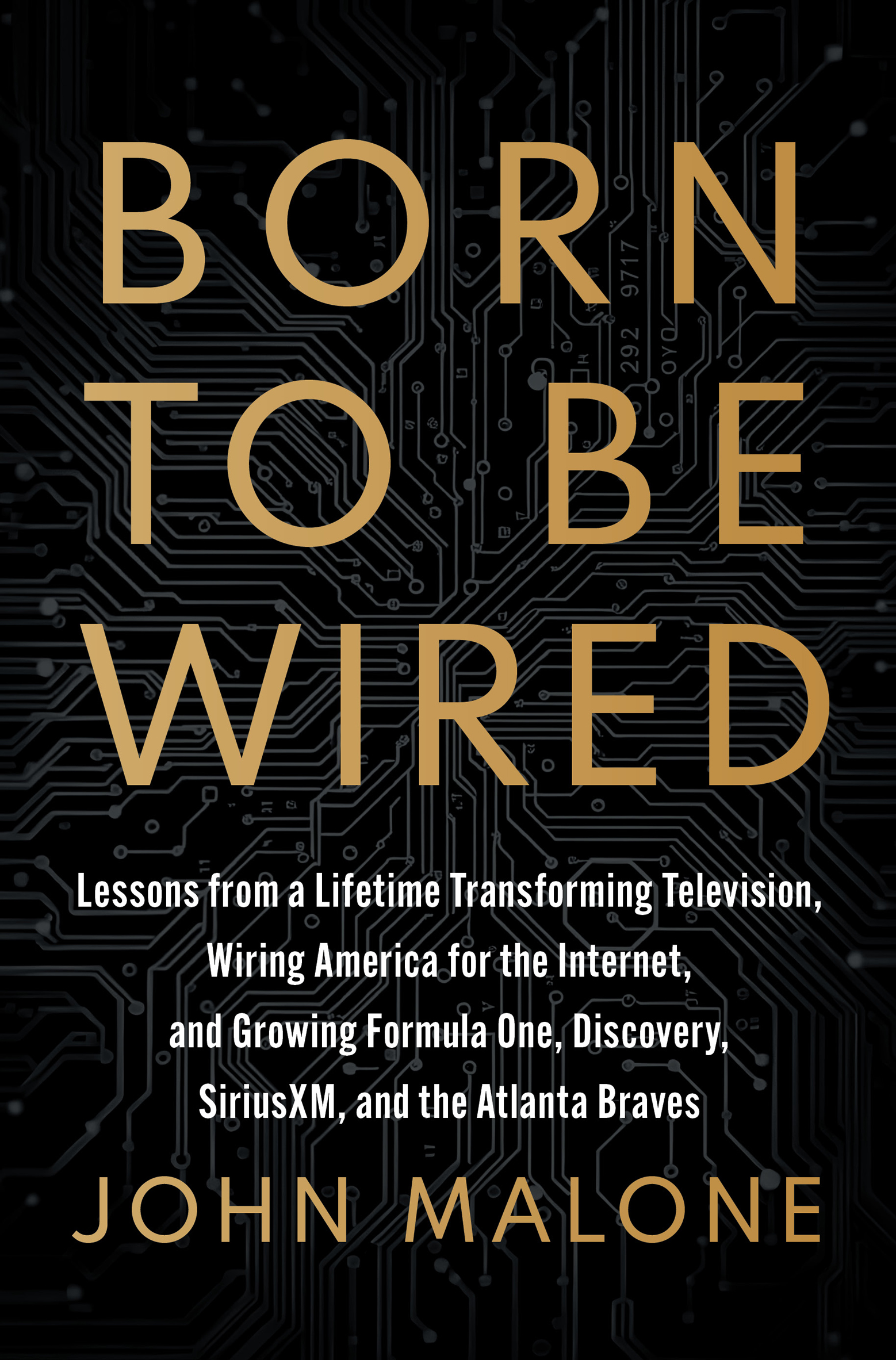
Born to Be Wired
John Malone · 4 highlights
"The conversation was always the same: What is your programming service worth? If the answer was, say, $20 million, we’d say, “Okay, we’ll pay you $5 million for a 20 percent stake, and we’ll pay you 5 cents per subscriber home per month—but we want to freeze that rate flat for the next fifteen years.” An implicit part of this discussion was TCI’s reach as the biggest cable operator in the country. By signing on with our cable systems, new channels instantly could reach 20 percent of the nation from the get-go. I personally wanted to encourage the programming companies and entrepreneurs to create content exclusively for cable TV. The industry had been feeding on leftovers from the broadcasters for nearly twenty years; in the early 1980s, the top-rated cable programs included ancient reruns of *The Andy Griffith Show* from the sixties. I knew if the new cable networks had access to the same scale and financing as we did, they could exceed the quality of what the broadcasters were producing."
"I almost hung a poster that said, “We listen to all ideas for networks.” Our rationale at TCI was that if your network comes to us to be carried, we’ll pay you like everyone else, but we will expect a meaningful volume discount as in any other business. So then if someone had a good idea, and they were looking for an equity holder, why not strike a deal for TCI to own 20 percent of that company instead? We reached roughly 20 percent of the industry’s subscribers. Over time, that became a model for several such deals."
"I also have had the rare opportunity to help some gifted entrepreneurs with great ideas, like Bob Johnson, who came to me with a concept for a cable channel appealing to African Americans called Black Entertainment Television (BET). After a thirty-minute meeting, I loaned Bob $320,000 and gave him $180,000 for a 20 percent stake in BET. He later became one of the first Black billionaires in America. And John Hendricks, who called me in 1985 in a last-ditch play to help save his struggling but promising network called Discovery. TCI wired John $500,000 within forty-eight hours after I hung up the phone with him. Prior to its merger with Warner Bros., Discovery reached a market cap of $16 billion and could be seen in more than 220 countries and territories, in fifty languages."
"TCI had a new worry: we’d be held hostage to ever-increasing fees from networks that attracted the biggest audiences. This changed the economic model in my mind, and in an instant I saw our big distribution company differently. We would have to become owners of content. Quality programming was critical for the industry, and I understood most content providers were price constrained, which is why we stepped up for Ted Turner and why we invested in BET, Discovery, and the Family Channel."