Fee Airbag: Get Paid Win or Lose
Books Teaching This Pattern
Evidence
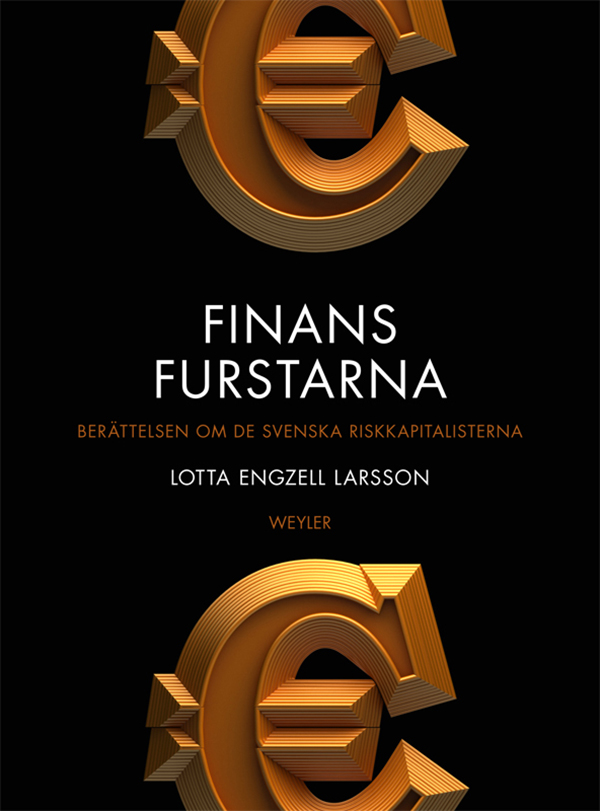
The Finance Princes - The Story of the Swedish Venture Capitalists
Lotta Engzell-Larsson · 4 highlights
"But exactly what do today’s sailors, the partners in venture capital firms, risk? Primarily, they risk their reputation and career; if a fund performs poorly, it will be hard to raise money for the next one. But during that time, they can make quite a bit of money. The setup is that if the fund manages to give investors a return on capital above a certain agreed threshold, eight percent per year, the annual management fee is repaid and the partners get their share of the profit. If, on the other hand, the partners fail, they keep the fee, which is 1.5–2 percent of the total capital. (The size varies between different venture capital firms, and the level is a little higher at the beginning and lower towards the end of the fund’s “life.”) In a fund of 10 billion, the venture capitalists can thus take out an average of around 200 million per year. The fee is meant to cover the cost of salaries for the ten to twenty people working with the fund and expenses that arise in finding investments. But it is mainly costs for deals that do not materialize that they are forced to cover. When a purchase does go through, the costs are transferred to the acquired company."
"The problems there arose when Altor tried to build a total service model based on a foreign example. Major customers like Telia, who had spun off Relacom a few years prior, resisted. Harald Mix expresses it as “we underestimated our negotiating position vis-à-vis the large customers.” What had the partners lost? Probably not that much. It’s true that they themselves invest 1-2 percent in the funds in which they operate, but even if the fund performs poorly, they still get to keep the annual fee. And if the fund performs well, there will be a profit not only on the capital the partners have invested, but also on the profit-sharing “carried interest” they receive as a reward from the other investors in the fund. Because the annual fee serves as a cushion, the risk is not that high for the partners. They, unlike the investors, get paid no matter what."
"If there is no profit-sharing, the venture capitalists still keep what remains after the management fee is spent. That money effectively compensates for the lack of profit, or loss, on their own invested funds. The management fee acts as an airbag for the venture capitalists. A loss therefore hurts them less than it does the customers."
"The magazine The Institutional Investor is celebrating its fortieth anniversary, and the room is full of stars, some with a slightly dimmer shine than others. Among those seated are the then ECB chief Jean-Claude Trichet, junk bond trader Michael Milken who was sentenced to prison for insider trading in the 1990s, as well as a number of heavyweight investors and finance people. During the dinner, one of the founders of the largest and first buyout firms, KKR’s Henry Kravis, stands up and gives a short speech. He talks about how his firm set the industry standard for fees in 1976. They didn’t really know what level to settle on, so they randomly chose to take 20 percent of the profit. — When I look back, you might as well have gotten 25 percent, he says with a laugh, directed at his colleagues."