Seventy Tastings Before Daylight
Books Teaching This Pattern
Evidence
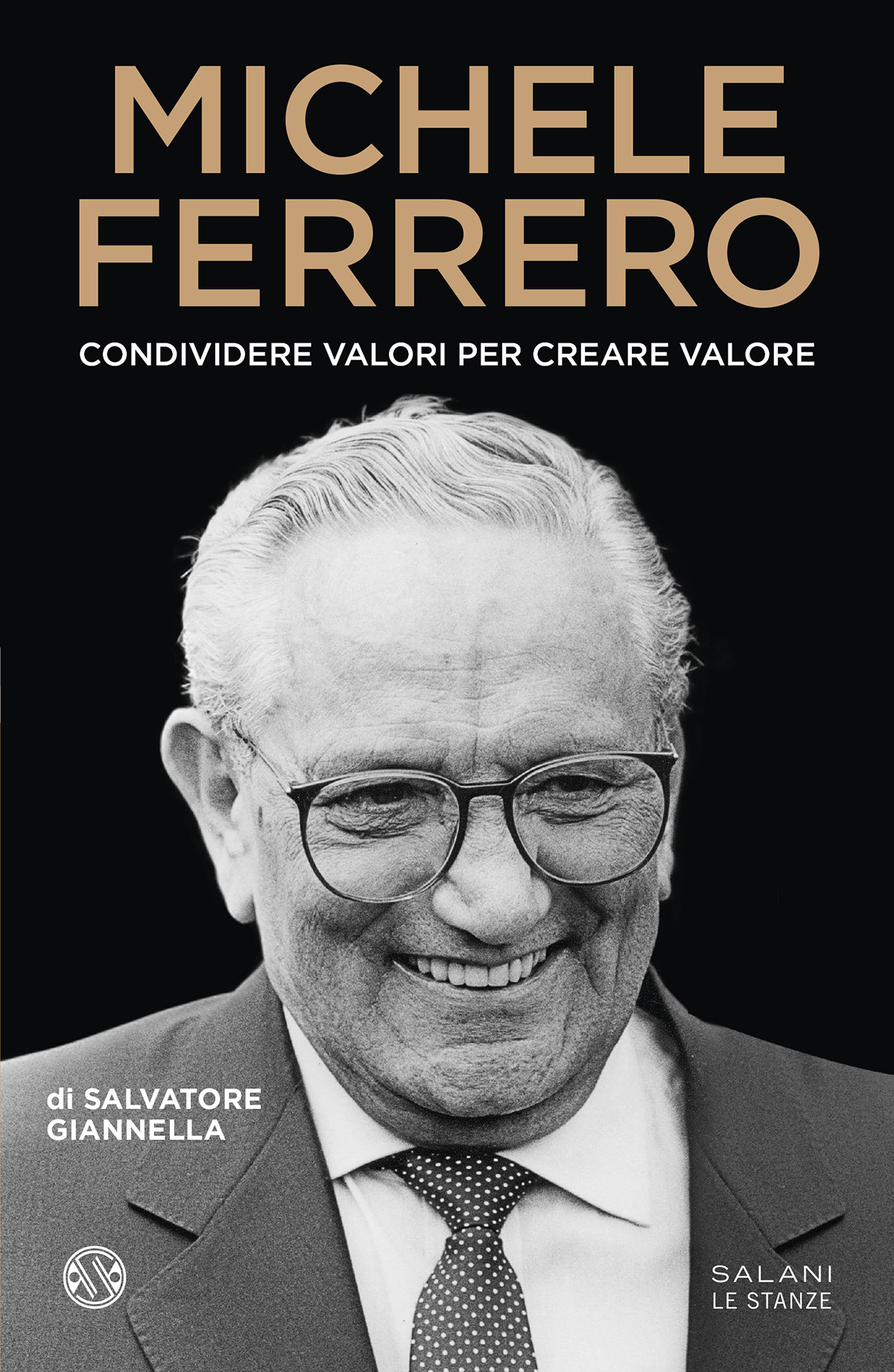
Michele Ferrero
Salvatore Giannella · 3 highlights
"A recurring phrase of Michele is precisely "go to chemistry," where every time there is a need for great concentration for important decisions, he has all the windows closed and, with his closest collaborators, tastes, cleanses the palate from the previous flavor, retastes, tries, and retries dozens of combinations. When he is in there, he loses track of time, does not know what is happening outside, whether it is day or night. Seletto still remembers: "One day we had seventy tastings in just a few hours: all those tests to evaluate the product's reaction… In short, Mr. Michele was a perfectionist to the highest degree." In those meetings, which sometimes last an entire day, anyone who gets distracted gets scolded. When Ferrero sees that someone is not following, he gets impatient: "Why do you come here, if you're not on my wavelength?" He doesn't get angry about mistakes, but about the lack of vibration, the poor participation in his own tension, the desire to understand, to learn new things. And at the center of all his creativity and the team's energies, he places the quality of the product."
"The Chemistry room is his magical world. Inside, the outside world, with its noise and distractions, ceases to exist. Within those four walls, anything can happen. He tastes, selects materials, mixes different molecules, questions the reactions of colleagues until the whole team agrees. The individual pieces move from sight to touch, from smell to taste. It's almost theater. Ferrero places the products at the center of the table and begins to converse: "You, little hazelnut from Piedmont, which are so beautiful, do you like that cocoa?" He brings them to life. With his Chemistry staff, he has his own language that is not the language of hardship but of creative imagination, of a lover's passion. In his products, there is always him, Michele Ferrero, his research, his time dedicated to perfecting 'comfort,' as he calls it."
""For example, he was not satisfied with knowing that the lemon was bought, say, from Calabria or the Amalfi Coast: he wanted to know at what altitude it was grown, whether it was exposed to the sun or not, then he wanted to know if two hundred meters higher there were other lemons perhaps with a different flavor, better, in short, the final choice became a choice derived from the extraordinary knowledge of the raw material. If you wanted to know all the details of an Indian mandarin, he would tell you with surprising details. He defined the product as 'an orchestra' and each raw material had to be tuned according to the score of that orchestra. But be careful: your product can be a catchy tune, but it risks only lasting one summer, or it can be a big work like La traviata, which lasts forever.""