Theater in High-Stakes Negotiations
Books Teaching This Pattern
Evidence
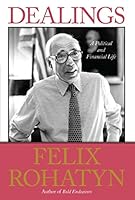
Dealings
Felix G. Rohatyn · 3 highlights
"Over time, I also became friendly with some of the labor leaders I had been meeting. However, negotiating with the unions, I learned, had its own unique rules. The leaders insisted that our discussions be conducted with a bit of theater; they wanted their rank-and-file members to appreciate how tenaciously they were battling. So, although tentative agreements would be reached in secret discussions, we would nevertheless schedule a high-profile meeting in one of the big hotels. Television cameras would be in the lobby to record the union leaders marching in with looks of steadfast determination. But in the suite upstairs, they would join Ellinghaus and me for hours of television or poker. After sufficient time had passed to suggest the intensity of the debate, we all, looking genuinely exhausted, would trundle back down to the lobby. It would be about 4 A.M. And now with the television cameras once again rolling, we would announce the tentative agreement that had been worked out as much as a day earlier."
"Our plan was to grab Hartford in a “bear hug.” This is a common Wall Street carrot-and-stick approach: large blocks of stock are purchased from shareholders; and then this “carrot” is promptly followed with a decidedly more menacing offer to the board to purchase a controlling interest of the company’s shares at a price substantially over the market. It’s a carefully orchestrated technique: the attention-grabbing offer is made in a formal letter to the board, and next there’s an immediate public disclosure of the terms. Theoretically, the announcement that the target company is “in play” will result in a huge turnover of its stock. The biggest buyers will be professional traders, or arbitrageurs, and they will greedily pressure the board either to approve the deal or to search out a richer one. Under constant attack, and with the happy prospect that their own piles of stock as well as those of their shareholders will suddenly be worth incrementally more, the board will simply throw up its hands in pragmatic surrender, resigned to suffering through an unwanted but lucrative takeover. Or at least that was how our “bear hug” strategy played out in our hopeful minds."
"When he was done, Ted Ashley and I made the presentation of the Kinney offer. At first, our discussion was a litany of numbers, the dollars and cents we would pay for the stock, and the promising financial potential we saw in the studio’s future. This was a typical investment banker’s strategy: stick with us; we’ll make you rich, and then even richer. But, rather untypically, after I had waved the golden carrot, I proceeded to brandish a very sharp stick. I announced that we had taken it upon ourselves to alert the SEC to Commonwealth’s financial shenanigans. And, in another uncommonly aggressive tactic, we had also shared our analysis of the Commonwealth balance sheet with its large institutional shareholders. This was not the way we generally conducted business at Lazard, but the deal was not our usual sort of deal, nor were we up against the usual sort of principals. On behalf of our clients, we could, when it grew necessary, become fiercely pragmatic. Rozet was furious. As he stormed out of the meeting, he paused to shove his face directly up against mine and shout that he would sue me. But it was too late. I knew that Charles Allen and Bernie Cornfeld were too sophisticated and too practical to tie their futures—and capital!—up in a teetering corporation. They would have no choice but to negotiate the best deal they could with Kinney. Which, in short order, they did."