Content Format Innovation as Market Creation
Books Teaching This Pattern
Evidence
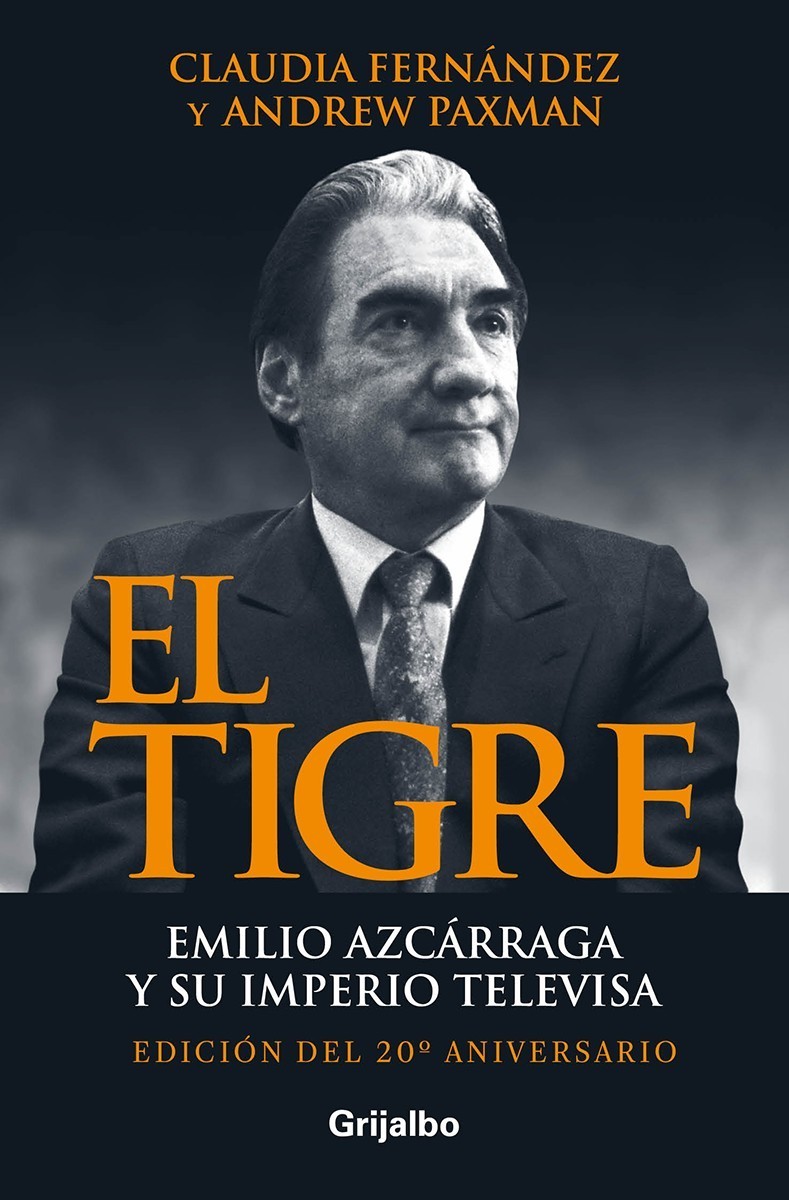
The Tiger
Andrew Paxman · 3 highlights
"On June 9, 1958, three months after Emilio and Pamella’s wedding in Paris, a new genre appeared on Channel 4 that would gradually revolutionize Mexican television and put it at the forefront of the Spanish-speaking world. With the actress Silvia Derbez, the Spanish immigrant Francisco Jambrina, and the Cuban Dalia Íñiguez in the starring roles, Senda prohibida went on the air, the first telenovela to be produced daily in Mexico."
"By 1958 most well-off Mexicans already had one of these devices; it was time to motivate middle-class families to buy their television set, which required a more popular programming lineup. At the same time, advertising agencies and international companies had realized that the episodic programs broadcast in the United States were more effective at promoting household goods than one-off programs. Serials ensured a regular audience for regularly consumed products."
"The solution to the challenge was the telenovela. This format had little to do with the teleteatros; in most cases, its content and style were not related to literary works. Rather, the telenovela arose from radio, specifically from Cuban radio of the 1930s and 1940s. Radio soap operas adopted the melodramatic style of nineteenth-century novelists, such as Charles Dickens and Honoré de Balzac, and of the American radio soap operas of the 1930s, created by large companies to promote their products."