Crisis Creates Opportunity: Buy When Blood Runs
Books Teaching This Pattern
Evidence

Mr. Kaiser Goes to Washington - The Rise of a Government Entrepreneur
Stephen B. Adam’s · 3 highlights
"After the administration began to prepare for war in the wake of the Nazi invasion of the Low Countries in the spring of 1940, Kaiser quickly moved from domestic concerns to war production. Kaiser also offered the administration alternative entrants in industries that hesitated to increase production; his belief in production as the "Fifth Freedom" fit both prewar and wartime administration needs. By the time Kaiser and Franklin D. Roosevelt developed a personal relationship during the war, the president appeared sympathetic to Kaiser's goals for a simple reason: they coincided with Roosevelt's."
"In the summer of 1942, "fabulous" Henry J. Kaiser burst like a comet across the national sky. His West Coast shipyards had performed production miracles during the dark days of America's first six months in World War II, a time when merchant shipping across the Atlantic, a target of German submarines, was deemed the most crucial bottleneck to overcome for America's war effort. 1 He had made headlines for his magnesium enterprise and for the steel plant he was about to build, both of which provided the "arsenal of Democracy" with a West Coast alternative to sluggish East Coast producers. Kaiser was introduced at the National Press Club in July as "the modern"
"Contracting in the early twentieth century was a booming business. From the inception of Henry Kaiser's paving business in 1914 to the eve of the Depression in 1929, America's population increased by nearly 25 percent, while manufacturing output and new construction nearly doubled. During the same period, construction of highways, roads, and streets Kaiser's segment of the business tripled.10 The growth of road building in California (Kaiser's future base) was fairly representative of this construction boom. As of November 1910, "there were 28 contracts and day labor jobs under way on the state highway system, involving 280 miles. On July 1, 1922, there were 152 contracts and day labor jobs with a total of 1,063 miles."11"
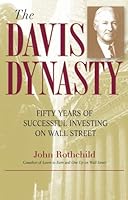
The Davis Dynasty
John Rothchild · 4 highlights
""Out of crisis comes opportunity," Shelby remembers him saying. "A down market lets you buy more shares in great companies at favorable prices. If you know what you're doing, you'll make most of your money from these periods. You just won't realize it until much later.""
"In the savings and loan (S&L) debacle of the late 1980s,he looked for an investment angle. In his "Crisis Creates Opportunity" mode, he found an obvious beneficiary in Fannie Mae, a buyer and processor of home mortgages.In cities and towns across America, the same buccaneer spirit that inspired corporate raiders bankrupted hundreds of local thrifts."
"The Dow rose from 41 to 160, and the S&P 500 did even better. This unexpected bonanza was a good lesson for Davis. It reminded him that stocks don't read the papers or swoon in response to scary headlines. When they're priced for desperation, they can rally in the face of desperation, escaping the dumps while the companies to which they're attached are still wallowing in the dumps."
"After the market closed on that infamous "Black Monday," Widlitz had the unpleasant task of telling the boss he'd lost $125 million. The news didn't shake him. "Losing $125 million in the market he could tolerate," said Widlitz, "because a pile of bargains had landed in his lap. Losing $125 out of his wallet would have driven him crazy.""