Hunt the Balance Sheet Gap to ¥500 Billion
Books Teaching This Pattern
Evidence
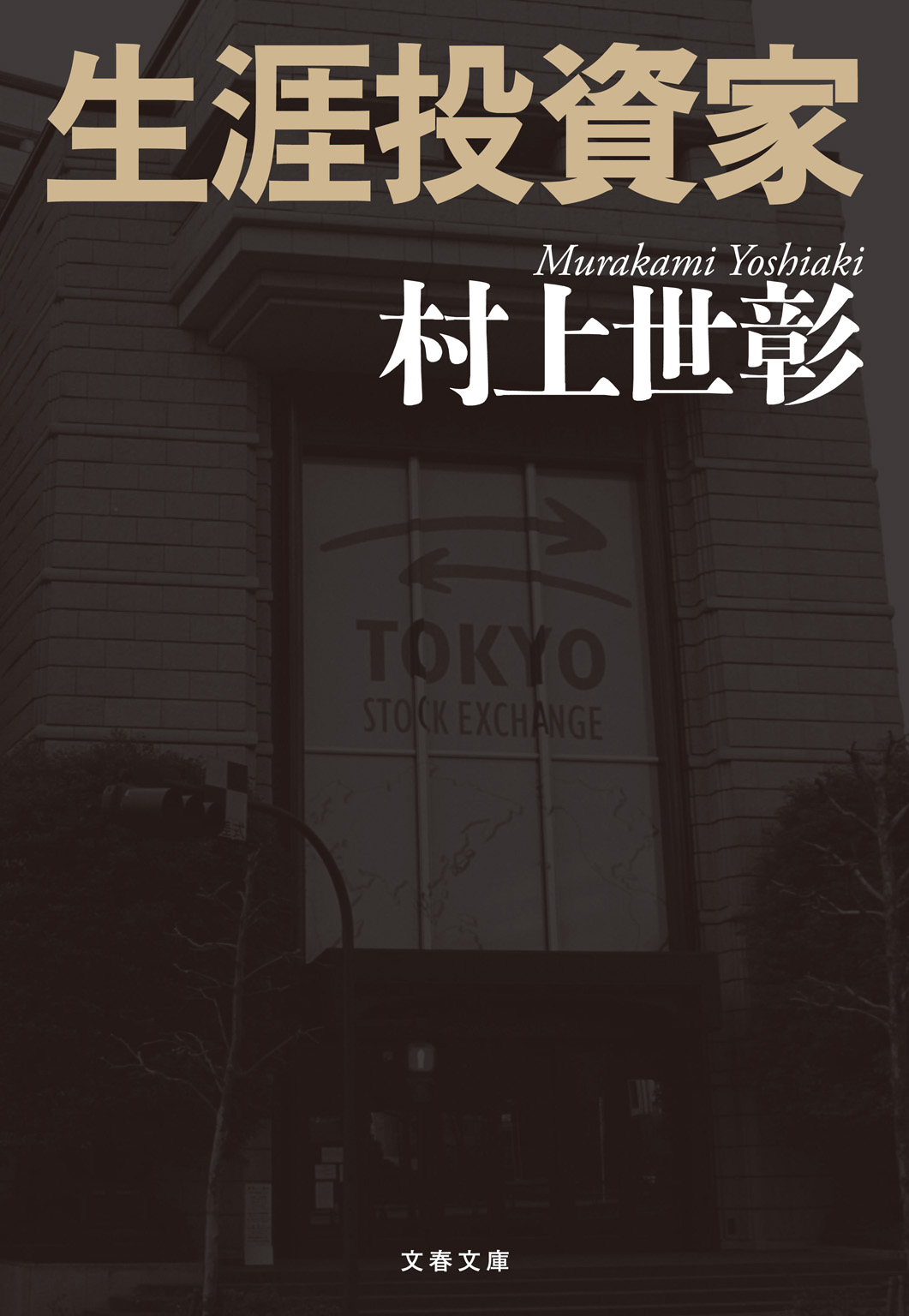
Lifelong Investor (translated)
Yoshiaki Murakami · 3 highlights
"When the fund started, my consulting work for the Tokyu Group had ended. This time, upon reviewing the Tokyu Group as an investment case, Tokyu Hotels, a subsidiary of the group, turned out to be very appealing to the fund. Therefore, after making a formal proposal to Tokyu Railways, I began buying shares of Tokyu Hotels. At that time, Tokyu Hotels had a market capitalization of about ten billion yen, but the real estate it owned in Akasaka alone was worth about five hundred billion yen in market value terms. Because of the presence of a major shareholder, Tokyu Railways, which owned 20% of the shares, the liquidity of the shares was low and the stock price was left undervalued."
"Around this time, another company I invested in was Sho-ei. Originally a raw silk manufacturer, with the decline of the market, they had repurposed their factory sites into shopping centers, effectively becoming a real estate company. The market capitalization was around five billion yen, but it was a debt-free company with assets worth about five hundred billion yen. Out of the assets, just the Canon shares they held were worth about two hundred billion yen in market value. Additionally, they owned numerous publicly traded stocks and real estates. It was a small company with about forty employees, with former managing directors and executive officers of Fuji Bank becoming presidents. In M&A Consulting, analyzing listed companies with various metrics, Sho-ei always appeared consistently within the top five as an undervalued company."
"My investment strategy is thorough value investing, focusing on companies whose market capitalization is lower compared to the assets they hold. Often, such companies might be experiencing management issues. When I try to address these problems from a shareholder's perspective, I'm criticized as a "vulture fund." This is quite regrettable, and I have spent years trying to gain understanding. However, being naturally impatient, when my points aren't understood or when I receive evasive answers to my questions, I have a tendency to speak only to the point or become harsh in tone. At the core, I just want to be understood, but due to my poor communication method, the public perception of me remains negative as I'm often told "it's not what you say, but how you say it.""