Kravis as Hostile Takeover North Star
Books Teaching This Pattern
Evidence
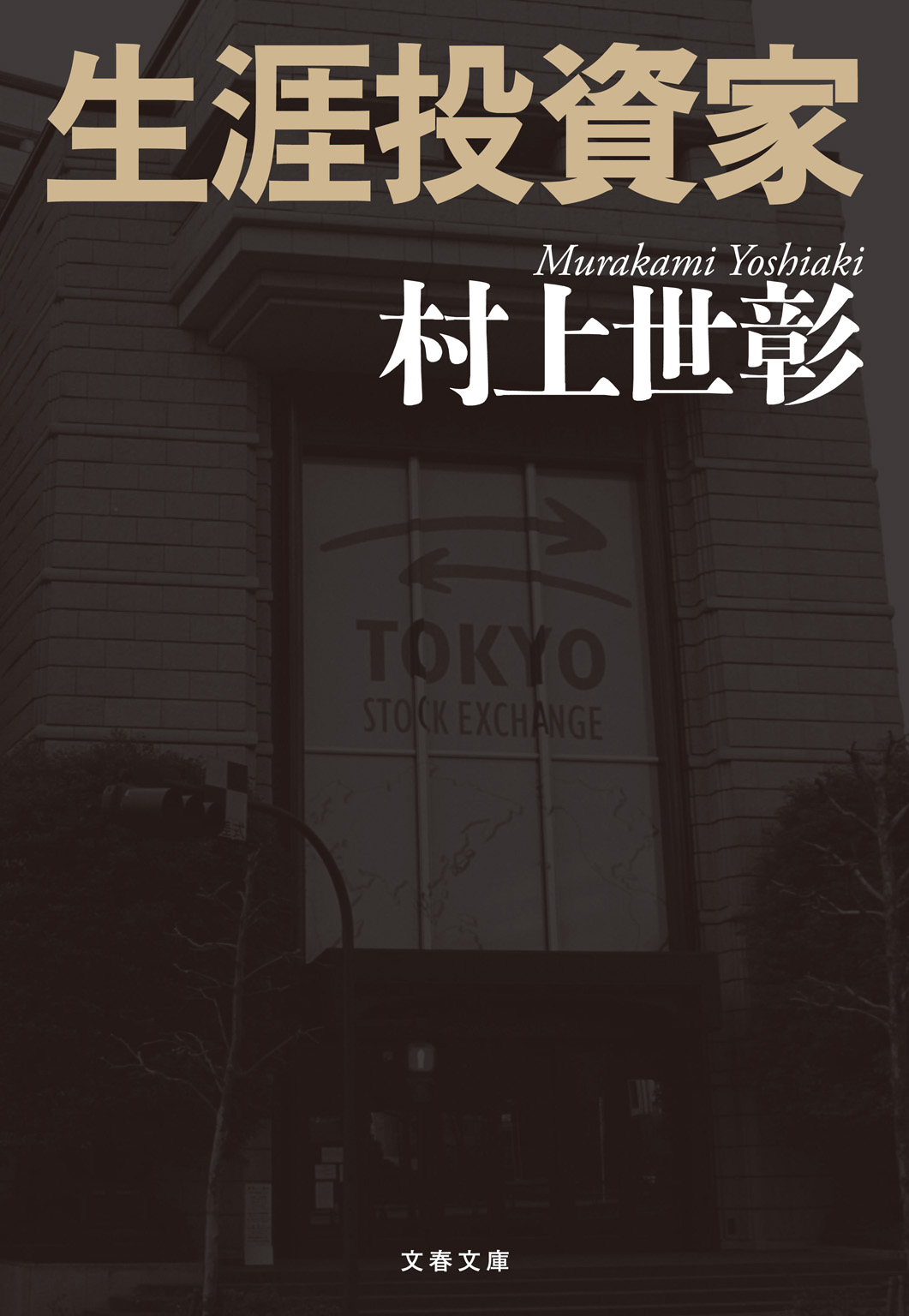
Lifelong Investor (translated)
Yoshiaki Murakami · 2 highlights
"In 1988, the management of RJR Nabisco announced the MBO, encouraged by an investment bank's proposal. It later came to light that there was a secret agreement with M&A advisors that about two billion dollars in rewards would be given to the seven managers (themselves) if the MBO succeeded, and external directors also expressed support for the MBO. However, because the purchase price offered was too low, Mr. Kravis of KKR, a veteran LBO fund, angrily declared, "He intends to snatch RJR Nabisco at a cheap price!" and immediately announced a competitive TOB. Naturally, this TOB was hostile, but since it was offering a higher price than the MBO proposal, external directors had no choice but to approve it. As a result, KKR acquired RJR Nabisco for about twenty-five billion dollars in an LBO. This incident demonstrated that once a company is put up for sale, potential buyers come forward, and it gets sold to the highest bidder. In other words, the mission of a company is to maximize shareholder value. This acquisition amount was the highest in history at the time and was titled "BARBARIANS AT THE GATE" in books and movies. Mr. Kravis of KKR, a pioneer of hostile takeovers, became my role model."
"After Black Monday on October 19, 1987, RJR Nabisco's stock prices had been languishing. Ross Johnson, the CEO, saw this as an opportunity and proposed the buyout to privatize the company, which triggered the acquisition. Originally, RJR Nabisco had a plentiful cash flow from its tobacco business, and its management indulged in luxury. With a dozen corporate jets and thirty-six employee pilots dubbed the "RJR Air Force," and even acquiring star golfers and football players known as "Team Nabisco," President Ross Johnson had even been paying consulting fees to companies where his company's directors served as CEOs and covered salaries of directors’ household staff with company funds, effectively making the company his personal property."