Intuition as Future Compass
Books Teaching This Pattern
Evidence
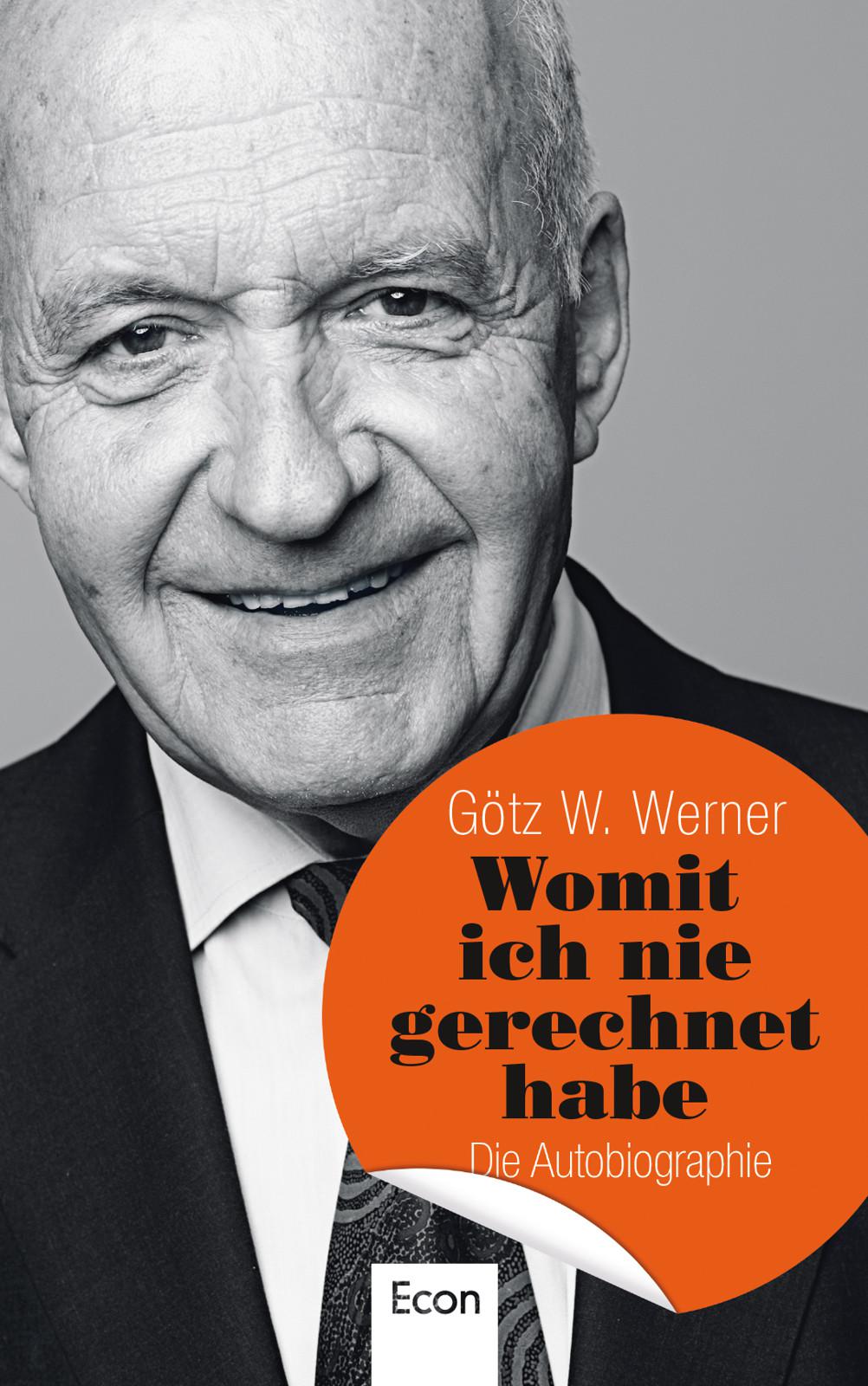
Werner Götz · What I Never Expected
Werner, Götz W. · 2 highlights
"Because in everything we do: What is important about it? The future! And not the prolongation of what has already been experienced. Only a bureaucrat acts from the past. The entrepreneurially disposed person always starts anew. He acts on the basis of today and what he anticipates from the future—strengthened by the skills he has developed in the past. With empiricism one grasps the past, with evidence one copes with the future. We move through the world, have our experiences, and derive some insight from them. One tries to ensure this insight, then feels secure and moves on. The path leads to a new encounter, one discovers an interest in the matter and then has an intuition. This intuition tells you: Now you must continue here! That is not an empirical experience; that is an experience of evidence. The evidence gives me insight. One does not act from experience, but from insight. Perhaps you are not in love yet, but you meet the other person and say: This has something to do with me. From the evidence comes insight. Everyone says it can’t be done, but you feel that maybe it could. It is an inner conviction of doing the right thing."
"I call such situations experiences of evidence. Evident is something that convinces through immediate perception. It does not require lengthy argumentation, any special method, prior knowledge, or expertise to recognize something as evident. When something is evident, it no longer needs examination or lengthy analysis. Although it is quite likely that you wrote a detailed checklist for apartment hunting. It lists everything that is important to you: location, size, price, amenities. You certainly also had specific demands regarding sportiness and stability for the new bicycle in advance. And possibly you also had clear ideas about the appearance, character, or hobbies of the man or woman of your dreams. But in the concrete situation, you have an experience of evidence before you even considered the first point on your checklist. Only afterwards do you go through the criteria one by one and check whether what seemed obvious stands up to critical scrutiny—where it quite often happens that certain real aspects do not correspond to the ideally conceived conditions. Then you start to correct the checklist, for example by attaching less importance to individual criteria. “A sturdy luggage rack on the bike isn’t really that important to me. After all, I don’t really go on such long bike rides that I would need to carry a heavy bag.” Or by turning the negative points into positives: “It would be more convenient if the nearest supermarket were within walking distance from the new apartment. But it’s only two bus stops away. And it’s much healthier anyway if I ride my bike there, then I get a bit of exercise at the same time.” Or we throw all the good arguments into the balance in order to make up for one or two shortcomings: “Okay, I can’t discuss soccer with the woman, but she looks great, has a big heart, and is incredibly smart!”"