Invisible Ownership Through Proxies
Books Teaching This Pattern
Evidence
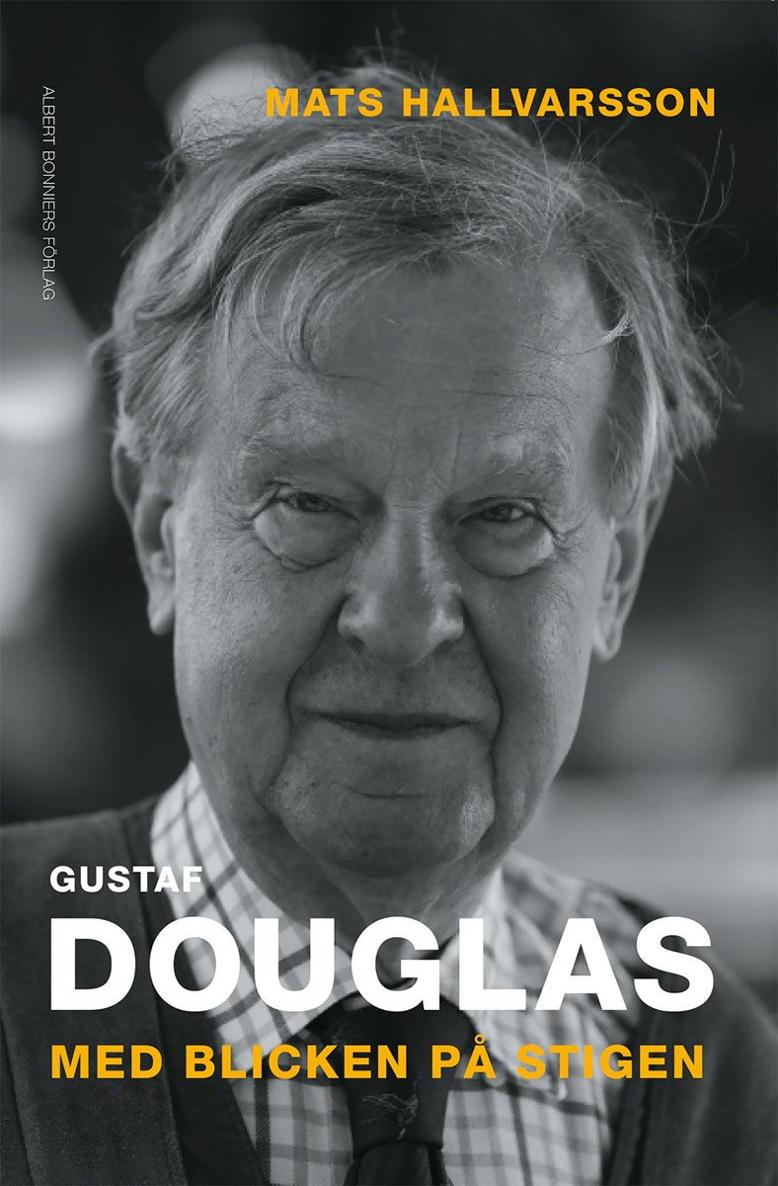
With eyes on the path (translated)
Gustaf Douglas · 3 highlights
"If you want to put a job title on me that explains what I have been doing during the days of the last forty years, you come pretty close with the label board worker. An endless amount of my time has gone to reading materials, preparing materials, leading and participating in board meetings. Meetings and decision-making were my everyday work."
"The years have taught me what constitutes a good board and good board work. With few exceptions, a principal owner should be the chairman in the companies he or she owns. It is, so to speak, the physical and mental manifestation of the ultimate responsibility - "the buck stops here," as the Americans say. It is also the expression of an active and lively interest in how the company is managed. Leading board work with competent members encourages one to strive to be really proficient in all relevant issues and to be able to match more specialized members. In the case of many owned companies, one must rely on non-owner chairmen, who can advantageously be sought within one's own sphere, trusting that they are familiar with the ownership philosophy and have the time and benefit of such a demanding assignment. At Latour, it is natural that our CEO Jan Svensson is the chairman in most of our wholly-owned companies."
"Who, then, should sit on boards? The task is essentially about functioning as the company's advisor and ultimate decision-maker on significant issues. The board should not represent partisan interests but be a decision-making assembly in the service of all shareholders. Let me start with those who should not be there. Lawyers, bankers, and consultants should not be included but should naturally be utilized as advisors. They have occupational hazards from disputes, financial arrangements, and knowledge stealing that can disrupt the focus on development in discussions. It is more difficult to be categorical about who should be included. Experience suggests that people with training in operational responsibility in companies in the industry or similar industries can work well. It is also important to capture individuals with long experience of technological and market changes and the ability to support the company's various development phases. CEOs with long tenures under challenging conditions tend to have useful experiences and often perform well on boards."