Opium Revenue as Government Co-Dependency
Books Teaching This Pattern
Evidence
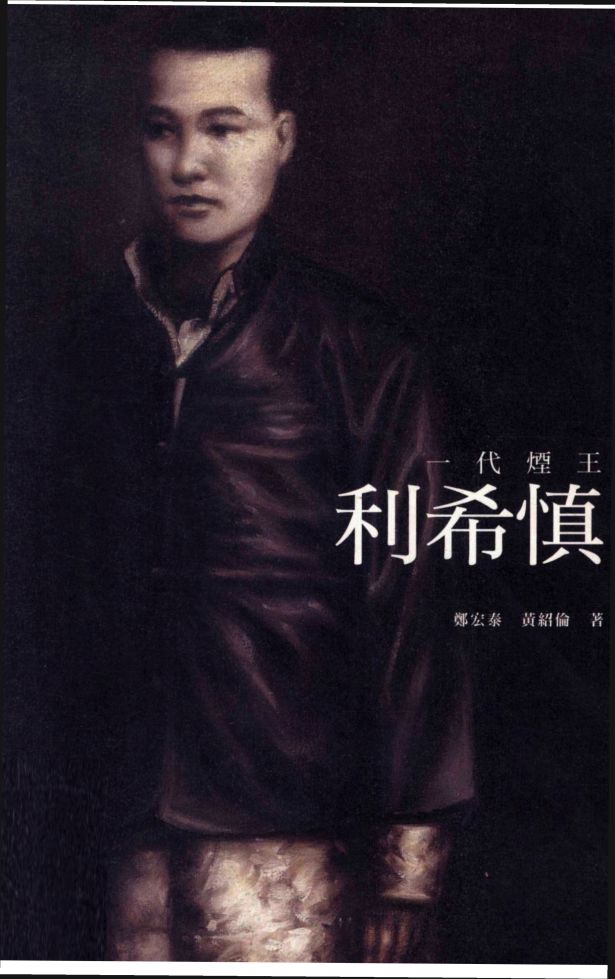
Hysan, the Smoking King of the Generation
Cheng Hongtai · 2 highlights
"From 1902 to 1914, the government mixed opium tax revenue with other license taxes and internal revenues, so I couldn’t grasp the changes in opium tax revenue. However, it's believed that during this period, there was a significant increase because in 1915, data showed the opium tax revenue was 4,765,026 dollars, making up 40.43% of the 11,786,107 dollars of the entire government's annual revenue; this was a substantial increase from the 16.30% in 1901, nearly one and a half times more. From 1916 to 1919, the opium tax revenue still maintained a level of over 40% of the government's annual fiscal revenue. In 1919, it drastically dropped to 29.39% in 1920, 14.91% in 1925, and 10.19% in 1930 due to the British Hong Kong government's agreement on the policy to gradually abolish the opium trade (Table 3.1)."
"The unique background allowed prominent merchants who built fortunes on opium, like Jardine, Matheson & Company’s Matheson and Jardine, Mody and Company’s Mody, Belilios and Company’s Belilios, and the Sassoon families, as well as the Ho family, to become influential figures of the era. Smoking opium was considered commonplace, nothing unusual."