Perpetual Grumbling as Quality Control
Books Teaching This Pattern
Evidence

Strictly Business
Shing Huei Peh · 2 highlights
"“This is not an easy man to be friendly with. But then some people say I’m not easy either. Understand one thing, he always grumbles. He wakes up, he grumbles: this isn’t good enough, that isn’t good enough, you don’t know how to run a hotel, you don’t make enough money for me, it’s Thursday. I tell him this and he laughs but it’s Leng Beng way of operating.”"
"Kwek often expects near instant results, delivery or products. His favourite phrase is “quick, quick, quick.”"
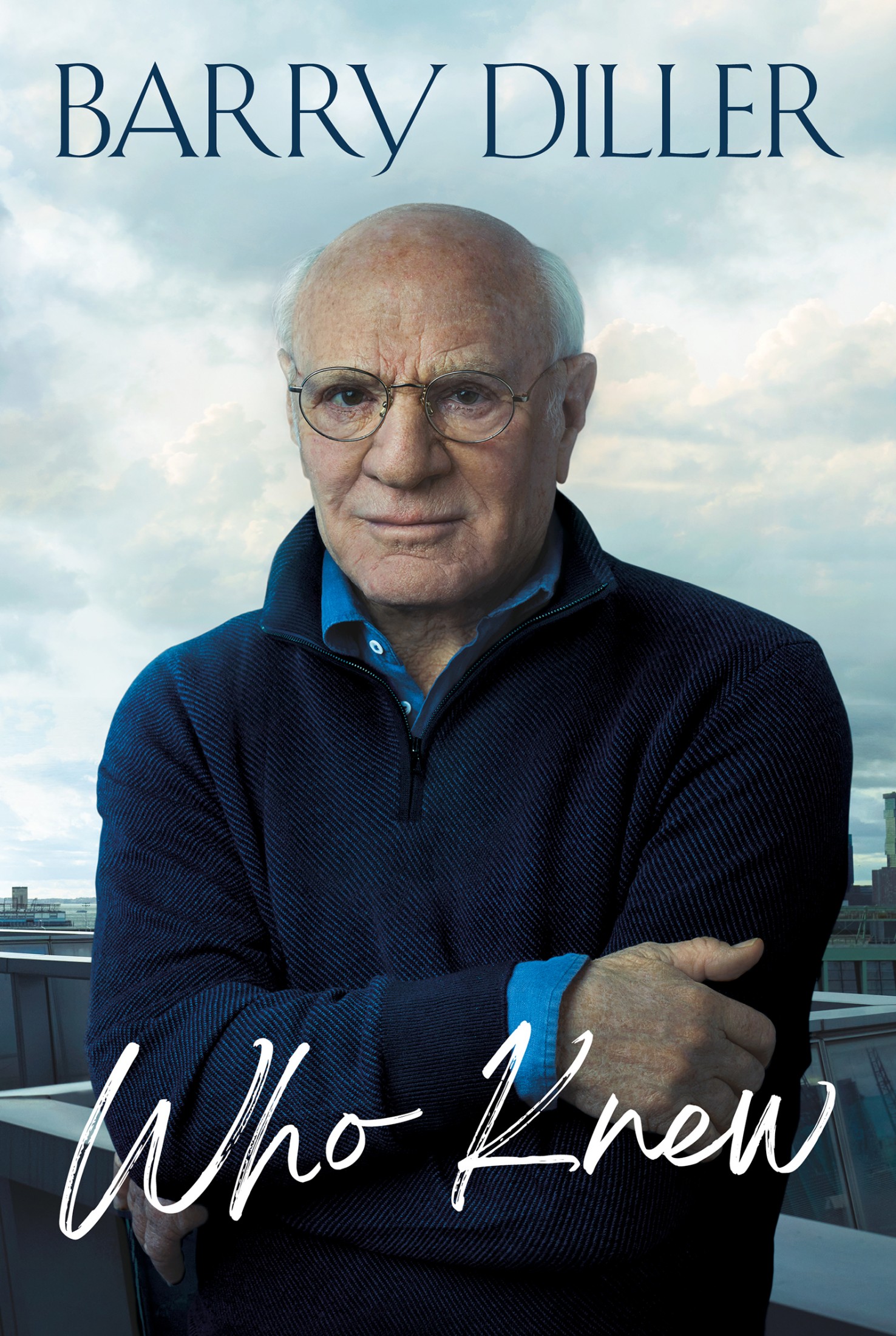
Who Knew
Barry Diller · 3 highlights
"I couldn’t understand why opening a picture nationally, using television, wasn’t a better idea than what they’d been doing. I had learned long ago that ad making was mostly about saying no to the ad makers. As in, “No, it’s just not good enough,” and “No, you can’t go home until you make it better.” The standard process at Paramount was to review three or four concepts that the ad department corralled from outside vendors, toss them around for a few minutes, and pick one."
"I came to understand that denial—refusing to accept an ad that didn’t jump off the page and resonate—was the only thing that mattered. I’ve always believed that if you push people past their endurance, good things come. Rarely does a great ad or a great TV spot appear on the first try, and when it does it’s clear instantly and you don’t have to talk around it. What I call “torturing the process” works. Saying “It’s okay” or “It’ll do” is repellent. Never compromise. There wasn’t an idea for a movie or an ad or television spot I didn’t torture: we had the noisiest, rowdiest sessions that lasted into the night, trying to come up with ideas for movies, with the best advertisements, and it was usually after some exhaustion that original ideas emerged."
"One day early in its release, I got a call from Arnold asking to see me. He came bounding into my office saying, “I want a billboard on Sunset Boulevard.” I told him, “We don’t do that. I don’t believe in billboards. It’s a waste of money.” He said, “No, no, no. I *have* to have a billboard. It’s *very, very important* to me. I must have a billboard on Sunset Boulevard.” I said, “Well, you ain’t gonna get it from me.” He then proceeded to do an utterly impolitic and unactorish thing, which was to call me every week for the next two or three months, always saying the same thing: “I have to see you about my billboard!” And every time, I said no. What did I know? I thought, *Here’s this dumb-fuck oaf who wants a billboard, and I’m not giving him one.* I told him, “Look, the problem with stuff like billboards and full-page ads is that it becomes a precedent. The next person who wants one will just say, ‘But you gave it to Arnold—why aren’t you giving it to me?’ I don’t want to do any of that stuff. I don’t believe in it. I’m never giving a billboard to anyone.” Even though Arnold kept at it and at it and at it, I never gave in to him. But from the first, I knew he was someone with both real smarts and granite ambition to get his way. It was then no surprise to me that this thickly accented Austrian non-actor became Arnold Schwarzenegger the movie star, and later the governor of the state of California."