Practical Visionary's Paradox
Books Teaching This Pattern
Evidence
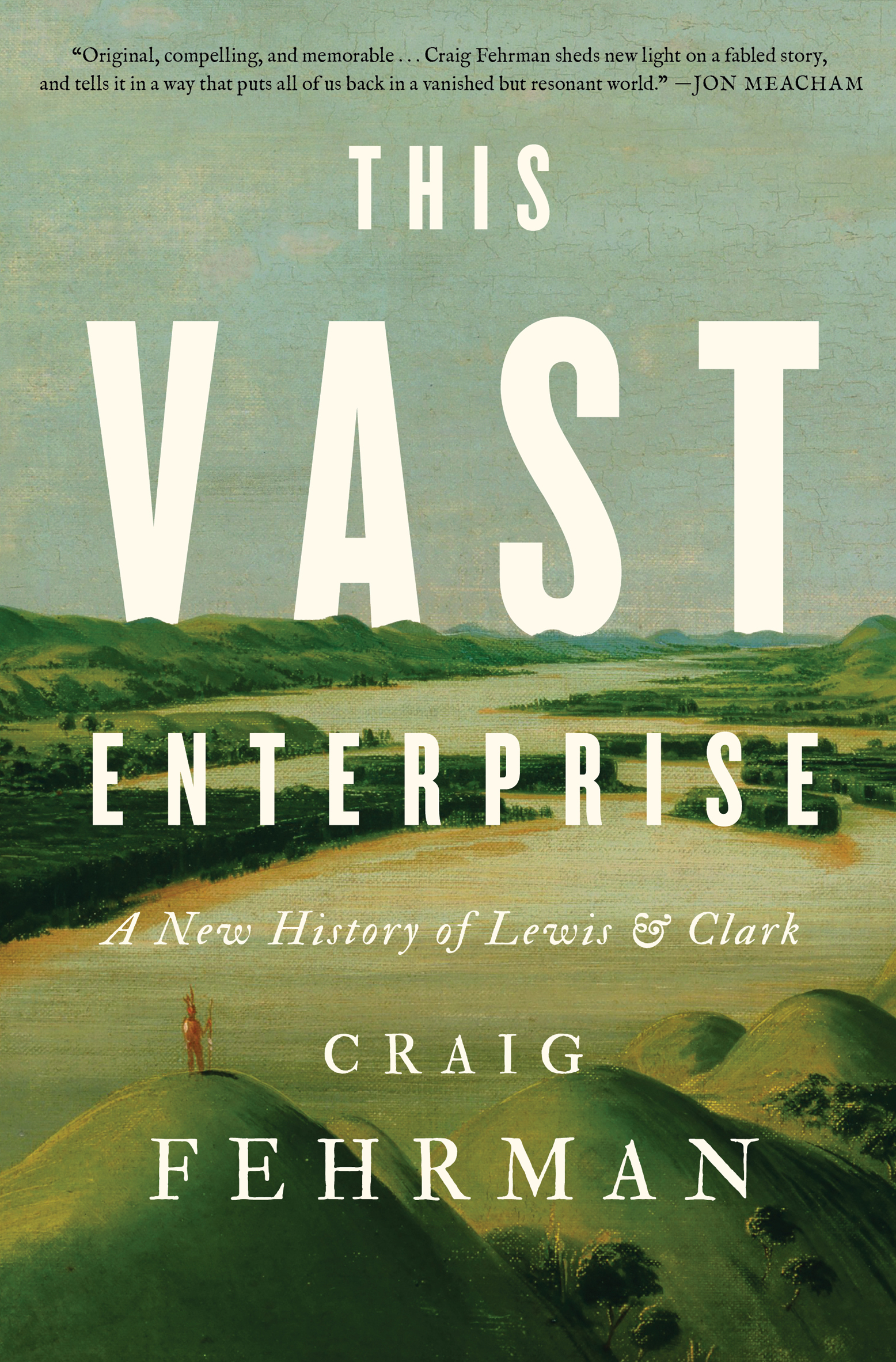
This Vast Enterprise
Craig Fehrman · 2 highlights
"Turning these ideas into policy kept Washington and his cabinet busy, especially his new secretary of state. Jefferson was a paradoxical politician, a practical visionary. He saw the world in timelines and tools, and he was constantly refining his use of both. Still, his goal remained the same. Jefferson wanted to expand. He wanted even more land, even if it was far in the future. This land, he believed, would support independent farmers and American ideals—an agrarian republic, an agrarian empire."
"Jefferson started by inviting Spain’s diplomat, Carlos Martínez de Irujo, to the White House. This was surprising. While Jefferson and Irujo were friendly—the diplomat had helped him find a chef for his White House dinners—Madison handled most of these meetings. But Jefferson wanted to do this one himself. On December 1, Irujo arrived and found the president in a shockingly good mood. They talked briefly about New Orleans, but Jefferson seemed more interested in sharing his new idea for an expedition. The president confided in Irujo, explaining that the mission would be framed as a commercial one, for constitutional reasons, but that his real hopes—he could be honest with Irujo—were science and geography. As he talked, Jefferson grew excited, even agitated. Then he paused and asked if Spain would have any objections. Spain certainly would, Irujo said. Jefferson was trying the same trick he always saw in others—emphasizing the Enlightenment to deflect from the colonizing. The diplomat didn’t buy it. After leaving the White House, he sent a report to Madrid. “The president,” he wrote, “has been all his life a man of letters, very speculative and a lover of glory.” But Irujo sensed a different motive. The expedition, he believed, was a step “by which the Americans may someday extend their population.”"