Risk Reallocation as Competitive Moat
Books Teaching This Pattern
Evidence
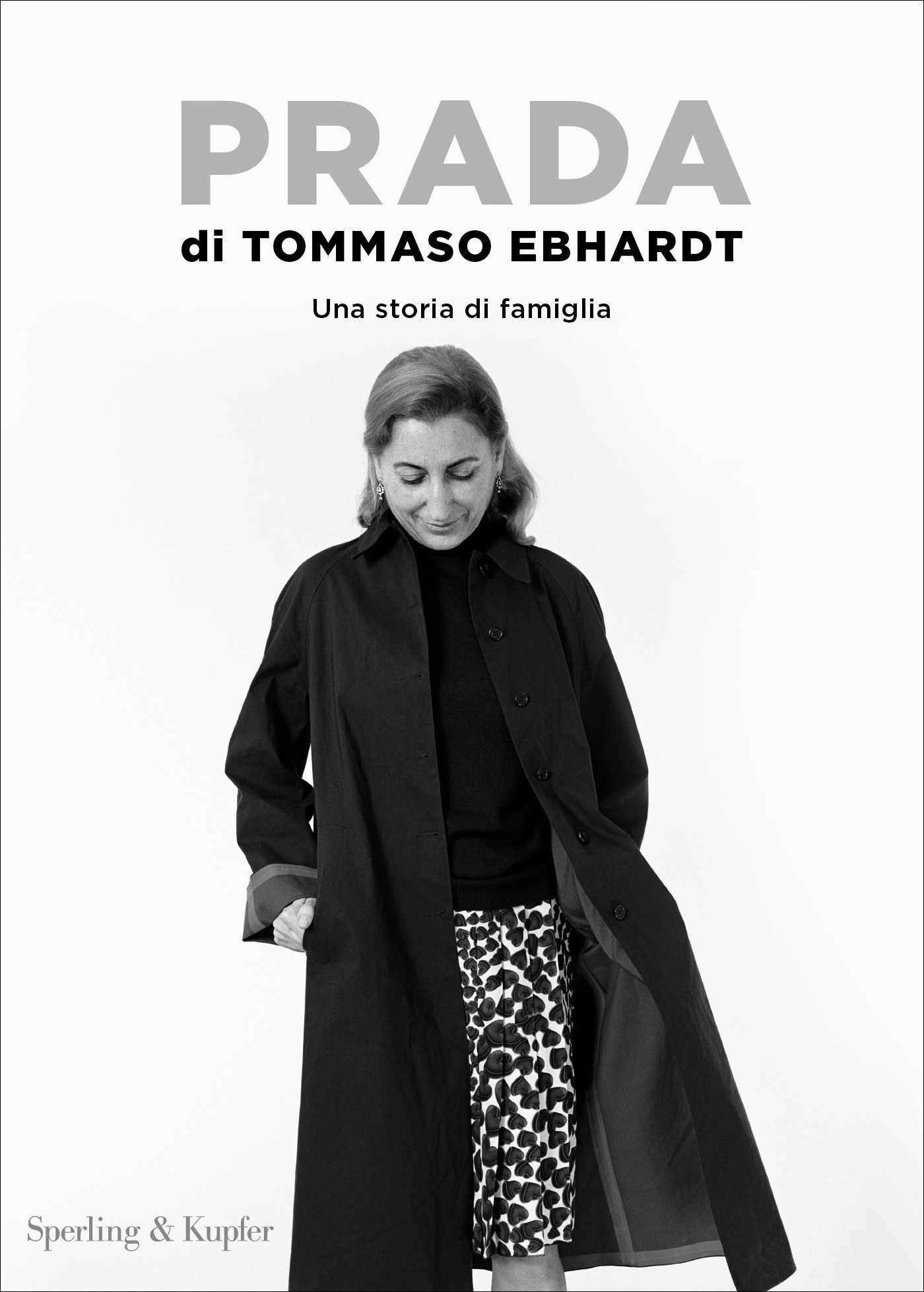
Prada: A Family Story (translated)
Tommaso Ebhardt · 3 highlights
"She has dismantled the prevailing aesthetic standards in the world of fashion, introduced disturbing concepts, uprooted clichés, created a new stylistic language for emancipated, free women, transformed an industrial material into a cult object, captured the spirit of the times and put it on the catwalk."
"She has dismantled the prevailing aesthetic standards in the world of fashion, introduced disturbing concepts, uprooted clichés, created a new stylistic language for emancipated, free women, transformed an industrial material into a cult object, captured the spirit of the times and put it on the catwalk."
"Prada enters the fashion world as a true outsider."

"For all of Adi Dassler’s disdain, clothing promptly made up nearly half of Adidas sales in Germany. The explosion occurred at a time when the distinction between leisure and sports clothing was be- coming increasingly blurred. There was such huge demand for Adidas clothing that the company’s managers hardly bothered to take orders; the retailers would have accepted almost anything. Unencumbered by his father’s hang-ups, Horst eagerly delved into the clothing market. Just like their neighbors in Germany, the French managers sold millions of three-striped shorts and tracksuits. But this was merely the skeleton of a bustling apparel business that beat the German equivalent many times over. The French clothing operation owed its edge largely to Ventex, a former supplier that Adidas France had gobbled up. Previ- ously owned by a chemical company, the Ventex laboratory soon became the envy of the industry. “When German managers asked to be shown around at Ventex,” said Jean Wendling, then textile manager at Adidas France, “I made sure that the lab remained tightly sealed.”"
"Oblivious to the business aspects of Adidas, Adolf continued to walk around with his notepad and to tinker in his workshop. The obsession that drove him perpetually to seek improvements for his shoes never appeared to fade. Over fives decades he regis- tered nearly seven hundred patents to his name, ranging from the screw-in studs to minute inventions that would stir only the most fanatical shoe buffs."
The Match King
Frank Partnoy · 1 highlights
"Ivar tapped into the new funds available there to finance construction projects throughout Europe. He developed superior technology and methods of engineering design, as well as novel contractual features. In particular, he was willing to change the standard terms of construction contracts to reallocate risks to him. His appetite for risk was unique among men in the construction industry. For example, from his experience at Fuller Construction in New York, Ivar knew how frustrated builders became when there were lengthy delays. Construction firms had not been willing to take on the risk associated with delays; instead, they put that risk on their clients. But Ivar understood a fundamental proposition about the allocation of risk: both parties to a deal can gain when the party in the best position to bear a risk takes on that risk. Construction firms, not clients, were in the best position to reduce delays. Therefore, as Ivar realized, the best way to minimize construction delays was to shift the risk of loss that arose from such delays to him and Paul Toll. Then, Kreuger & Toll would have the incentive - and, crucially, the ability - to speed up a project. And here was the punchline: clients would pay more if they knew the job would be done on time. Kreuger & Toll became the first firm in Europe to commit to finish projects by a fixed date.9 After completing some small projects, building some beams and a viaduct, Ivar secured a deal to build a six-story “skyscraper.” He promised that if construction wasn’t finished by a particular date, he would give the client a partial refund of 1,200 dollars for each late day."