Risk-Reward Arbitrage via Exit Clauses
Books Teaching This Pattern
Evidence
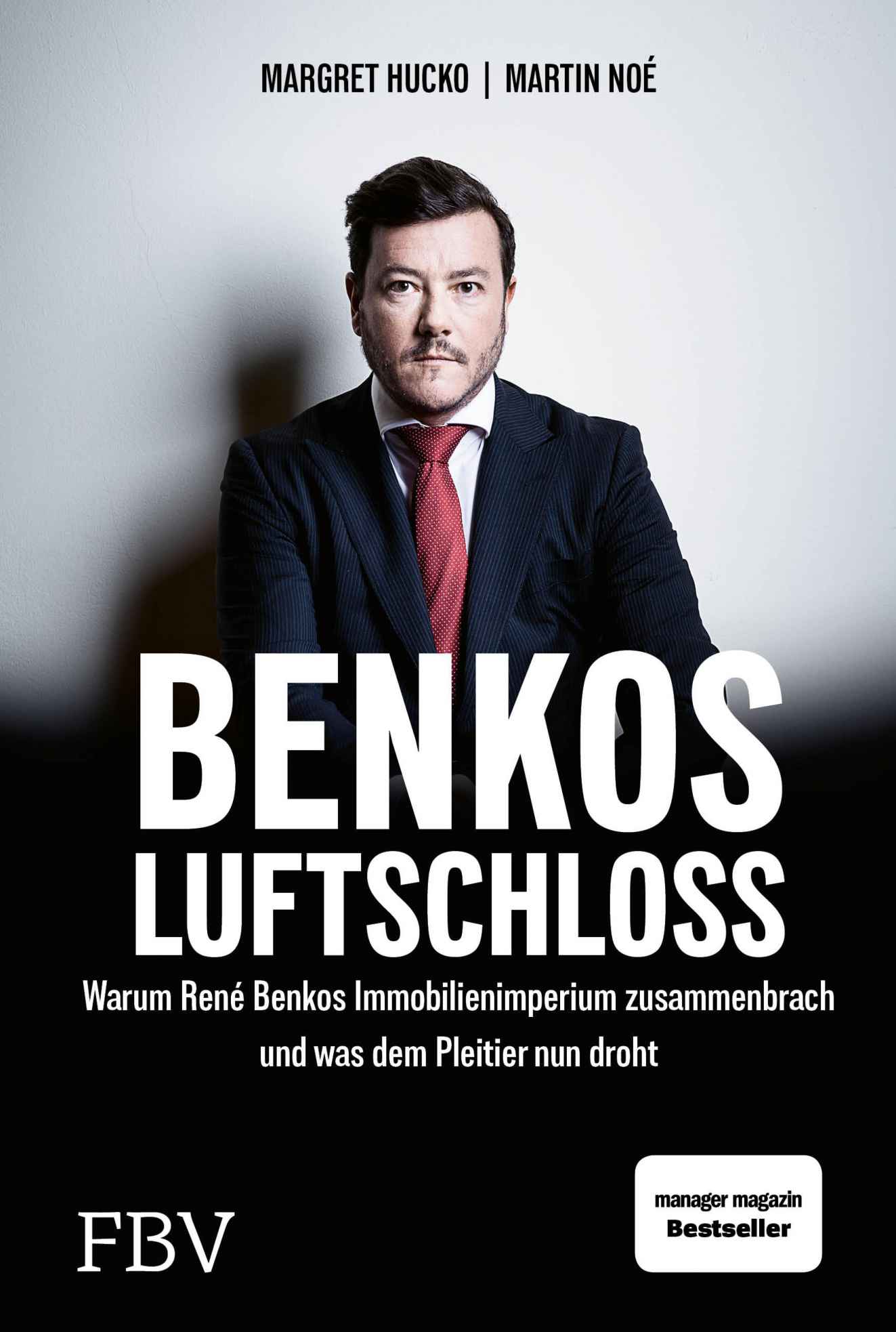
Benko's castle in the sky (translated)
Margret Hucko & Martin Noé · 3 highlights
"Most of the shareholders did not have Benko's private foundation as a contracting partner, but the holding company. Roland Berger, who had invested in low percentages in the Signa companies Prime, Development, and Retail, managed to partially exit. Apparently, he pressed for payment from Benko early on and exchanged about half of his Prime shares for money. Berger benefited from the high market value of the shares, which had multiplied since his entry. However, at the end of the day, Berger will likely exit his Signa investment with a small double-digit million loss, Torsten Toeller will lose a triple-digit million amount, and in the fiscal year 2023, he will write off a book value of 196 million euros, which can be read in the annual financial statement of "Fressnapf" Luxembourg."
"But why did Benko make such unusual, legally borderline promises to his financiers that he would buy back their shares? And at the increased price due to the appreciation of the properties, not at the lower entry price? The answer is simple: Without the so-called put options he offered, Benko would have found much fewer investors. Roland Berger, at any rate, today answers the question of whether he would have given Benko money without a contractual exit clause with a clear and succinct no. The business economist and early warning signal, Professor Leonhard Dobusch from Innsbruck, says: "I believe the investors knew exactly how risky the business was and that it was a bubble. But they thought they could get out in time. For this, Benko gave them the put options.""
"Benko's gold rush in concrete has, in addition to macroeconomic reasons, very specific ones as well. A long-standing senior executive at Signa lists three arguments for investors: Benko paid up to 6 percent dividends each year, whereas real estate usually only yields 2 to 3 percent. The shares increased in value year after year. Moreover, Benko concluded secret deals with individual financiers like Roland Berger, Klaus-Michael Kühne, or Torsten Toeller. He gave them the option to exit and return their shares if they wanted to. This made the shares fungible, as if investing in stocks – very unusual in the real estate business, which is typically long-term and therefore requires long-term capital planning."