Samurai Storytelling to Rally Capital
Books Teaching This Pattern
Evidence
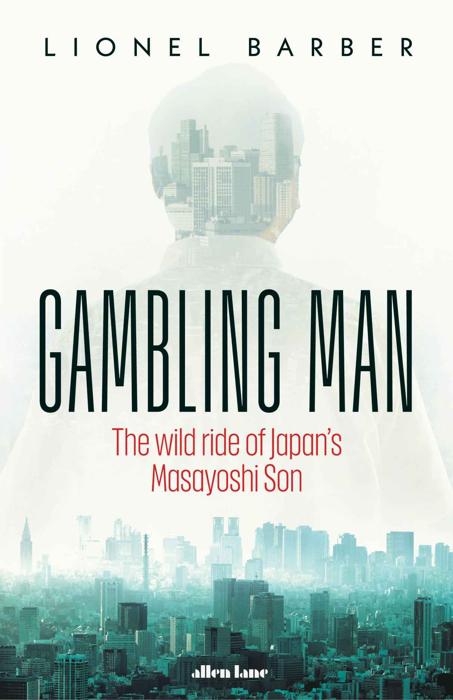
Gambling Man
Lionel Barber · 3 highlights
"SoftBank’s CEO and founder was drawn irresistibly to historical analogies. He often compared himself to the nineteenth-century samurai warrior and reformer Ryoma Sakamoto, whose rebellion swept away the old feudal order in Japan, paving the way for the restoration of the Emperor’s authority in 1868. In the decades that followed, Japan rapidly modernized, spawning thousands of new businesses and spurring its ascent as the leading economic power in Asia. Masa’s internet evangelism was, however, more than about making Japan great again; it was a bid to revive animal spirits in a Japanese economy still semi-comatose after the collapse of the real-estate bubble."
"‘In the US, 99% of [internet] companies receive VC [venture capital] funding. That’s money you don’t have to pay back, even if your company failed,’ Masa intoned. ‘There are many entrepreneurs [in the US] who failed with four companies but on their fifth time managed to go public on Nasdaq and become a billionaire. I want you to keep challenging yourself.’ But, he added, people should still follow the rules.[5](private://read/01jg9b8njt7zc5haz30afb9n29/#pro_5)"
"It was a humiliating reverse – one that for most people would be crushing. For Masa it was simply one more twist in the roller-coaster pattern of failure and success that has characterized his tumultuous life. In the decades after the dot-com crash the diminutive SoftBank boss reinvented himself. He became the twenty-first century’s ultimate conjurer of capital, masterminding a new-age, transnational tech-and-finance empire that still touches many of the most dynamic parts of the world economy. Through will-power and guts Masa turned into a figure who embodies a gilded age of tech-utopianism, benign globalization and borderless finance."