Stakeholder Alignment Through Personal Skin
Books Teaching This Pattern
Evidence
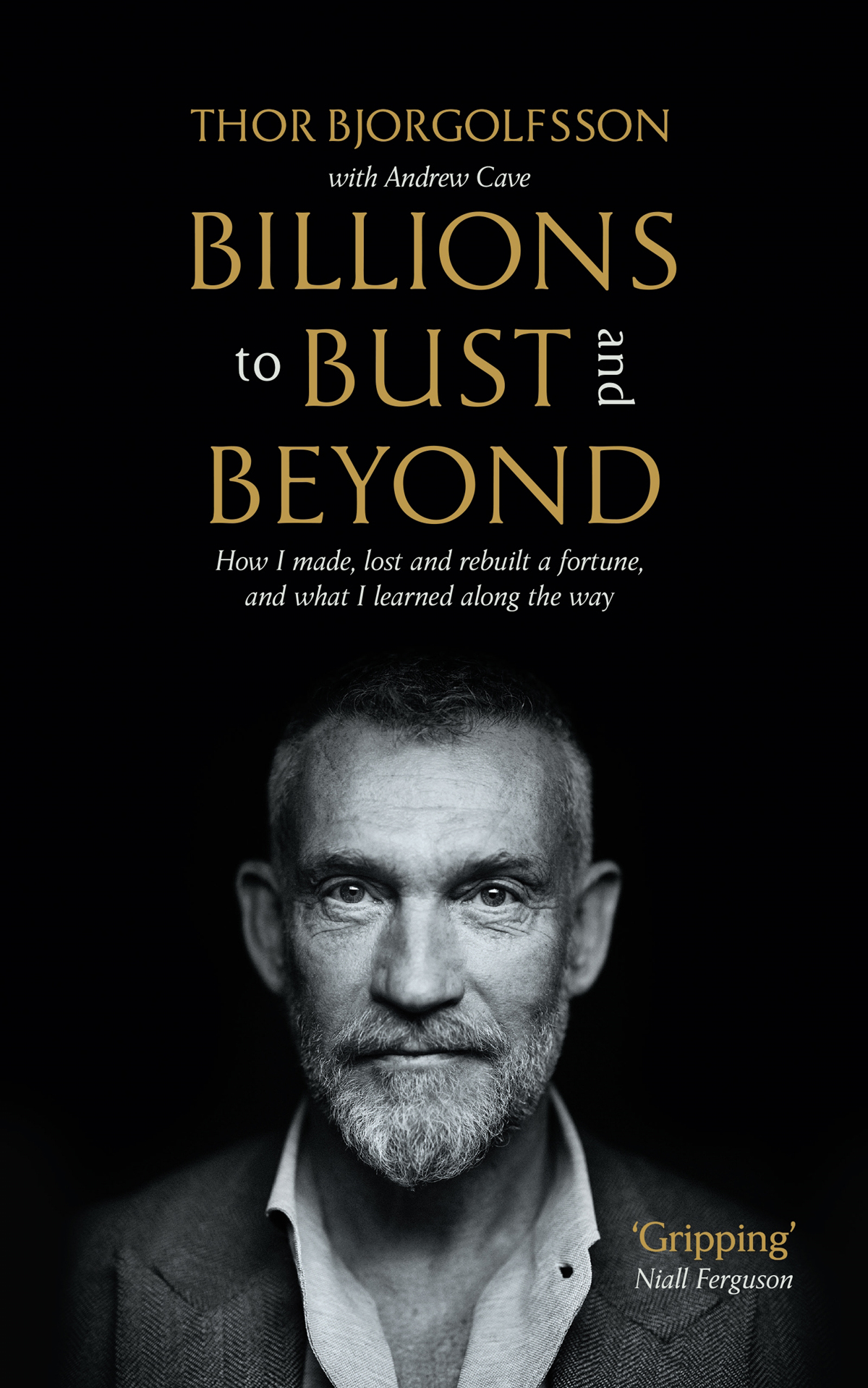
Billions to Bust – And Beyond
Thor Bjorgolfsson · 2 highlights
"I took my chances and lost. I am not ashamed of that. I am also far from alone in the fallout of 2008. In private equity deals, what often happens is that managers are offered a share of the profits but are required to plough some of their savings into the deal as well. If people are willing to do that, they are genuinely aligned. That works well in the private equity model but somehow it is absent in the way the banks work. There was, however, one exception: a bank where employees were encouraged to put their bonuses into the company’s stock. This bank enjoyed the highest employee ownership ratio of any of the investment banks and the fortunes of its staff were directly linked to the risk decisions they took. Unfortunately for those employees, its name was Lehman Brothers."
"I needed to put more money into the business, by far one of the biggest companies in Iceland, so that it wouldn’t be taken over by Deutsche Bank. We had assets enough, and were working on selling them, but for the time being we had liquidity problems, so I borrowed €150 million from Landsbanki in March 2008 to rescue Actavis and fund salaries. This is what I was most criticised for in Iceland after the crash. ‘How could you borrow this in September 2008?’ my detractors cried. But I had started the process in March, borrowing in monthly instalments, with the last and largest payment coming in September. I gave a personal guarantee against the borrowings and, most importantly, that guarantee involved me pledging my holdings in Play, the Polish telecoms company, which was my most valuable and debt-free asset. Even so, the loan proved insufficient to get Actavis back on track and we were still busy scuttling around when the financial crash struck."