Brand Building by Community & Humor
Books Teaching This Pattern
Evidence
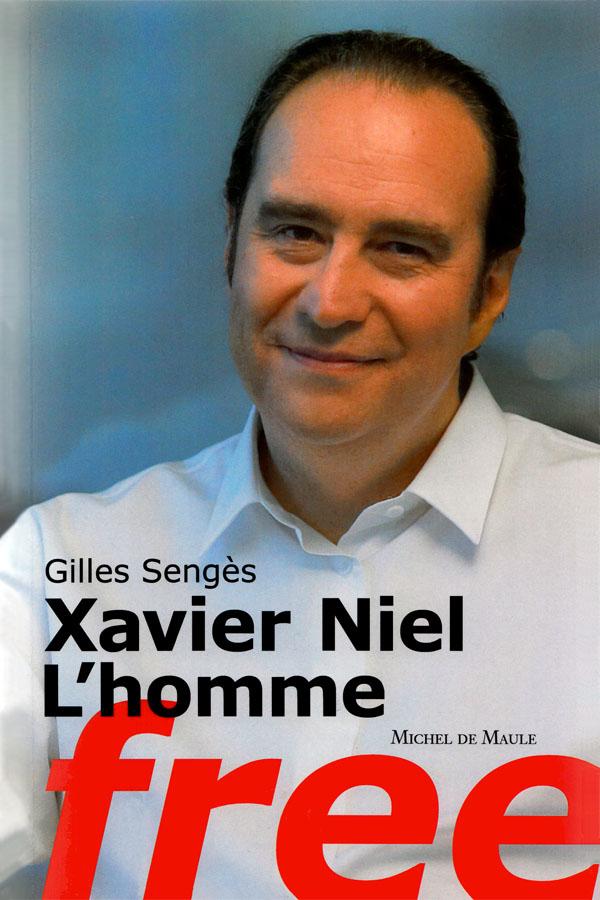
Xavier Niel, the free man (translated)
Sengès Gilles · 2 highlights
"The story of Free, the internet service provider (ISP) launched in the first months of 1999, is one of technological adventure, but also of an incredible bond created with its subscribers who will accompany it throughout its development. Self-named "Freenautes," and organized into a community via the Association of Free Users (ADUF), these users behave like a true fan club, commenting on every initiative of the operator on dedicated sites such as Univers Freebox, Freenews, etc. This represents significant savings for the group's advertising budget. The first offer put on the market shines with its simplicity. There is no subscription. The user pays the telephone communication related to the duration of their connection at the local internet rate of France Telecom, which then reverses approximately 98% of the revenue generated back to Free. The word "free" is permanently etched in the public's mind on this occasion."
"Its strength lies in its ability to maintain a very simple model. With just one offering while other players in the sector promote very complex offers with bloated teams to manage them. " To add insult to injury, Iliad does not miss a chance to poke fun at the competition through humorous advertising campaigns. After the slogan "What's good about it being free is that we don't have to pay!" which accompanied the arrival of Free. fr, the Crétin. fr advertising campaign designed in 2002 by Publicis Dialog for the Freebox does not fail to leave the audience laughing on the side of the newcomer. An imaginary access provider is portrayed where it is not pleasant to be a subscriber with customers entangled in cables, limited services and collections of bills. . . and, as the final gimmick "cretin. fr, try it, or else with Free. . . ". No need to be an insider to understand the message."