Culture as Competitive Multiplier
Books Teaching This Pattern
Evidence
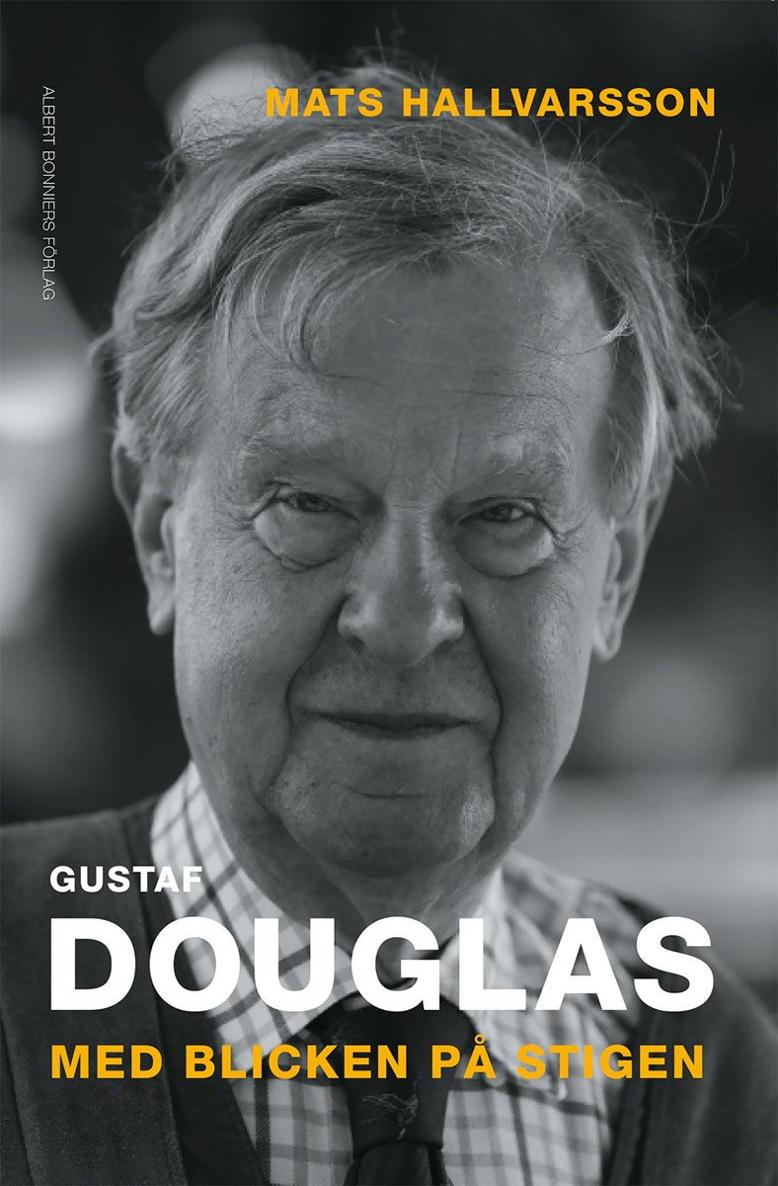
With eyes on the path (translated)
Gustaf Douglas · 3 highlights
"What distinguishes these leaders, among other things, is an almost supernatural ability to understand and develop the culture that exists in a company. They listen to it and become catalysts. As owners, it is important to capture those who have this catalytic ability. They are unique in being able to unleash the creative in the company and create confidence. It is difficult to move forward if many employees worry about not being on board. These leaders know that self-esteem, being seen, and feeling needed are powerful human drives and cornerstones in the culture that require respect and understanding from everyone all the way up to the owners. I always see strong culture in companies that are doing well. In Securitas, it existed even before the successes came, but it was somewhat sidelined in the security guards. Melker Schörling's crucial contribution was that as CEO he unleashed this culture, aligned the organization with the culture, and made people grow. It became a company where people talked about values and principles. When the company's management fixed and highlighted them, conditions for rapid growth were created. In this belief in people, Latour's employees grow, and so do I."
"Long-distance runners must pay more attention to culture, this vague concept so cherished in management literature. What it involves is shaping people's behavior in organizations towards constant product renewal, increased productivity, frugality, and a culture of continual improvements in humble work for customers. It is my experience that this pattern of behavior works best in flat organizations where responsibility is decentralized and as close to customers as possible. The smallest possible number of levels means that communication runs faster and becomes less distorted on the journey up and down the hierarchy."
"We consider board work as the platform for value creation in both our branches. Regardless of ownership shares, we apply a structured approach to board work, acquisition, and integration processes, where I believe we maintain a high standard. We put a great deal of effort into achieving the best possible leadership in companies, an absolutely central role in ownership governance to which I have dedicated much time. In the important chain of command owner-board-leadership, the corporate culture is built together with the staff, which in my opinion becomes decisive for success or not. In short, our core values are about long-term perspective, business acumen, and development where leaders should act with integrity, strive to be role models, and take responsibility for results and people's joy in their work."