Principal Owner as Board Chairman
Books Teaching This Pattern
Evidence
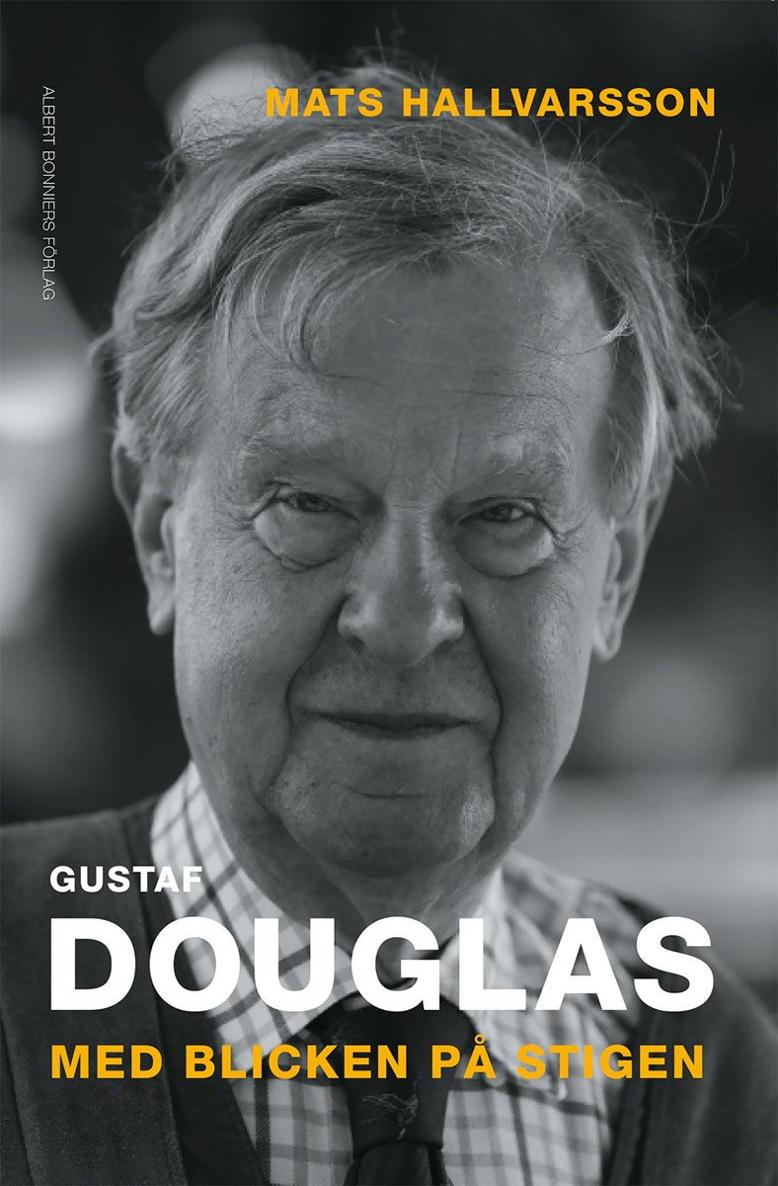
With eyes on the path (translated)
Gustaf Douglas · 3 highlights
"The years have taught me what constitutes a good board and good board work. With few exceptions, a principal owner should be the chairman in the companies he or she owns. It is, so to speak, the physical and mental manifestation of the ultimate responsibility - "the buck stops here," as the Americans say. It is also the expression of an active and lively interest in how the company is managed. Leading board work with competent members encourages one to strive to be really proficient in all relevant issues and to be able to match more specialized members. In the case of many owned companies, one must rely on non-owner chairmen, who can advantageously be sought within one's own sphere, trusting that they are familiar with the ownership philosophy and have the time and benefit of such a demanding assignment. At Latour, it is natural that our CEO Jan Svensson is the chairman in most of our wholly-owned companies."
"We consider board work as the platform for value creation in both our branches. Regardless of ownership shares, we apply a structured approach to board work, acquisition, and integration processes, where I believe we maintain a high standard. We put a great deal of effort into achieving the best possible leadership in companies, an absolutely central role in ownership governance to which I have dedicated much time. In the important chain of command owner-board-leadership, the corporate culture is built together with the staff, which in my opinion becomes decisive for success or not. In short, our core values are about long-term perspective, business acumen, and development where leaders should act with integrity, strive to be role models, and take responsibility for results and people's joy in their work."
"Board assignments should be time-limited without an exact end date. I have claimed in various contexts, including in books on board work, that six years can be appropriate; a shorter time is not possible since it takes a while to get to know the company. No longer time either. If you haven't gotten the caviar out of the tube in six years, you won't get it out in the next six years either. However, I understand the argument that the world is changing faster, which means significant flexibility in the periodicity of members may be needed. I must admit that I have violated these guidelines several times, in some cases with motives accepted by rather wise people and actually not only related to the voting value of my shareholding. The important thing here is that all members must understand that their days are numbered and that it is the nomination committee and the general meeting that decides."