Raw Silk Era Export Dependency
Books Teaching This Pattern
Evidence
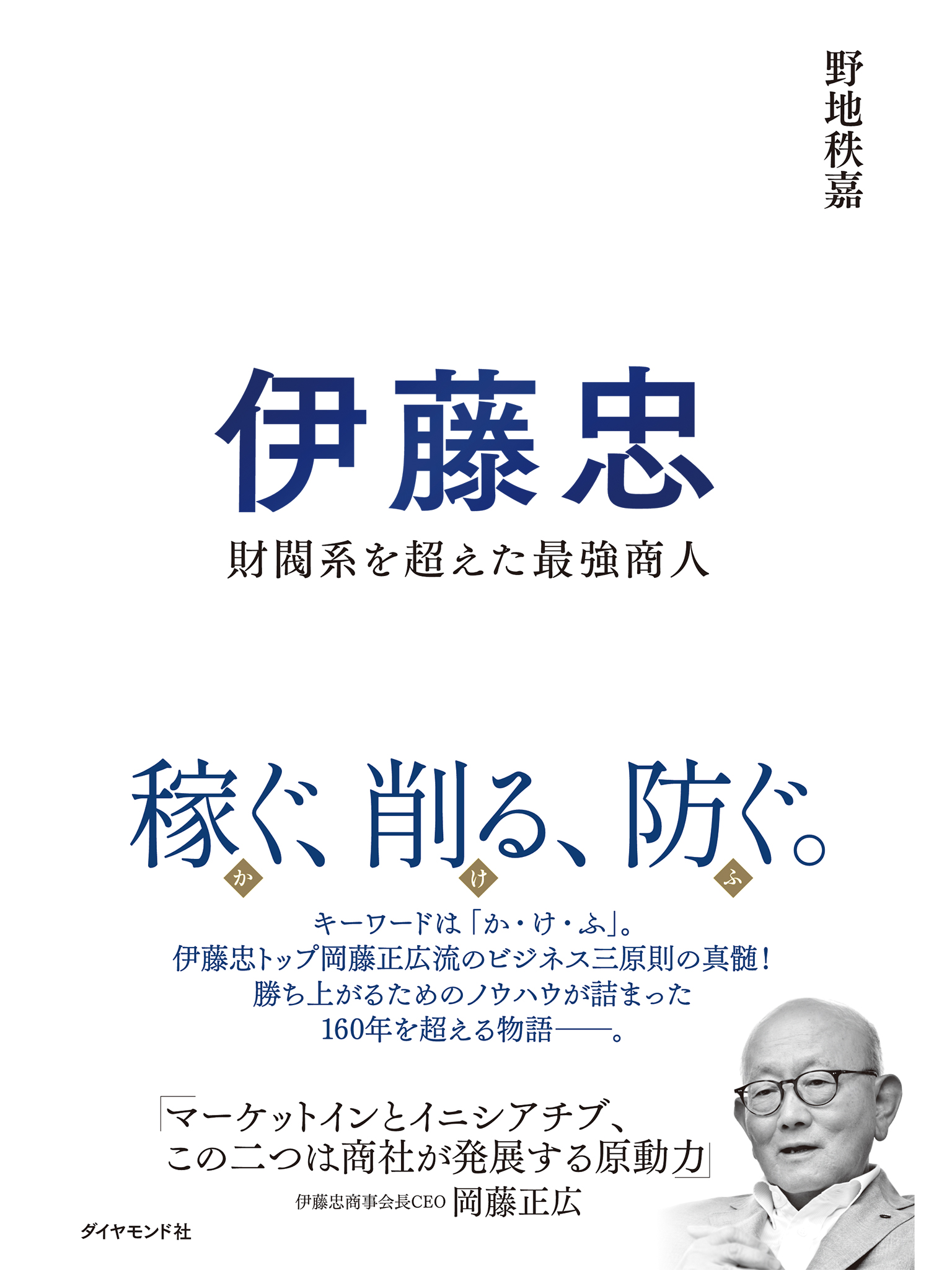
Itochu - The Strongest Merchant Beyond the Zaibatsu Corporations
野地秩嘉 · 2 highlights
"Looking at Japan’s trade at the end of the Edo period and the Meiji Restoration: 79.4% of exports were raw silk. Next were tea (10.5%) and silkworm-egg paper (4.0%). Silkworm-egg paper was paper onto which silkworms had laid eggs, exported in response to Europe’s demand for healthy silkworms. On the other hand, imports were woolen textiles (40.3%), cotton textiles (33.5%), weapons (7.0%), ships (6.3%), and cotton yarn (5.8%). (Reference: “Study of Late-Edo Trade History” by Takashi Ishii, Nihon Hyoronsha)"
"At that time, Japan earned money by exporting raw silk, and used that money to import textiles, machinery, and weapons. The only Japanese products that had global competitiveness were raw silk, tea, and silkworm-egg paper."