Ride the Living Room Revolution
Books Teaching This Pattern
Evidence
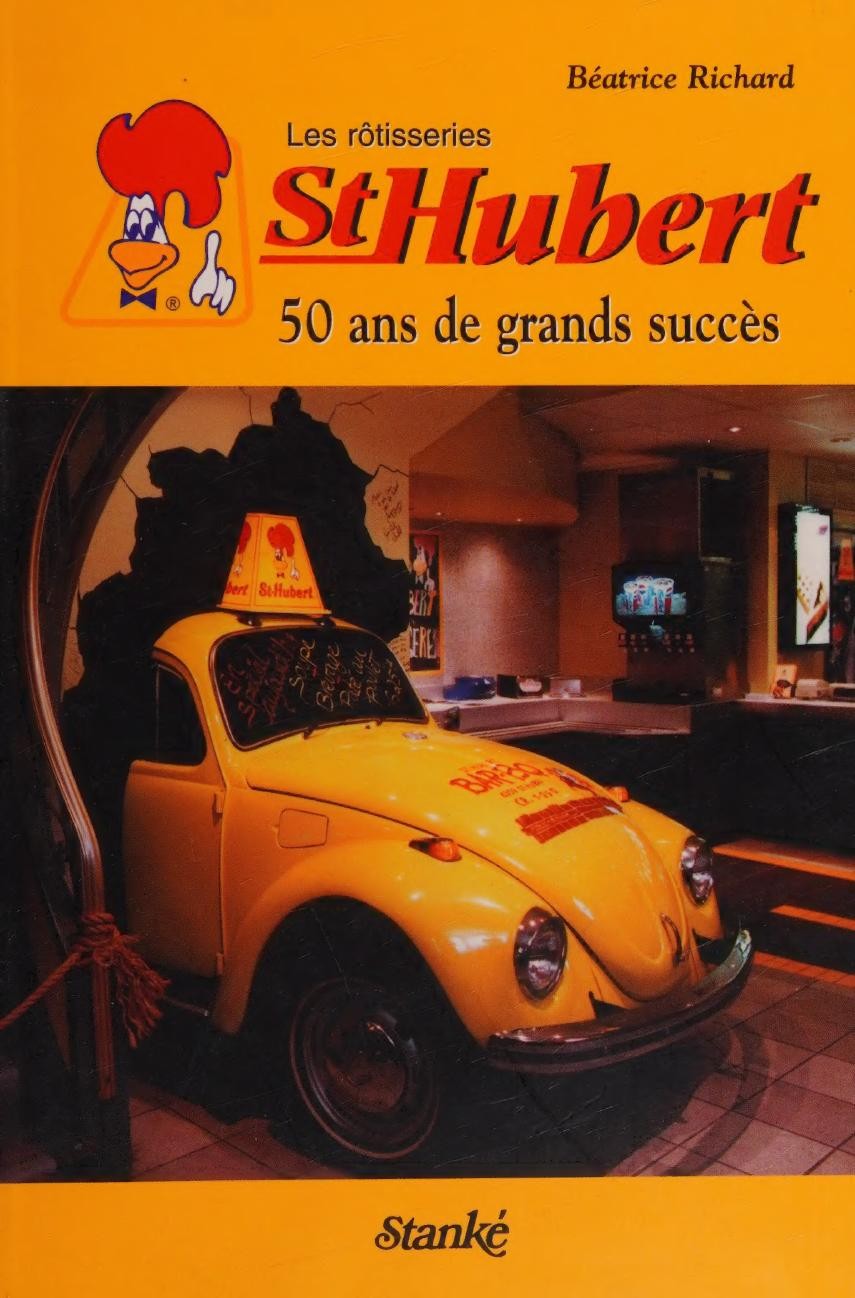
St Hubert: 50 Years of Great Success
Beatrice Richard · 3 highlights
"But the tables turn. While the competition mocks their unusual management, the Légers, who don’t care, take the experiment even further. A technological innovation is starting to invade homes: television. Every evening, more and more families gather around the small screen. René immediately grasps the significance of the phenomenon. If radio increases sales, what about the cathode-ray screen, which captures the public’s attention at the strategic supper hour? Making his service known through this channel… now that promises some busy evenings! Firm in these convictions, René goes to the prestigious channel 2 of Radio-Canada to buy some airtime. The head of advertising, wide-eyed, politely but somewhat bored, explains to him: • - Restaurants don’t advertise on television, sir. It’s too small. The effect won’t last, maybe two or three months at most. René insists. He wants a televised commercial. His interlocutor grows impatient. • - In any case, Radio-Canada does not create advertising messages, you need to contact specialized firms. • - Give me the name of one of them, I’ll manage just fine. • - But that would be against the regulations…"
"In fact, Coq St-Hubert benefits in its own way from the popularity of “Rocket” Maurice Richard. On Saturdays, the advertisement airs immediately after the Canadiens’ games, precisely at 10:28 p.m. At the rotisserie, as soon as the announcement of the final score appears on screen, the phone rings off the hook. That night, the three deliverymen are not enough for the job. Extra deliverymen are then hired. A little before the end of the game, they line up in their cars behind the rotisserie. Sometimes more than fifty, they fill the alley up to the next street corner. At 50 cents per order, each driver delivers three to five orders per trip and may complete up to five runs in an evening. This type of pay quickly earns these drivers the nickname “fifty cents” in everyday language."
"René remains unshakable. Out of sheer exhaustion, they eventually discreetly advise him of two or three agencies. Not long after, a new “star” appears on the small screen: the St-Hubert rooster! Faced with René’s persistence, the broadcaster finally gave in, thus creating a precedent. And what a precedent! His client’s advertising campaign literally bursts onto the screen. “My God! Twelve at the table!” exclaims Juliette Béliveau, who quickly calls St-Hubert Bar-B-Q for help. This good Quebec mother who worries about feeding her brood well instantly becomes a legend. The image hits home. And for good reason. The Légers target the mother of the family, the one who holds the purse strings… and would love to untie those of her apron from time to time. St-Hubert chicken asserts itself not only as the ally of the overwhelmed housewife, but also as the symbol of conviviality, a very strong value in French-Canadian society."