Seating Diplomacy as Silent Service
Books Teaching This Pattern
Evidence
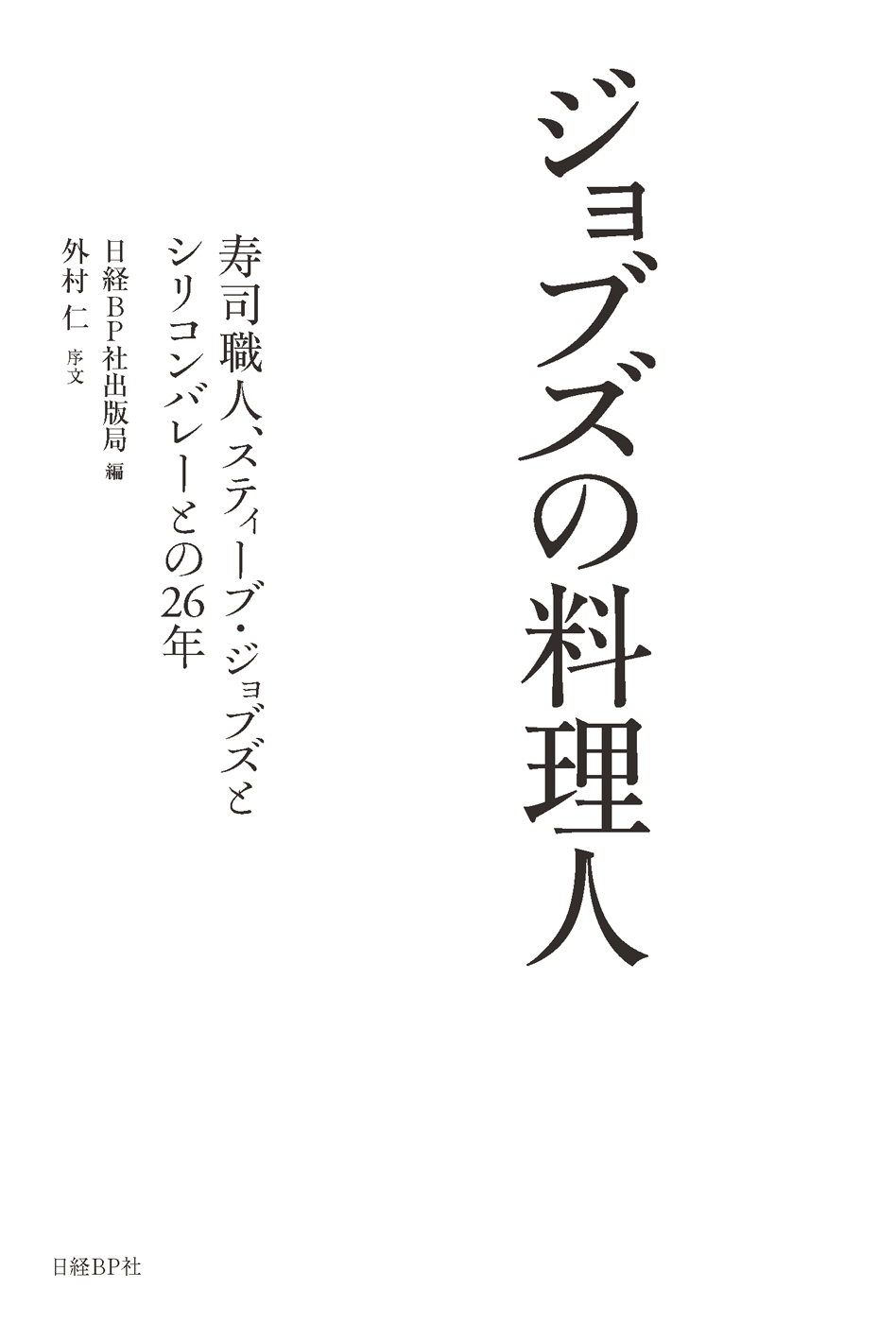
Steve Jobs' Chef (translated)
Edited by Nikkei Business Publications · 3 highlights
"Venture capitalists who were regulars at lunchtime disliked sitting next to colleagues or rivals. At Keigetsu, reservations were taken with care to avoid such “near misses” as much as possible, but it didn’t always work out as hoped. In that regard, a hotel with a large dining area had a lower risk of such encounters."
"There are probably many things they don’t want fellow industry people or even colleagues to hear. Customers would look at the other patrons when they entered the store and often said, “Please seat us away from that table,” or “I’ll pass today,” and turn back. So, a lot of attention was paid to the seating arrangements."
"kaiseki cuisine, many customers came seeking sushi. On the other hand, Reid always ordered the kaiseki course. His favorite was Table No. 11, located right behind the reception immediately to the right of the entrance. This table was somewhat removed from other seats and had slightly more space. For the well-built Reid, it was a perfect table, and the fact that private conversations were less likely to be overheard might have been another reason he liked it. There is another reason why Reid is considered a “good customer.” With pre-set kaiseki menus, American customers often say “I can’t eat this ingredient” or “Can you substitute this with something else?” However, Reid had no likes or dislikes and always ate everything neatly, saying, “It was delicious.”"