Small Profits Stacked Where Giants Won't Stoop
Books Teaching This Pattern
Evidence
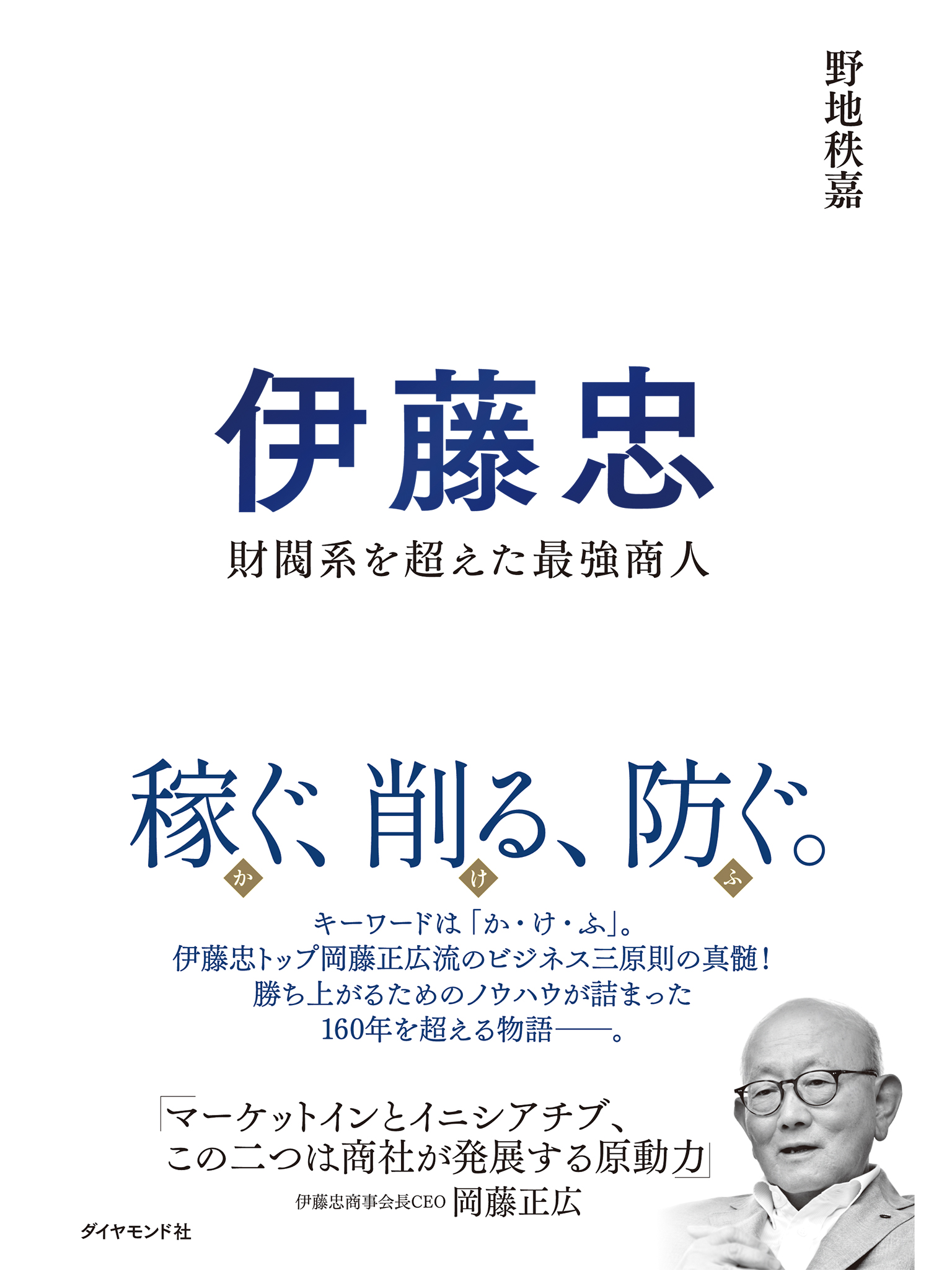
Itochu - The Strongest Merchant Beyond the Zaibatsu Corporations
野地秩嘉 · 3 highlights
"For Mitsubishi Corporation and Mitsui & Co., importing natural gas, oil, coal, and iron ore and supplying them to steel and power companies has been a major pillar of their profits. On the other hand, since Itochu was originally a “textile trading company,” it could not rely on resources as a major source of profit. For this reason, it had to go around businesses in non-resource fields such as textiles and food, and make do by steadily generating small profits. They have honed their wisdom to gather small profits. That is why, with changing circumstances, they leaped to the top. They adapted to an era in which resource prices fluctuated wildly and the presence of heavy and large-scale industries declined."
"In any industry, it is not only extremely difficult, but almost impossible in practice, to stop the profitable business from past to present and shift to an unknown new business. Of course, Itochu also has a track record in resources and machinery. But the company grew big mainly through the painstaking, small-scale businesses of textiles and food. That’s why it was good."
"After becoming number one in non-resources, Itochu was called one of the two powerhouses and finally boldly declared, “As a trading company, let’s aim for the triple crown: number one in net profit, stock price, and market capitalization.”"