Tacit Knowledge as Accidental Export
Books Teaching This Pattern
Evidence
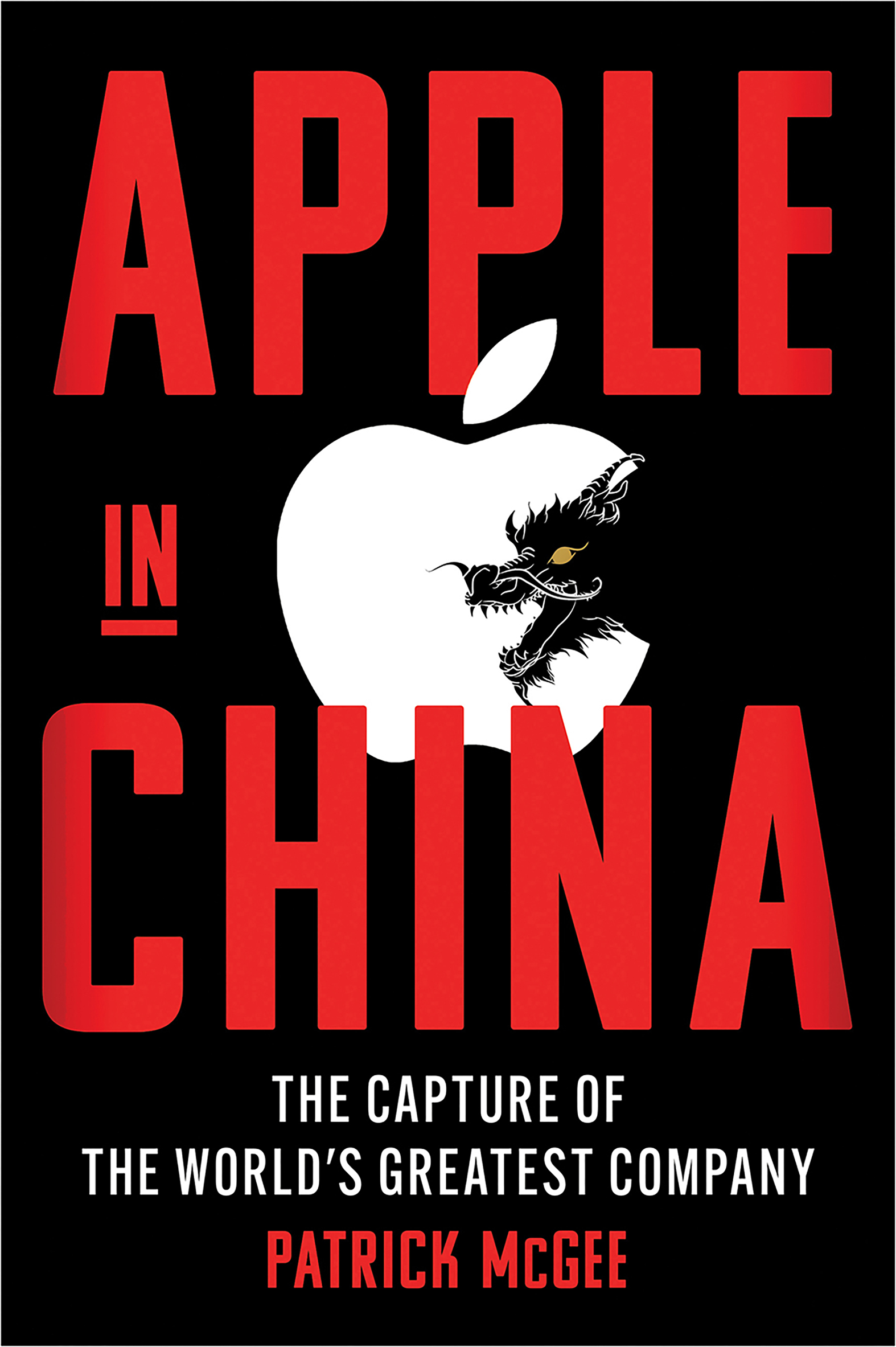
Apple in China
Patrick McGee · 3 highlights
"Apple wasn’t just creating millions of jobs in the country; it supported entire industries by facilitating an epic transfer of “tacit knowledge”—hard-to-define but practical know-how “in the art of making things, in organizing practical matters, and in the way people produce, distribute, travel, communicate, and consume,” as the China-born Federal Reserve economist Yi Wen defines"
"And it wasn’t just a transfer of knowledge from America to China. Apple had a specific team of Subject Matter Experts, whose job was to research new processes, new materials, new tools, and new machines. “If the current machines, the current technologies in Asia, were not enough for what we were looking for, the SME team would go to Europe or Japan to search for new technologies,” says a former manufacturing design engineer. “They’d try to find new technologies, new labs, new research facilities, whatever—and if they could find it, they’d try to transfer that to China and make in China what we couldn’t do with the current technology.” This person adds: “This happened every year when we had to launch a new product. Because every year we were pushing the envelope and we’d need something new… Apple identified a lot of technology, for example, in the watch industry and jewelry industry in Switzerland, Germany, and Austria, and they’d go to those places, find these special machines—these special technologies for very refined high-end products—and try to adapt those machines into making an iPhone or iPad or Mac.”"
". Even if things go smoothly, China’s economy is likely to overtake America’s as the world’s largest, which will surely prompt more people to ask: *How did they do it? How did China advance so quickly, particularly in such complex areas as advanced electronics?* Some portion of the disquieting answer is that Apple taught them. Year in, year out, Apple took the most cutting-edge designs, processes, and technical understandings from around the world and scaled them in China. One supply chain expert even adopts the language of a crime scene as he considers the whodunit at the heart of China’s advances in electronics. Look around, he says, “There’s Apple DNA everywhere.”"