Thirteen-Hour Meeting as Onboarding Ritual
Books Teaching This Pattern
Evidence
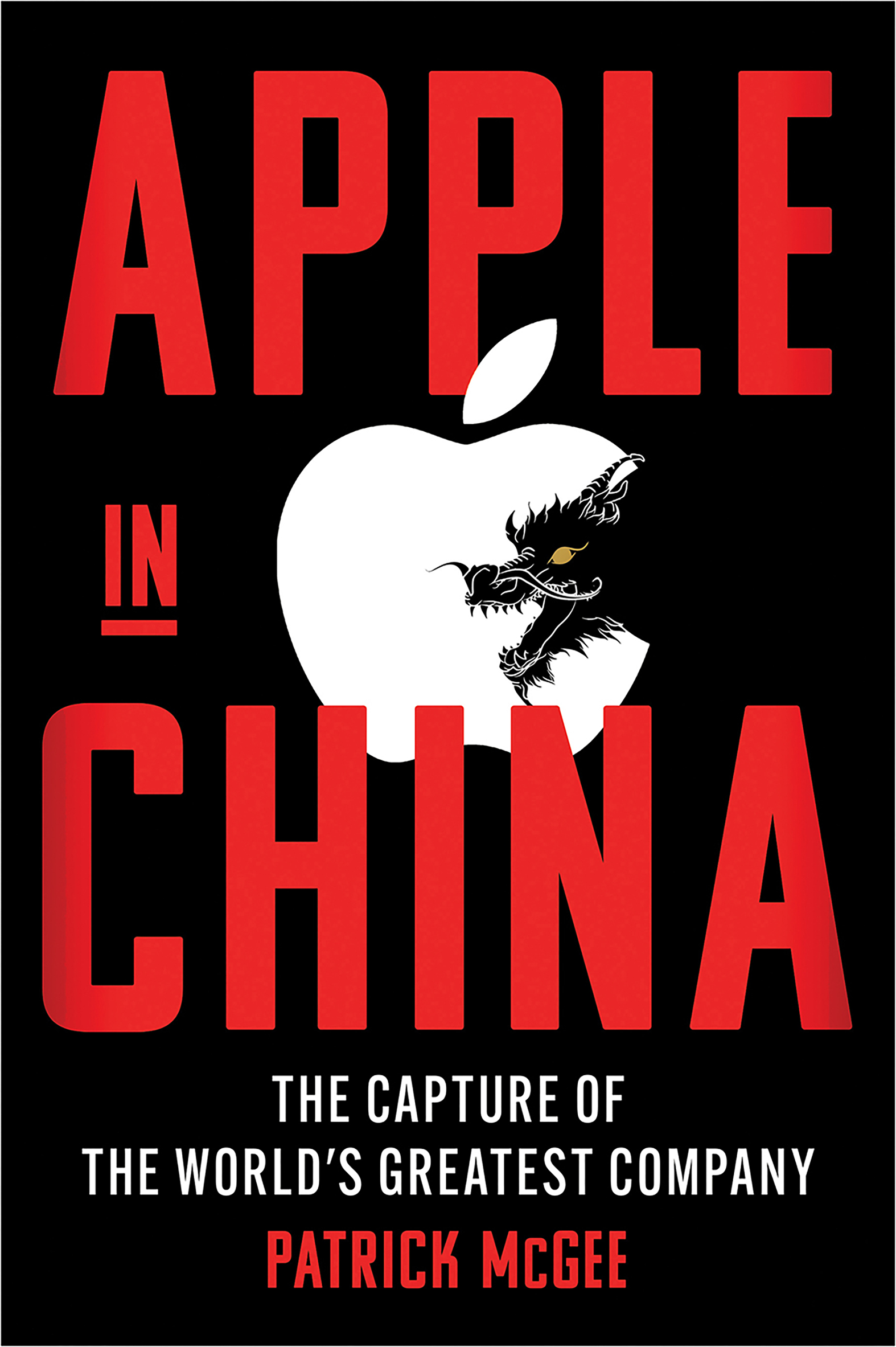
Apple in China
Patrick McGee · 3 highlights
"Cook established exceedingly high expectations the first time he held an operations meeting of worldwide managers. In the weekly review, attendees went over what had gone wrong in the prior days, what needed to be fixed immediately, and what was coming up. These meetings were typically ninety minutes; sometimes they could stretch beyond two hours. On the day Cook took over, the weekly review went nearly thirteen hours. He insisted on a granular level of understanding and demanded fluency in the intricacies of every project. If a manager one week, in a lengthy presentation, projected that their team would ship 200,050 of something by Friday, Cook would remember. So the next week, if the manager said, “Yep, we met our numbers. We did two hundred thousand,” Cook would look at them and ask, with deadly seriousness: “And fifty?”"
"By expecting precision, he was basically teaching it, instilling its importance in all of his colleagues so that his underlings would teach their underlings. As exceptional as that first thirteen-hour meeting was, the Friday meeting Cook held with top executives routinely became a four-hour review, a deep dive of spectacular detail into more than 120 pages of Excel numbers related to supply and demand across the global organization. There were so many rows and columns of numbers that the text was printed on special larger paper. Not everyone in these meetings wore glasses when Cook was hired; after a few years, they all did."
"Cook’s disdain for mediocrity was similar to that of Jobs, but it manifested itself in an entirely different way. He would persistently ask his managers for layer upon layer of information that flummoxed poor performers and exposed bullshitters. Parents know it takes only a few rounds of a toddler asking, “Why?” before their knowledge is exhausted, leading to frustration and made-up answers. Cook’s questioning was like that. He exhibited a memory and an understanding for data and planning that nobody in Cupertino had experienced before. A lower-level executive recalls Cook stopping people in the hallway ahead of a meeting to glance at their spreadsheets. Within a minute he might spot an error. “And if one number was wrong, he wouldn’t trust the whole spreadsheet,” this person says. “We just knew him as this Terminator machine. Like, he could tell if you were lying…. My boss would say: ‘If he calls on you and you get the number wrong, he’ll try again the next week. If that’s wrong, he’ll never call on you again.’ ”"