Keep the Founder, Give Them Upside
“If you buy a property and find a manager motivated by ownership in the company, keep him or her in power and trust him or her implicitly.”
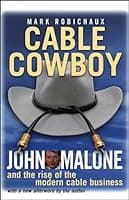
John Malone, cable television mogul who built TCI into the largest cable operator in America by mastering tax-sheltered leverage and long-term value creation over quarterly earnings.
“If you buy a property and find a manager motivated by ownership in the company, keep him or her in power and trust him or her implicitly.”
“"There is a big difference between creating wealth and reporting income," Malone liked to say, and the investors who held a long view rather than focusing on quarterly earnings would be rewarded handsomely.”
“Malone found that if he interviewed 30 people or so and listened intently, themes would emerge.”
“Theaverage cable system enjoyed a profit margin of 57 percent, far fatter than most businesses."0”
“"If you're going to ask about quarterly earnings, you're at the wrong meeting, and you probably own the wrong stock," he told one group of TCI investors. "What we care about is value. We want to create value for our shareholders. And I think the best way to create value is to have a very long view, so that's what we do. So when we have the opportunity to expand into an area we think is going to have long-term value,…”
“Once TCI had finished writing down the value of its assets to shelter cash flow from taxes, it would have to begin payingincome taxes and keep on paying interest, and there would be nothing left to fund growth. It needed to keep expanding, no matter what, buying up new cable companies to start the write-off process anew and build cash flow.”
“Hoak and his management team were the envy of other cable operators, and he structured the deal to give them a shot at the cable upside: In five years they would own an 18 percent stake in the operation of the cable systems they had sold. Hoak ended up making more money on his share in three and a half years than he had made over the first 17 years of building the company.”
“TCI doubled as an investment vehicle, investing in an ever-expanding portfolio of cable channels. Malone viewed himself as an investor and shareholder in each of these enterprises. It”
“"You have one time to tell me that you didn't do it that way before,"”
“The visits were also crucial to embodying the main rule he learned at McKinsey:Listen.”
“Tax-sheltered cash flow could be leveraged to land more loans to create more tax-sheltered cash flow.”
“"Forget about earnings. That's a priesthood of the accounting profession," he would preach, unrelentingly. "What you're really after is appreciating assets. You want to own as much of that asset as you can; then you want to finance it as efficiently as possible." 6 And above all else, make sure that the deals you do avoid as much in taxes as is legally possible. And then some.”
Thorndike, William N.
Shares TCI and Malone.
John Malone
Shares TCI.
Paul Goldsmith
Shares TCI.
Barry Diller
Shares Malone.
Joanne Black
Shares TCI.
O. Casey Corr
Shares TCI.
“Malone found that if he interviewed 30 people or so and listened intently, themes would emerge.”
“Hoak and his management team were the envy of other cable operators, and he structured the deal to give them a shot at the cable upside: In five years they would own an 18 percent stake in the operation of the cable systems they had sold. Hoak ended up making more money on his share in three and a half years than he had made over the first 17 years of building the company.”
“"You have one time to tell me that you didn't do it that way before,"”
“If you buy a property and find a manager motivated by ownership in the company, keep him or her in power and trust him or her implicitly.”
“The visits were also crucial to embodying the main rule he learned at McKinsey:Listen.”
“"There is a big difference between creating wealth and reporting income," Malone liked to say, and the investors who held a long view rather than focusing on quarterly earnings would be rewarded handsomely.”
“Tax-sheltered cash flow could be leveraged to land more loans to create more tax-sheltered cash flow.”
“"Forget about earnings. That's a priesthood of the accounting profession," he would preach, unrelentingly. "What you're really after is appreciating assets. You want to own as much of that asset as you can; then you want to finance it as efficiently as possible." 6 And above all else, make sure that the deals you do avoid as much in taxes as is legally possible. And then some.”
“Theaverage cable system enjoyed a profit margin of 57 percent, far fatter than most businesses."0”
“Once TCI had finished writing down the value of its assets to shelter cash flow from taxes, it would have to begin payingincome taxes and keep on paying interest, and there would be nothing left to fund growth. It needed to keep expanding, no matter what, buying up new cable companies to start the write-off process anew and build cash flow.”
“"If you're going to ask about quarterly earnings, you're at the wrong meeting, and you probably own the wrong stock," he told one group of TCI investors. "What we care about is value. We want to create value for our shareholders. And I think the best way to create value is to have a very long view, so that's what we do. So when we have the opportunity to expand into an area we think is going to have long-term value, we do it. We don't have to worry about the impact on earnings. So it makes a different kind of organization."9”
“TCI doubled as an investment vehicle, investing in an ever-expanding portfolio of cable channels. Malone viewed himself as an investor and shareholder in each of these enterprises. It”