Asset Cycling to Capture Volatility
Books Teaching This Pattern
Evidence
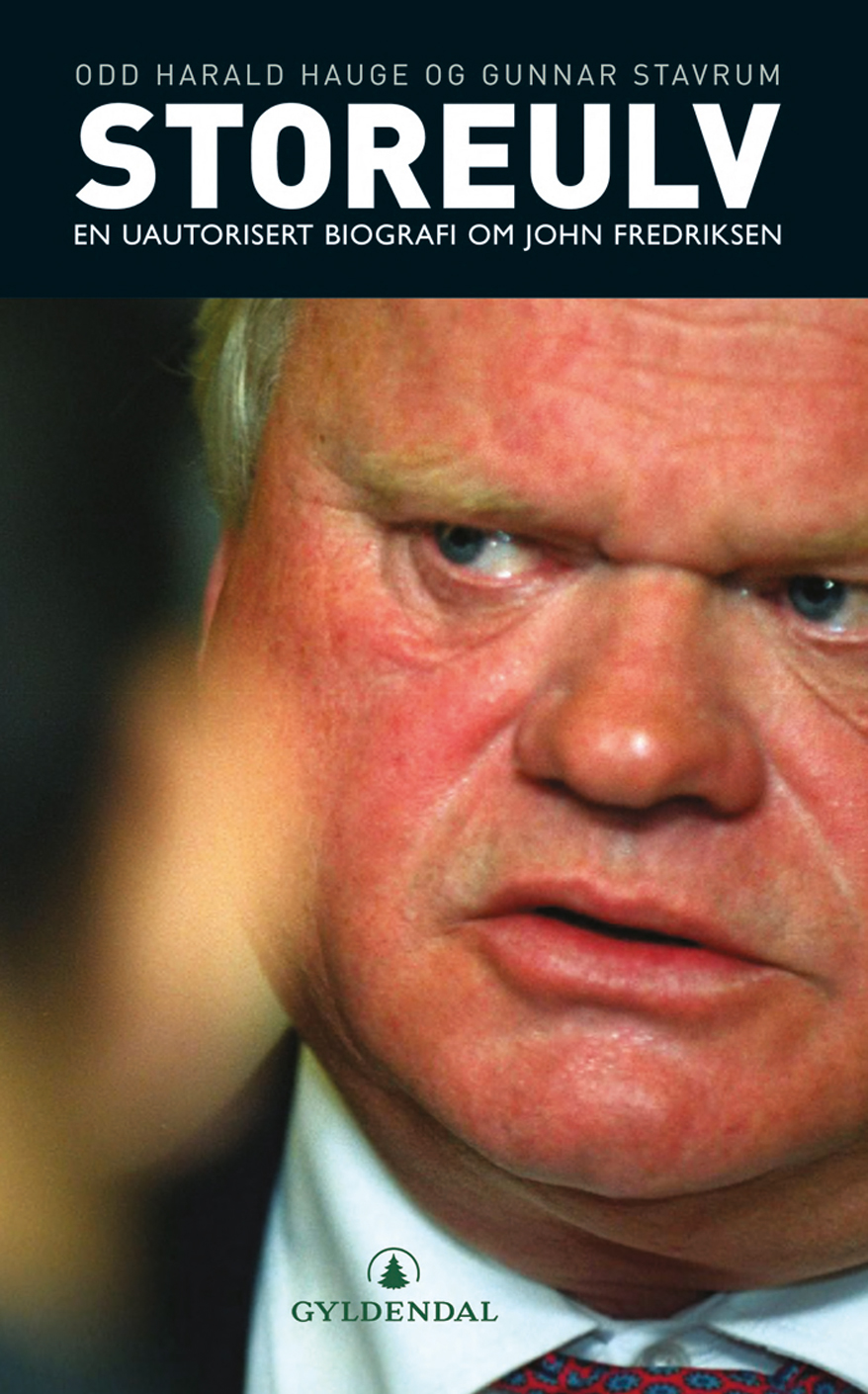
Storeulv (translated)
Odd Harald Hauge · 4 highlights
"John Fredriksen rarely thinks long-term. Buy today, sell tomorrow, take the profit when it’s there. These years leading up to the 90s were perfect for such a mindset. With the best broker contacts and a knack for good deals, Fredriksen made millions of dollars each time a ship was bought and sold. He himself claimed to have earned 100 million dollars each year from such quick transactions during the period 1987–89. An incredible amount, which may be somewhat exaggerated. It requires about 25-30 purchases and sales during the year, and even Fredriksen must have had difficulties keeping up."
"John Fredriksen was everywhere at this time, unstoppable in his search for a deal, like a drug for the mind. No part of shipping was uninteresting. He bought old drilling rigs without contracts, only to sell them almost immediately. The profit from just a few months of trading rigs was about 200 million kroner. From the bankrupt Jan Erik Dyvi, four heavy-lift ships were purchased. The rule was otherwise everything was for sale, immediately."
"In old days, people became rich through their own work. Then, they became wealthy through the work of others. The modern version is to make money by managing one's own money, as Fredriksen had done with varying success. With Trøim, the final phase came; namely, to get rich on other people's money. With Frontline, the partners got the perfect instrument to procure such money."
"John Fredriksen bought his first Frontline shares in the open market and paid with money. No one can criticize that. But the operations that followed had all the hallmarks of being a business within a business: Through Frontline, the shipowner had a golden opportunity to sell ships to himself and let others pay for it. Sven H. Salen had barely left the door before John Fredriksen made his first gigantic deal with himself. Within a few weeks in August, six oil tankers were sold from Fredriksen privately to Frontline for 357 million dollars, about 2.2 billion kroner. The transaction was made by Frontline taking over the ships with 208 million dollars in debt and giving Fredriksen 44 million Frontline shares as part of the purchase. This brought his ownership up to 64 percent of the shipping company. Admittedly, the matter was processed in the board and at the general meeting, but in practice, no one could oppose him – least of all the employees in Stockholm who now depended on the shipowner’s mercy."