Option-Loaded Contract Structures
Books Teaching This Pattern
Evidence
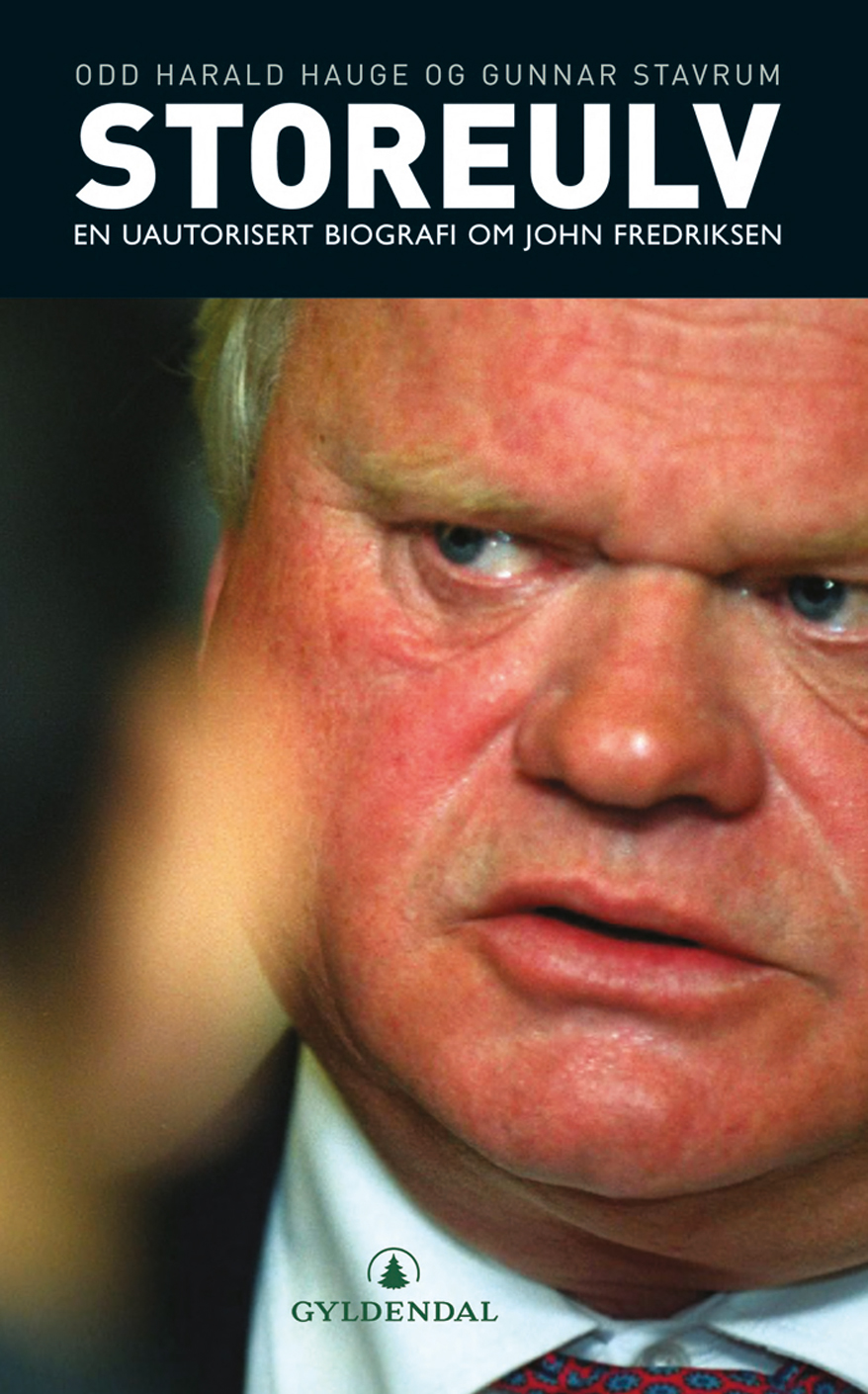
Storeulv (translated)
Odd Harald Hauge · 2 highlights
"Combined with the shipping contracts with the shipowners, Fredriksen often managed to get the right (option) to purchase some of the ships at a fixed agreed price. When freight revenues increased dramatically, the values of the ships also increased far above the option price. Fredriksen exercised his right to purchase and immediately resold the ships at a large profit. The right to purchase, and thus the profit, belonged to companies outside England, most often with the address 80, Broad Street, Monrovia, Liberia."
"When Frontline bought Independent Tankers in May 1998, with ten tankers, from Bjørn Q. Aaserød, they acquired as much debt as steel. Quite precise, actually. The leverage was so high that Fredriksen gained control of the ten ships for only 9.5 million dollars in equity, while the value of all assets in ITC was one billion dollars. The problem for Frontline was that the debt ratio in the shipping company would become dangerously high if the fleet was taken into the balance sheet. With the miserable shipping market at the time, it could lead to problems with banks and loan agreements. A month later, the fleet is sold on to Fredriksen personally, through Hemen Holding, for the same price. In the report to the SEC for 1999, it states that Frontline got a five-year option to buy back the fleet. But Frontline does not use the option, instead, it is extended, and in the report submitted to the SEC in July 2005, it states that on July 1, 2003, Frontline bought an option from Hemen Holding to take over the Independent fleet. The price of the option and the shares was 14 million dollars, which Frontline utilized the following year."