Winning Through Distressed Takeovers
Books Teaching This Pattern
Evidence
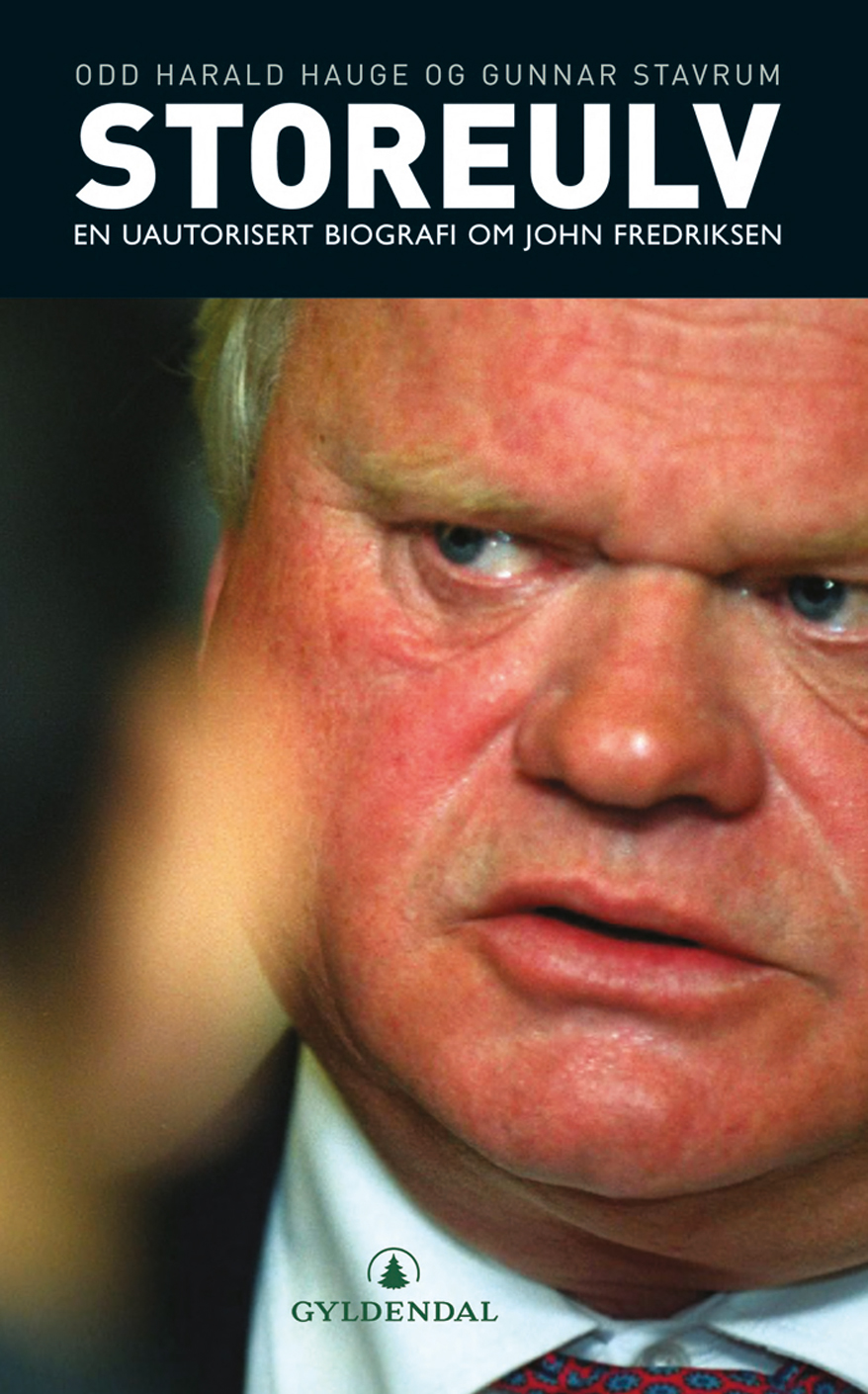
Storeulv (translated)
Odd Harald Hauge · 2 highlights
"In the winter of 2000, a new opportunity arose to acquire a shipping company in serious trouble, the Canadian company misleadingly named Golden Ocean. It had sailed from a golden sea to a sea of defaulted loans, and on January 14, 2000, they threw in the towel and asked the United States bankruptcy court in Delaware for protection from creditors. Thus, the wrecked shipping company was given 135 days to sort out its enormous debt. And as is usual in such situations, the bleeding victim immediately attracted the attention of the financial sharks. Fredriksen had been following Golden Ocean for a long time because he considered it a candidate for acquisition. Bergesen also followed the death struggle with interest, but what John Fredriksen didn't know was that the shipping management at Bergehus was loaded with billions, ready to buy the Frontline fleet at a bargain if the company went under. The danger was not yet over, according to Bergesen, and therefore, they chose to let Golden Ocean pass without making a bid. But John Fredriksen was not alone in setting his sights on Golden Ocean. Again, he faced competition from a small firm that specialized in buying debt to leverage such situations. This time it was little Bentley International. The first clash in the battle between Fredriksen and Bentley came in March 2000. Then, Fredriksen bought one-sixth of Golden Ocean's debt, amounting to just over three billion kroner. The price tag was only 40 million kroner, but the status as a creditor gave the Norwegian shipowner a say in the fate of Golden Ocean, which controlled 17 large tankers (VLCC) and a fleet of 11 modern bulk carriers. The battle for Golden Ocean was tailor-made for Tor Olav Trøim and Tom Jebsen. This was their home ground, unlike usual shipping deals where the two shipowners on each side are the main men. Because when Golden Ocean went to bankruptcy court, the owners lost their power. Now, it was a multi-headed troll of creditors and lenders on Wall Street who decided the fate of the shipping company. For Trøim, this meant a series of meetings with bankers in New York. The effort was crowned with success at the end of May, when Trøim managed to persuade the other creditors to approve a plan to save the shipping company. Frontline was willing to enter with 33 million dollars in cash – or Frontline shares for 48 million dollars – to take over. At the same time, Frontline bought the VLCC "Tina" for 74 million dollars from Golden Ocean, thus gaining steering speed through the heavy seas. As a financial maneuver, Golden Ocean was by the book. Frontline issued three million new shares, and placed them with new owners through Fearnley Fonds and Enskilda. This way, the shipping company brought in the 33 million dollars that the deal cost. Among the new major owners was Fidelity – the world's leading asset management company. It would be the beginning of an adventure for both parties and meant a breakthrough for Trøim's work to make shipping palatable to the financial environment in New York."
"Fredriksen has always had a weakness for offshore, whether it's rigs or floating production. At times, it has also gone well, the operation with Northern Offshore yielded one and a half billion in profit, but many sour investors. It is the knack for timing in buying and selling that is again Fredriksen's trademark. Therefore, it should have been a signal to everyone when he bought four old, jack-up Russian rigs in the spring of 2004. The purchase price was a whole billion. Two that were in lay-up were sold on with a nice profit after a short time, the two that had assignments were kept. Later in the year, he took over two small, floating production ships, another of Fredriksen’s favorites. Even for the hard-pressed investors in the fiasco Northern Offshore there were glimmers of hope. Finally, the market started to notice the drill ships again, and thus the fear of bankruptcy was much reduced. The bond loan, which had been trading at a quarter of its face value on the stock exchange, doubled in two months, there was hope of recouping the money for those who hadn't long since dumped shares and bonds in despair. There was life in the dead cat."