Big Potato Small Potato: Positional Power Over Fairness
Books Teaching This Pattern
Evidence
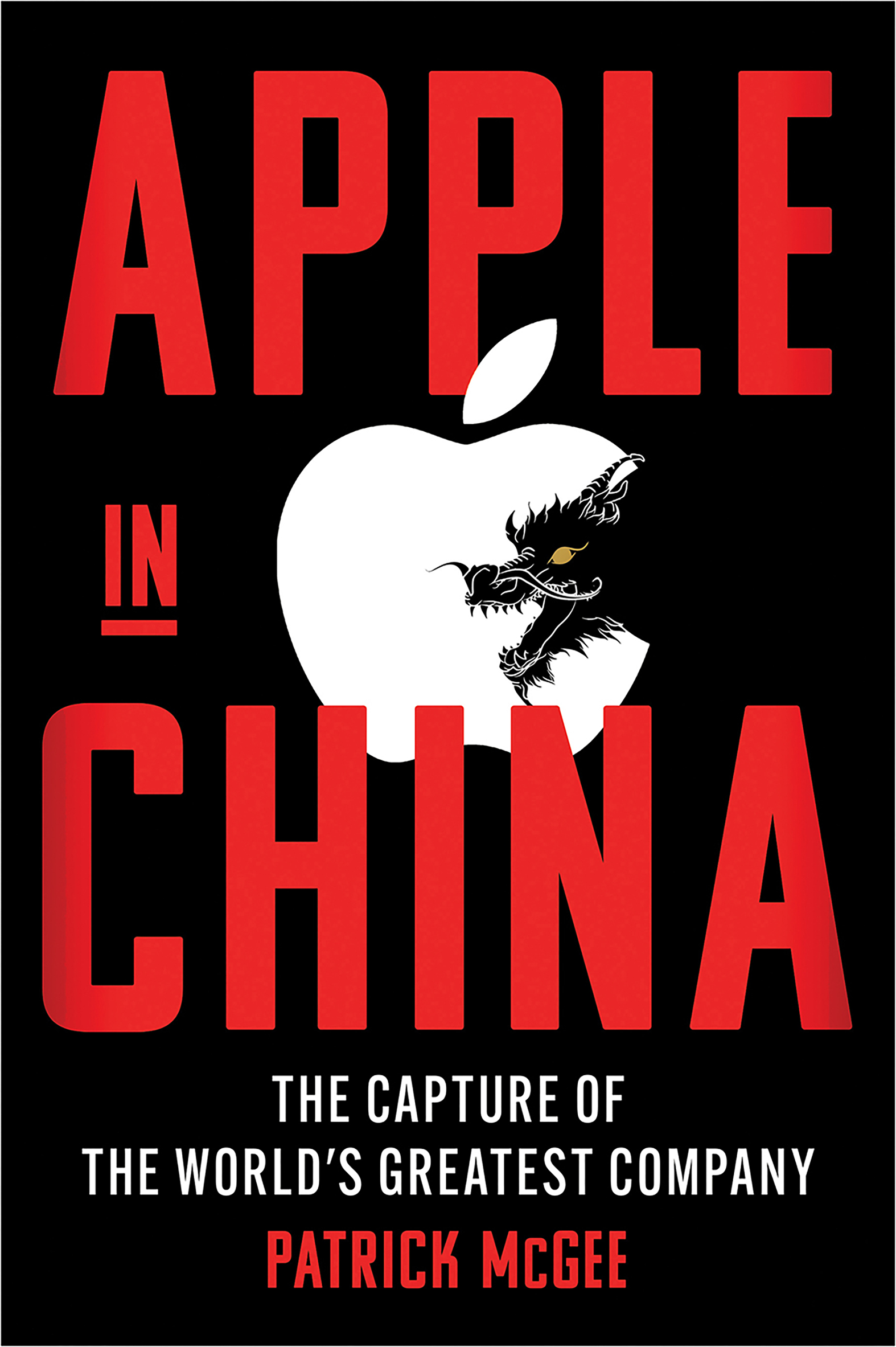
Apple in China
Patrick McGee · 3 highlights
"Executives had presumed that doubling down on China helped their cause—“look at how many jobs we’re creating!”—but Ford’s understanding of Chinese culture was more nuanced. “They call it big potato, small potato,” he says. “It’s an analogy for social status.” Sure, Apple was creating a lot of jobs, but it was also making a lot of money, so these things balanced out—China didn’t “owe” Apple anything. The job creation didn’t give Apple leverage; it just deepened its vulnerabilities and reinforced that it was the small potato. “I didn’t think Apple understood China very well,” he says. “I don’t think the American government does, either. They don’t get the culture of how the Chinese operate or how the [Chinese] government works. We approach everything from this Western mindset of fairness. The Chinese approach it from positional power—who’s got more strength?”"
"Over the following three weeks, as the media attacks widened, Cupertino learned that treating Chinese government officials like vendors in their supply chain wasn’t going to fly. Only then did Cook pen an apology letter, in Mandarin, for Apple’s China website. (According to one person, the Apple CEO also flew to Beijing for a secret meeting with China’s top officials. “The Chinese would never accept a written apology,” this person says. “You have to lose face in front of them, and bow.”)"
"Cupertino understands that openly supporting Xi’s plan for tech supremacy is politically taboo. But Apple’s message in Chinese media is, if not wildly supportive of the effort, then at least in sync with it. When *China Daily* reporters met Isabel Mahe in 2023, they quoted her saying: “Apple is happy and willing to help the country’s transition to smart manufacturing.” It paraphrased her, saying: “Previously, smart manufacturing equipment in Apple’s supply chains came mainly from non-Chinese companies, but now such equipment of local origin has become more common.” Mahe, like Cook, has portrayed these partnerships as “win-win,” seemingly oblivious to a quip that goes back at least a decade: “In China, ‘win-win’ means China wins twice.”"