Buy the Machines, Own the Factory Floor Without Owning a Factory
Books Teaching This Pattern
Evidence
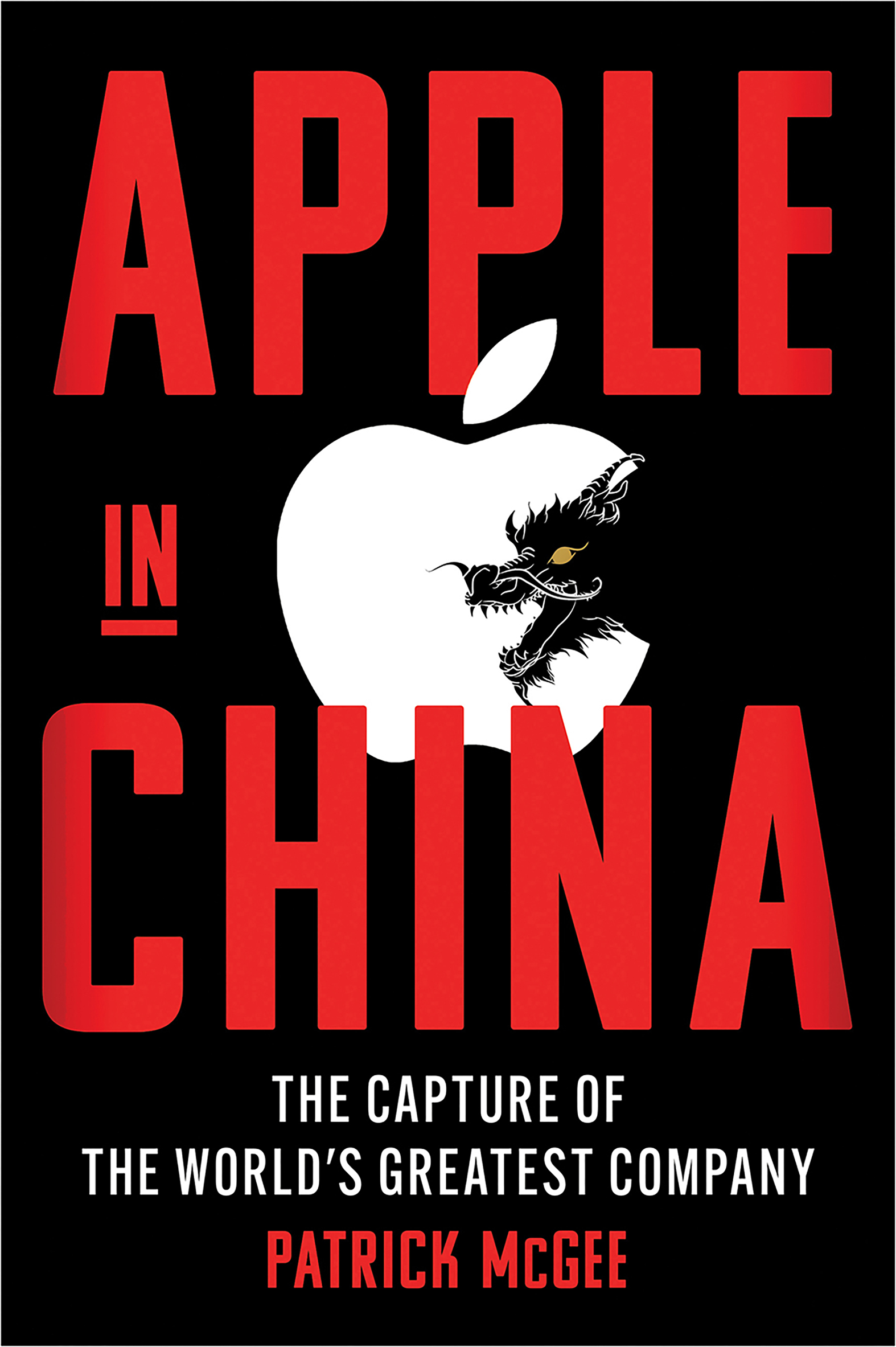
Apple in China
Patrick McGee · 4 highlights
"So Apple did something totally novel. It purchased hundreds of millions of dollars of machinery, placed it in the factories of its supply partners, and “tagged” it for Apple use only. “They were doing more capital equipment buying than anybody I could see in the world, and yet they were not owning it themselves—they were putting it in other people’s plants,” O’Marah says. From when the iPod launched in 2001 to when the iPhone went on sale in 2007, the “machinery” that Apple owns—equipment used in supplier operations—quadrupled from $245 million to $1.1 billion. Such capital expenditures stunned O’Marah, yet in the next five years that number would soar to $16 billion. The investments allowed its suppliers to operate at a level they’d otherwise be incapable of. And it gave Apple considerable advantages. Not only did Apple disallow the supplier from using the equipment on rival products, but at any point Apple could drive a truck to the vendor and reclaim the machinery. If Apple wanted to reduce orders at one supplier and favor its rival, “Apple would have the machines shipped to another factory—no question, no discussion,” says a manufacturing design engineer. In fact, around 2011 when Foxconn was attempting to exert leverage based on its dominant role assembling iPhones, Apple engineers showed up at a Foxconn assembly line and began unmounting expensive machinery from the floor, in broad daylight, before transferring it over to Pegatron. It wasn’t necessary to shift a large percentage of orders to the Foxconn rival—just making the point was enough to instill order."
"Apple’s own balance sheet tells the story: The value of its “machinery, equipment and internal-use software”—namely the instruments placed in third-party factories for production—totaled less than $2 billion in 2009, but then soared beyond $44.5 billion by 2016—more than four times the value of all “land and buildings” owned by Apple—as the company took unprecedented control of its supplier network."
"In numerous cases Apple wasn’t just training employees, it was purchasing equipment and placing it on the factory line of its suppliers. Recall that in the late 2000s, supply chain researcher Kevin O’Marah had been blown away when he observed Apple spending hundreds of millions of dollars on machinery to put in its suppliers’ factories. By 2018, the value of that machinery specifically for China—known as China “long-lived assets” in the company’s annual reports—had grown to $13.3 billion. These staggering expenditures allowed the factories to operate at a scale they otherwise couldn’t afford to."
"Apple took extraordinary control over its suppliers to ensure it was getting the appropriate prices. It demanded access to every detail about the supplier’s operating costs, from the wages of its workers and the cost of its dormitories to the bill of materials and expense of the machinery. In fact, Apple often had a better sense of the suppliers’ operational costs than the supplier itself. Because rather than have the supplier purchase the raw materials needed for whatever component it was manufacturing, Apple procured these components on their behalf—a power move that obfuscated from the supplier what the prices were. The tactic had emerged around 2010, when Foxconn was trying to earn extra money by purchasing components at one set of prices, then billing Apple a higher cost. Apple responded by “disintermediating” Foxconn. Another motivation was simply that, when annual iPhone shipments ran into the tens of millions per year, and then into the hundreds of millions, Apple realized it wasn’t good enough to assume its suppliers would secure enough raw materials—the only way to ensure this was to be involved in negotiations directly. The power this team wielded was enormous: up to 1,300 people all reporting to Tony Blevins."