Cash Preservation as Freedom Doctrine
Books Teaching This Pattern
Evidence
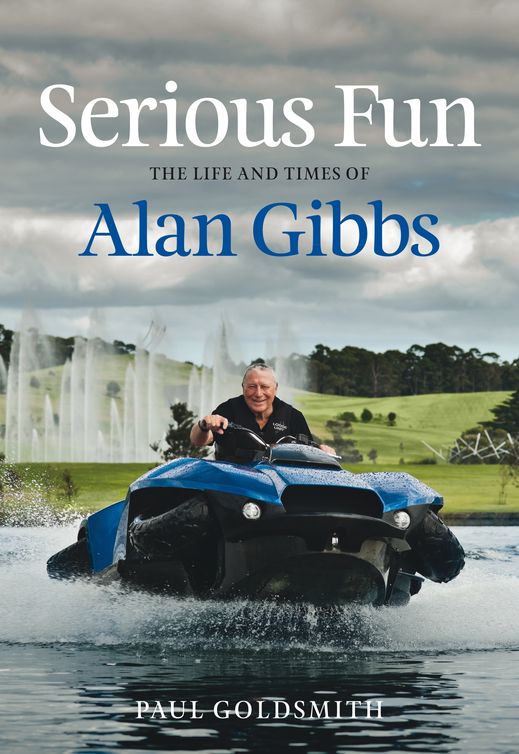
Serious Fun
Paul Goldsmith · 4 highlights
"‘Unless I’ve got superior information,’ he says, ‘and I know it’s superior because I’ve developed it, investing in particular stocks and bonds is just punting.’ Gibbs continued to put most of his money in the bank. When people asked for advice on shares, he told them to invest in funds that followed the market index. Picking winners, he argued, was futile for most people."
"Try to avoid concentrated investments with your own money, it’s too dangerous. My investment philosophy for a long time had been to avoid putting my own money into a deal. It wasn’t an absolute rule, I’d put money into Sky in 1990, but it was my temperament. Unless you can structure a deal in such a way that you don’t have to put money in and no financial guarantees, it’s generally not very good. Having to convince and persuade other people to fund you 100 per cent provides a good discipline. You really have to work hard and have a sound proposition. Whereas, if you’re just wandering around like we were after 1997 with cash in our pockets, looking for somewhere to invest some of it, you’re likely to get into trouble. You don’t take as much care; you don’t do half as much homework and more often than not, you get burned."
"Gibbs presents an interesting paradox in the sense that his personality is intensely restless and rarely satisfied, driving a ceaseless search for new forms of stimulation, but so far as his money is concerned he has long since been satisfied and his search for stimulus has never extended to a desire to put it at risk. Telecom acquisition team member Steve Walker remembers Gibbs ruminating late one evening after a meal in Philadelphia in 1989 while they were chasing the Telecom deal: *Alan told me, ‘Look, I’ve got 100 million dollars,’ or some such figure. ‘It wouldn’t make a scrap of difference to my lifestyle if I had another 100 million dollars; but it would make a big difference and would seriously piss me off if I lost $50 million.’*[18](private://read/01jrsfvkjy84rkprtbz9amfvj8/#rw-num-note-477355-616451090-18)"
"Towards the end of Gaynor’s period, aside from his major investments in Freightways and Ceramco, Gibbs’ portfolio consisted of a pile of cash, in excess of $100 million, and other public shares worth a mere $1.2 million. Gaynor remembers his boss worrying incessantly about the relatively insignificant parcel of shares. Gibbs, he says, was not a natural passive investor.[36](private://read/01jrsfvkjy84rkprtbz9amfvj8/#rw-num-note-477346-006497775-36) Meantime, Gibbs had made it his goal never to be in the position where he couldn’t write out a $20 million cheque that could be cashed the next day."