Creative Conflict as Decision Engine
Books Teaching This Pattern
Evidence

Prada: A Family Story (translated)
Tommaso Ebhardt · 2 highlights
"Miuccia and Bertelli have always been portrayed as the yin and yang: the brilliant creative, a refined intellectual lent to the creation of luxury and fashion, who meets the gruff industrialist with an exceptional intuition akin to the true animal spirit of capitalism. I will discover that this is an oversimplification of the complexity of a couple where creativity and business blend, roles change and subvert depending on the moment. That Bertelli has an irascible character is beyond question, capable also of temper tantrums and acts befitting a patriarchal leader of the last century, such as when he smashed the headlights of an employee's car who had parked in the wrong spot with a hammer. But he is also a creative who sketches designs, and Miuccia has a knack for business: among the two there is an elective affinity – I am told by some of their closest collaborators – which also thrives on lively discussions, going beyond the tensions of a couple's relationship marked by inevitable separations and embraces, always present in the decisions that matter."
""The dialogue," as Miuccia says in Pradasphere, the volume derived from the exhibition which represented the timeline of the Prada world, "creates authenticity." The lady believes in confrontation, whether it's about fashion, business, or art and their Foundation."
Who Knew
Barry Diller · 3 highlights
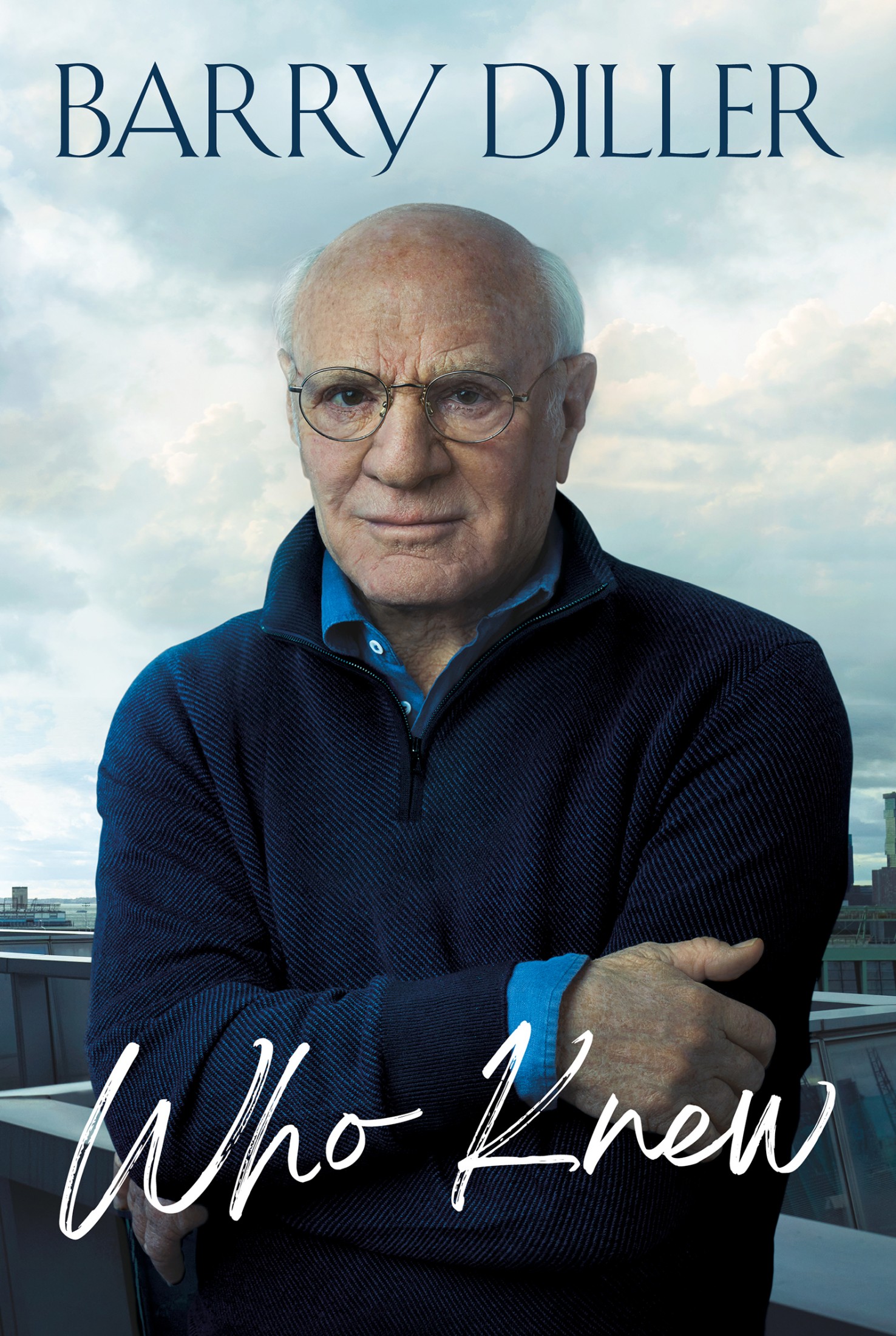
"My training stipulated that we had to be involved in every detail. At best, this management style created a productive tension between the studio executives and the talent that made the movie. I abhor the popular concept that filmmakers should be left alone to do their work. There are very few who do not benefit from a more objective opinion; whether they appreciate or acknowledge it is beside the point."
"creative tension is productive; Kate Hepburn said, “Show me a quiet, happy set and I’ll show you a boring movie.” Yes, there are a few, very few, artists who can unilaterally keep the whole equation in their head and need no external vetting. And yes, there are a lot of dopes in the executive ranks. But good and talented executives should not abrogate their responsibilities because artists denigrate them as obstreperous and talentless “suits.” Movies have become a directors’ medium, while television has always been a producers’ and writers’ medium. Because of that, I really do think the quality of television is on average far better than the quality of movies."
"Out of my blunt nature came my most defining aspect of management: I encouraged and insisted upon extreme argument in every creative area. It was loud and it was something of a free-for-all, and every voice got attention if that voice had passion. I was like a bandleader conducting lots of dissonant instruments clanging together. But if you listened, really listened to this cacophony, out would come, after exhaustion and sometimes late into the night, the refinement of an idea into something actionable. I called it “creative conflict,” and since then I’ve prized it as the best process for decision-making. It was sometimes tedious and often more than boisterous, and it was certainly not for everybody, nowhere near politically correct by today’s often oversensitized standards. But I learned to use it to tease out the base truth of whatever was up for discussion, because at some mostly tortured point the truth rang out in my head and I knew what to do. Eventually, I adapted it to fit into almost all my business decisions, and it’s this process that has since guided me more than anything else. I’ve never thought decision-making should be peaceful. Despite today’s standards of enforced and usually dull civility, I still believe passionate, argumentative debate is the best way."