Family Business as Power Concentration
Books Teaching This Pattern
Evidence
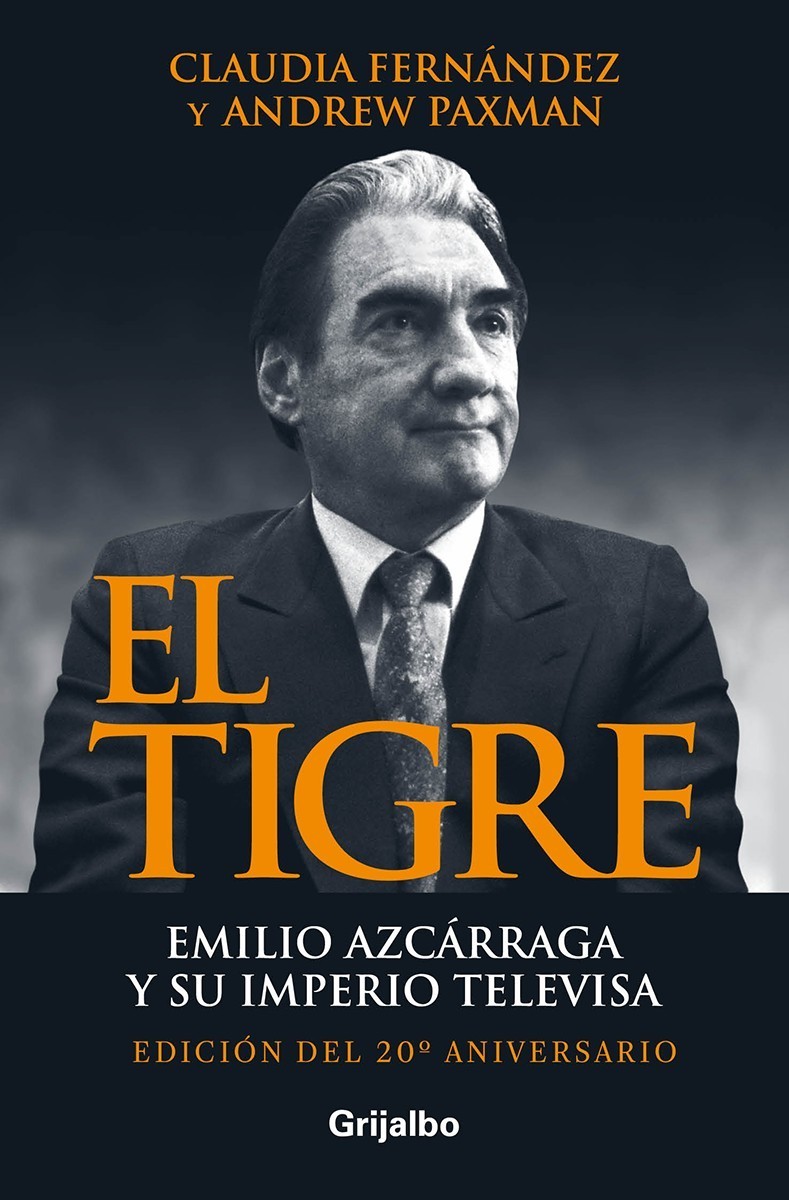
The Tiger
Andrew Paxman · 3 highlights
"Don Emilio’s favorite was Fernando Diez Barroso. Married to Laura Azcárraga, his eldest daughter, Diez Barroso served as the company’s chief administrator and chief financial officer. Since Othón Vélez Sr. had remained at XEW-Radio and because television had become Azcárraga’s main interest, Diez Barroso once again became Don Emilio’s right-hand man. This hierarchy, together with his undeniable professional talents and his close relationship with the Azcárraga family through his marriage to one of the daughters, made him the apparent heir to the leadership of TSM. In a bitter irony, Diez Barroso had a nickname that Emilio Jr. surely felt ought to be his: The Prince."
"However, differences in loyalties prevailed, and the existence of these power fiefdoms created a divide between TSM’s young executives and artists: their loyalty to Azcárraga Sr. or Azcárraga Jr. typically mirrored that of the executive to whom they reported. This contrast was accentuated by Azcárraga Milmo who, eager to differentiate himself from his father, tended to be tough on the people favored by don Emilio, and vice versa. Over the years, this division within TSM fed the perception that Azcárraga father and Azcárraga son were completely different. Depending on whom one spoke to, don Emilio was a saint, an intelligent and shrewd boss, while his son was a good-for-nothing playboy; or else don Emilio was impatient and intolerant and Emilio Jr. a brilliant but misunderstood young man who had to make immense efforts to free himself from his father’s shadow."
"Even though Don Emilio was promoting his son as an executive, he did not give him special treatment in day-to-day work. He was concerned about and disapproved of the playboy turn his son’s life had taken after Gina’s death. Don Emilio thought that the only way his son would mature would be if he put more energy behind the desk and less in bars and bedrooms. Emilio Jr. liked to argue about everything and often interrupted his father, so he was frequently reprimanded: “Don’t be stupid, this is a serious business!” or “Let’s see, Mr. Know-it-all!” On one occasion, Don Emilio explained this strict attitude to a friend: “I demand a lot from my son for two reasons: because he is Emilio and because he is an Azcárraga.”"
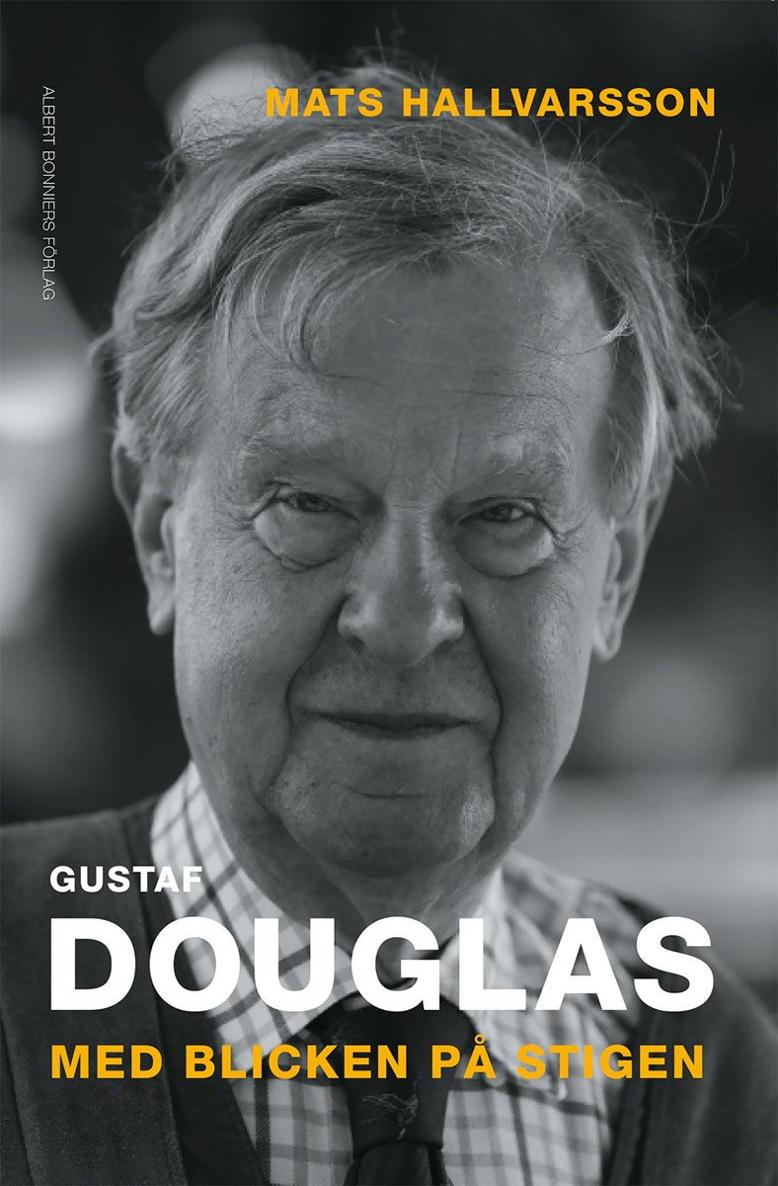
With eyes on the path (translated)
Gustaf Douglas · 3 highlights
"Bo Sandell's investment company Skrinet was listed on the stock exchange in 1977 and quickly acquired positions in nearly a hundred small and medium-sized companies as well as a couple of larger stakes in big businesses. He was very skilled at winning the trust of family business owners and solving their succession problems in high-tax Sweden at the time, under the threat of employee funds. Skrinet grew, restructured its companies rapidly, and the market value soared in the early 1980s."
"The creator, LO economist Rudolf Meidner, wanted to exclude smaller companies with fewer than one hundred employees, but the LO congress said no to this in 1976. It wasn't just Ingvar Kamprad and Ikea and the Rausing family with Tetra Pak who fled the country. Thousands of family-owned small and medium-sized businesses ended up on the sales list."
"We acquired control over Forsinvest, a publicly traded company, at a price that was at least thirty percent too high. I was sold Forsinvest in the fall of 1984 by a bank, but the decision was mine, as well as the blame. What was in the company's archives the bank probably did not fully know either. Forsinvest had played an important role in the power shift after Marcus Wallenberg's death in 1982, in which I also contributed, complicating the further development of a positive relationship with the powerful clan and my investment operation."