Fresh Capital from Oligarchs Not Banks
Books Teaching This Pattern
Evidence
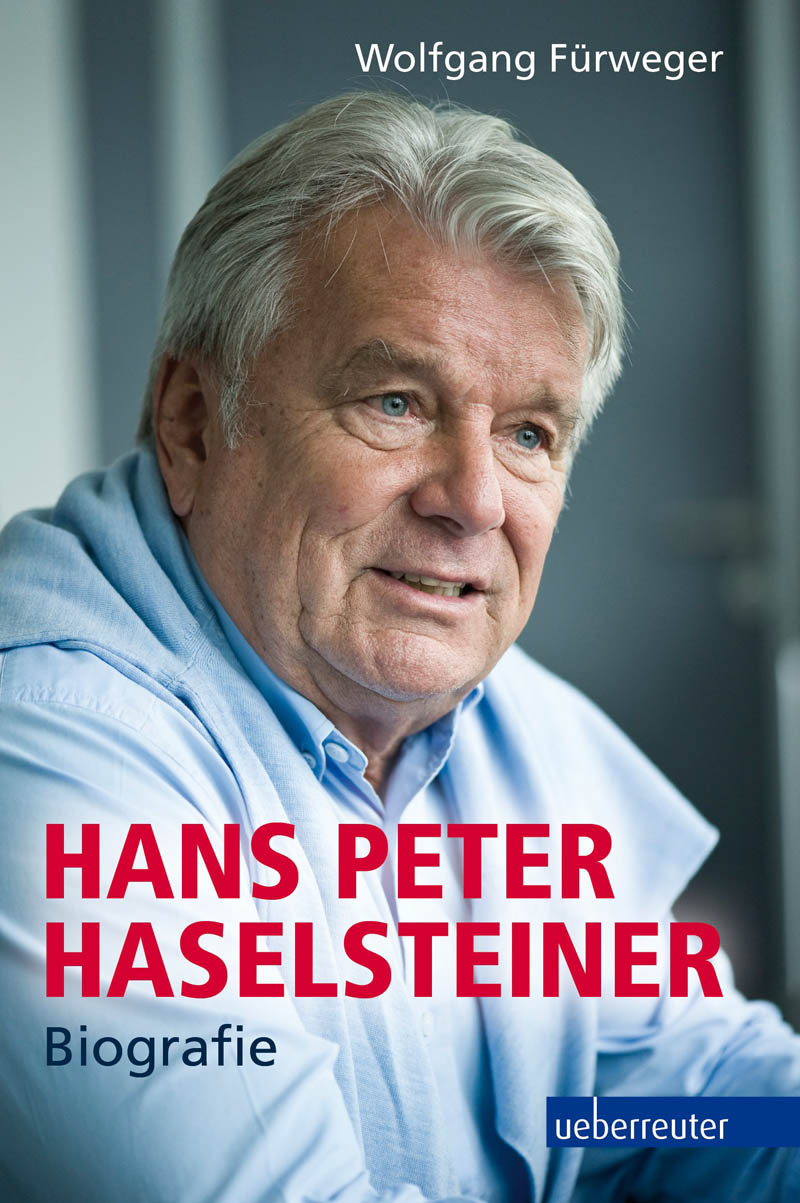
Hans Peter Haselsteiner Biography
Wolfgang Fürweger · 2 highlights
"Deripaska saw the 30 percent stake in Strabag SE as a strategic investment. The Haselsteiner group received 1.05 billion euros in fresh capital, as the Russian’s entry was through an increase in share capital. The shares of the previous owners — the Haselsteiner family held 50 percent plus one share, the Raiffeisen sector held 50 percent minus one share — were proportionally reduced to 35 percent each. The principle that each share had one vote was maintained. Deripaska did not agree to purchase non-voting preferred shares. Incidentally, the construction business was not foreign to him: At home, he already owned the Transstroy construction group, which generated 1.5 billion euros annually. In comparison, Strabag was building around one billion a year in Russia at the time. Haselsteiner: “Together, we are already number one in the Russian market.” And they wouldn’t compete with each other but would complement each other wonderfully, he painted a picture of a rosy future: While Deripaska’s group was mainly focused on large-scale residential construction in Moscow, Strabag had so far mainly realized high-rise projects for upscale demands. And the personal relationship between the two company heads was also harmonious. Haselsteiner praised Deripaska as a “pleasant interlocutor”: “He is an industrialist without attitude. I certainly prefer to do business with Deripaska than I would with Dick Cheney (oil magnate and then US Vice President – ed.).”"
"At that time, the entry into Strabag was not the only strategic investment of the enterprising Russian investor: Almost simultaneously, he purchased 9.99 percent of the globally active German construction company Hochtief for almost 400 million euros. In September 2007, he acquired 20 percent of the so-called A-shares of the also globally active automotive supplier Magna International, which was still controlled by Frank Stronach at the time, for 1.4 billion dollars. Unlike Stronach’s B-shares, these had virtually no voting rights. The Russian was welcomed with open arms everywhere. In the case of Strabag, the investors welcomed the new major shareholder in their own way: The shares of the German Strabag reacted to the announcement of Deripaska’s entry with a price jump of more than five percent on the day of the announcement. Almost simultaneously, the company headquarters was able to announce that the just-ended financial year for Strabag SE had ended with a new record result. Of the 10.4 billion euros in annual sales, 40 percent were in Germany, 20 percent in Austria, 30 percent in Eastern Europe, and 10 percent in the remaining markets."