Monopoly Infrastructure as Chokepoint
Books Teaching This Pattern
Evidence
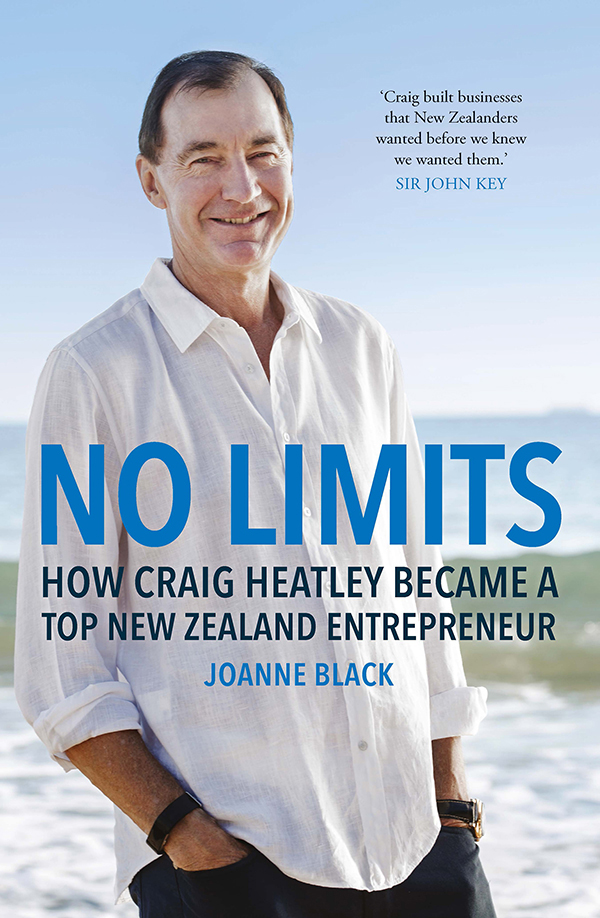
No Limits: How Craig Heatley Became a Top New Zealand Entrepreneur
Joanne Black · 3 highlights
"To set up towers in remote high spots was not only beyond Sky’s financial resources but the process of getting resource consents would have taken years, quite aside from the physical and financial challenges of getting power and infrastructure to the difficult-to-access sites. In that field, TVNZ subsidiary Broadcast Communications Ltd (BCL) literally held the high ground. It had the towers and access agreements already in place with landowners to allow it to reach and maintain the towers. At considerable cost, Sky partnered with BCL. In February 1989, *The New Zealand Herald* announced that Sky and TVNZ’s broadcasting services division had agreed ‘a multi-million-dollar contract’ for the state broadcaster to provide ‘a total transmission service for Sky Media’.[1](private://read/01jectdbce729daxqkxt7cbe8r/#mn18)"
"Heatley was ropable and while he had always been in favour of the benefits of open and competitive markets, it seems likely that some of his later involvement with the fledgling ACT Party was spurred by the experience of trying to start a competitive broadcaster in an environment of state control. ‘We were immediately up against not only the worst type of bureaucracy but monopolistic, government bureaucracy using its power to screw you. It was the worst of all worlds.’ But just as Heatley was not deterred as a teenager negotiating to buy a $10,000 block of land with just $200, nor was he deterred now. If there was no way to work within the law, could the law be changed? Was there a way to go around it? He set out to thoroughly understand how the legislation and regulations worked."
"The regulation that first confronted Heatley, Jarvis and Green was daunting. Just to try to replicate the Australian situation of showing live racing in pubs meant first penetrating a dense thicket of bureaucracy and government-mandated monopoly. Technically, putting a satellite dish in a pub car park was not difficult. Nor was leasing transponder space—there was a satellite with a transponder capable of rebroadcasting from Australia to New Zealand, which potentially allowed Australian horse racing to be shown live across the Tasman. Jarvis had already talked with Kerry Packer’s Channel Nine about getting access to its racing channel’s content. But even if you owned your own pub—owned the land, owned the buildings—and bought your own satellite dish, paid yourself to have it installed and paid for the satellite space to receive the signal and the coverage, you would still need a licence from Telecom to set up the dishes and allow the telecommunications to go ahead."