Never Consider Failure as a Possible Outcome
Books Teaching This Pattern
Evidence
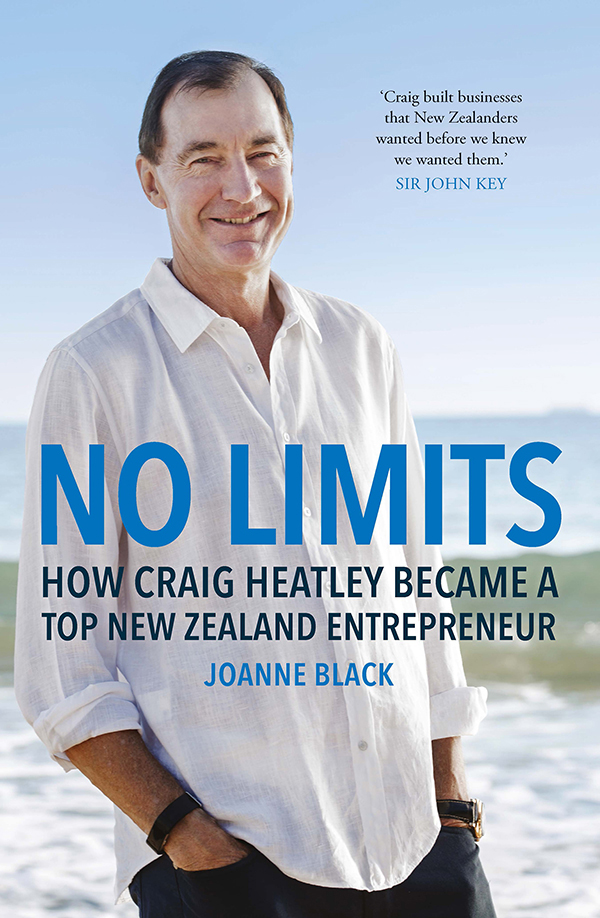
No Limits: How Craig Heatley Became a Top New Zealand Entrepreneur
Joanne Black · 3 highlights
"As far as Heatley recalls, during the construction phase he and Sheffield never had a ‘what-are-we-going-to-do-if-the-money-runs-out-before-we-finish’ conversation. Just as with the Foxton subdivision, Heatley never considered failure to be a possible outcome. ‘It sounds nuts, I know, but we just blindly went on,’ he says."
"Within two years, all but one or two of the 11 sections were sold and his $200 investment had become $17,000 profit. Looking back, he can scarcely believe that as a schoolboy he even considered creating a subdivision, let alone that he achieved it. But at the time he did not think he was doing anything unusual because the people he was dealing with treated him seriously and were professionals. ‘But how could I have thought that was normal, or even that I could succeed? It’s crazy! Perhaps I was arrogant. I just don’t know. But it worked.’ It seems that Heatley never considered that he might fail. ‘I don’t have a creative bone in my body and I don’t think I’ve ever had much ability, but I’ve never put limitations on what I do have,’ he muses. ‘I’ve also never been afraid to call up the right person if I think they have information or something I need. That’s not to say I’m always successful. Often I am not but unless you try, you’ll never know.’"
"There were dilemmas everywhere the novice Sky team looked. What if the government changed its mind and the frequencies were never tendered? What if they were tendered but Sky lost the bid? Or won it but had nothing to broadcast? But if they signed up pay TV rights, then lost the bid, the money they had paid for content would be wasted. Would their chances of signing up rights, and winning frequencies, be enhanced if they had a demonstrable physical base? But what if they paid for a base, then did not win the frequencies or could not obtain the rights or both? However they looked at it, there was no way of escaping significant financial risk. On top of that, apart from Jarvis’s early discussions with Kerry Packer’s Channel Nine in Australia about televised horse racing, none of them knew how to go about signing international broadcasting rights for a TV company, let alone one that was not yet on air. The one outcome they did not consider was what might happen if they set up pay TV and not enough New Zealanders were willing to pay for it to make it viable. But as David Grieve observes, Heatley has an ability to look past problems. Grieve remembers that in the post-crash environment when people were being much more cautious in their spending, Heatley paid $2 million for a property at O’Neills Avenue in Takapuna. ‘He always seemed prepared to move forward, rather than move backwards.’"