Permanent Renovation as Operating State
Books Teaching This Pattern
Evidence
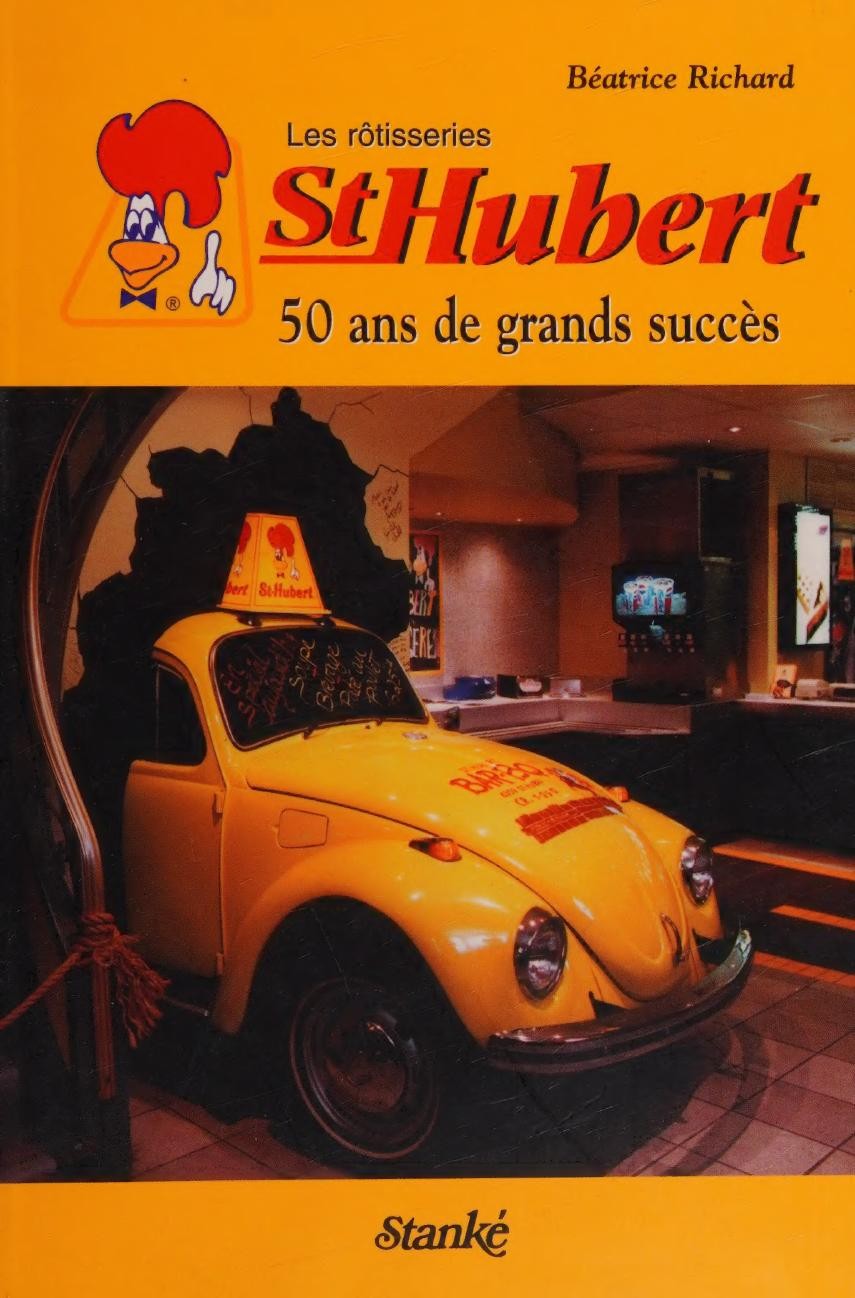
St Hubert: 50 Years of Great Success
Beatrice Richard · 2 highlights
“The new employee does not know it yet, but his hiring coincides with a strong growth spurt for the company. He will soon experience it very concretely. One fine morning, the staff is greeted by a dreadful crash: the Légers have just rented the neighboring building to expand their premises. The walls vibrate under the blows of sledgehammers, to the point that sometimes you have to hold the dishes so they don’t fall off the shelves. This cataclysmic atmosphere hardly bothers the older employees. They are used to it. It’s already the second time in five years that the rotisserie has been renovated and reorganized. The St-Hubert spirit is also a bit like that: a kind of state of permanent revolution.”
“Spring 1957. A restaurant adjoining the St-Hubert Bar-B-Q closes. What’s more, the building that housed it is put up for sale. For the Léger family, it’s now or never to expand their dining room. However, they don’t have the means to acquire the building. At least for now. Once again, Mr. Ménard comes to their rescue. Hélène and René convince their landlord to buy the building on their behalf. In exchange, the rotisserie owners will rent the premises from him for 10 years with a purchase option of $90,000. The agreement is signed in May. Once again, sleeves are rolled up at 6355 Saint-Hubert Street. Mr. Ménard’s building is turned upside down: a basement is dug, the framework is redone. The shared wall is knocked down to expand the rotisserie dining room. Ninety thousand dollars! The commitment is colossal; it requires constantly rising revenues. But the Léger family believes in their star more than ever. The events that follow will soon prove them right.”