Rule By Law as Corporate Leash
Books Teaching This Pattern
Evidence
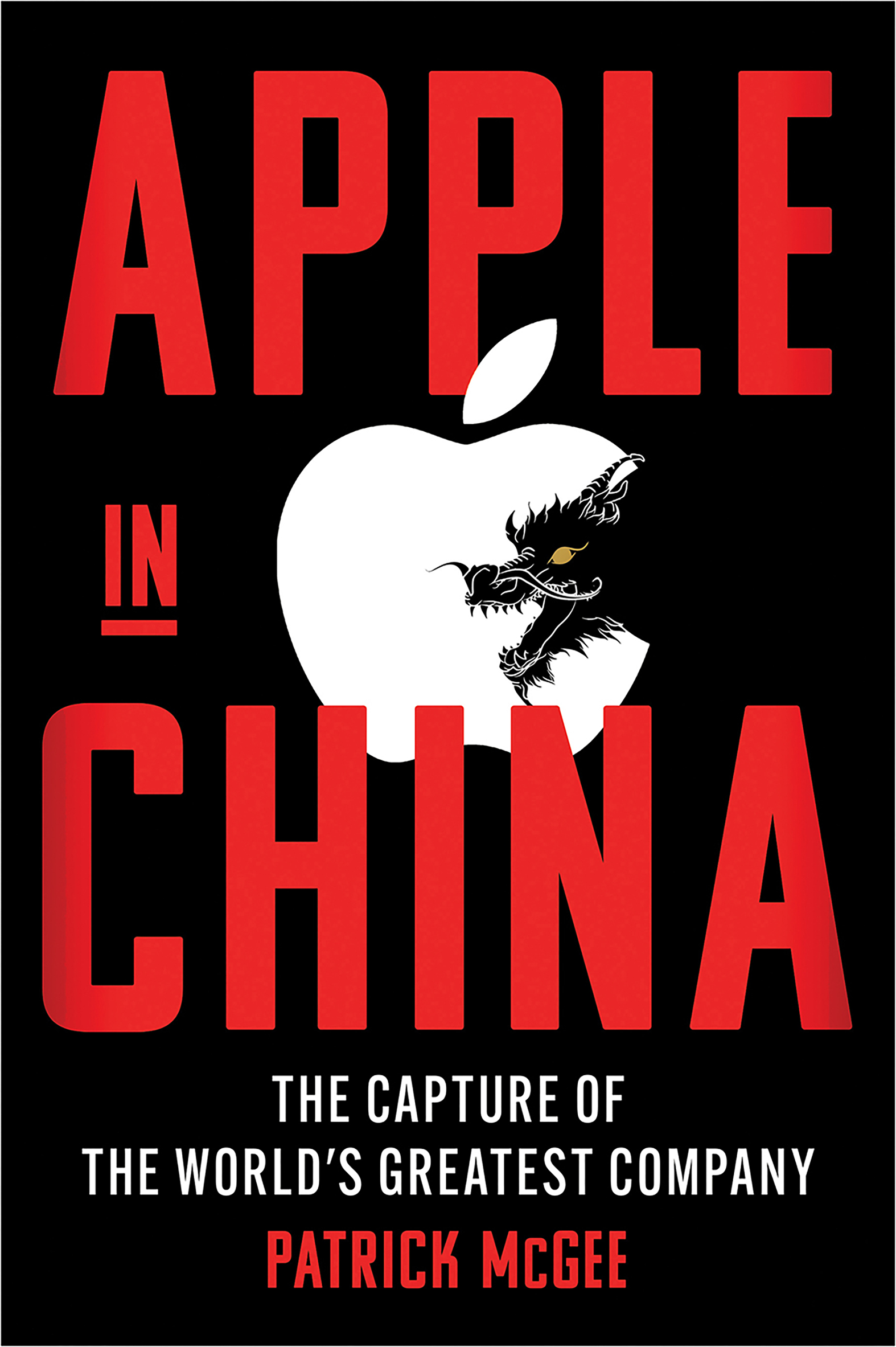
Apple in China
Patrick McGee · 3 highlights
"Behind the basic principle was a wider legal history in China. Unlike the Rule *of* Law developed in the West, Xi was returning China to a Rule *by* Law tradition, a system of governance dating back more than 2,000 years. Rule *of* Law is about creating an impartial framework; Rule *by* Law is about controlling the population—or in this case, nudging corporate behavior. Beijing was not *explicitly* demanding anything for market access—that was illegal under WTO rules. But it was redesigning the system to make wink-wink arrangements more likely. As one Western businessman living in China at the time characterized the changes, “voluntary is the new mandatory.”"
"Lawyers in Cupertino were frantic and confused about China’s newest ordinance—the labor dispatch law of mid-2014, which limited the share of temporary workers a company could employ to just 10 percent. The new rules wouldn’t be enforceable until March 2016, but as soon as they were Apple’s most important suppliers would be in violation. The lawyers looked at each other in dismay. “There’s no way we can comply with this!” When they called up Doug Guthrie in China, the professor’s response only confused them further. “That’s the point,” he told them. “You’re *supposed* to be out of compliance.” They’d protest: “How does that make any sense?” And Guthrie would explain: “Because you’re supposed to go figure out what the mayor of Zhengzhou wants from you.”"
"The flexibility of this exploited population was instrumental in China’s rise. There was no way Beijing was doing away with it; instead, the regime was designing legislation to compel companies like Apple to respond with favors. The labor dispatch law was federal, but enforcement was local. So if Apple realized its operations ran afoul of the new rules, it had three choices: overhaul the way it did business; leave China; or find out what the local officials wanted. In this circuitous fashion, Beijing was telling Western corporations that if they wanted access to China’s 1.4 billion people, they’d have to give up something."