Secret $275 Billion Kowtow to Keep the Machine Running
Books Teaching This Pattern
Evidence
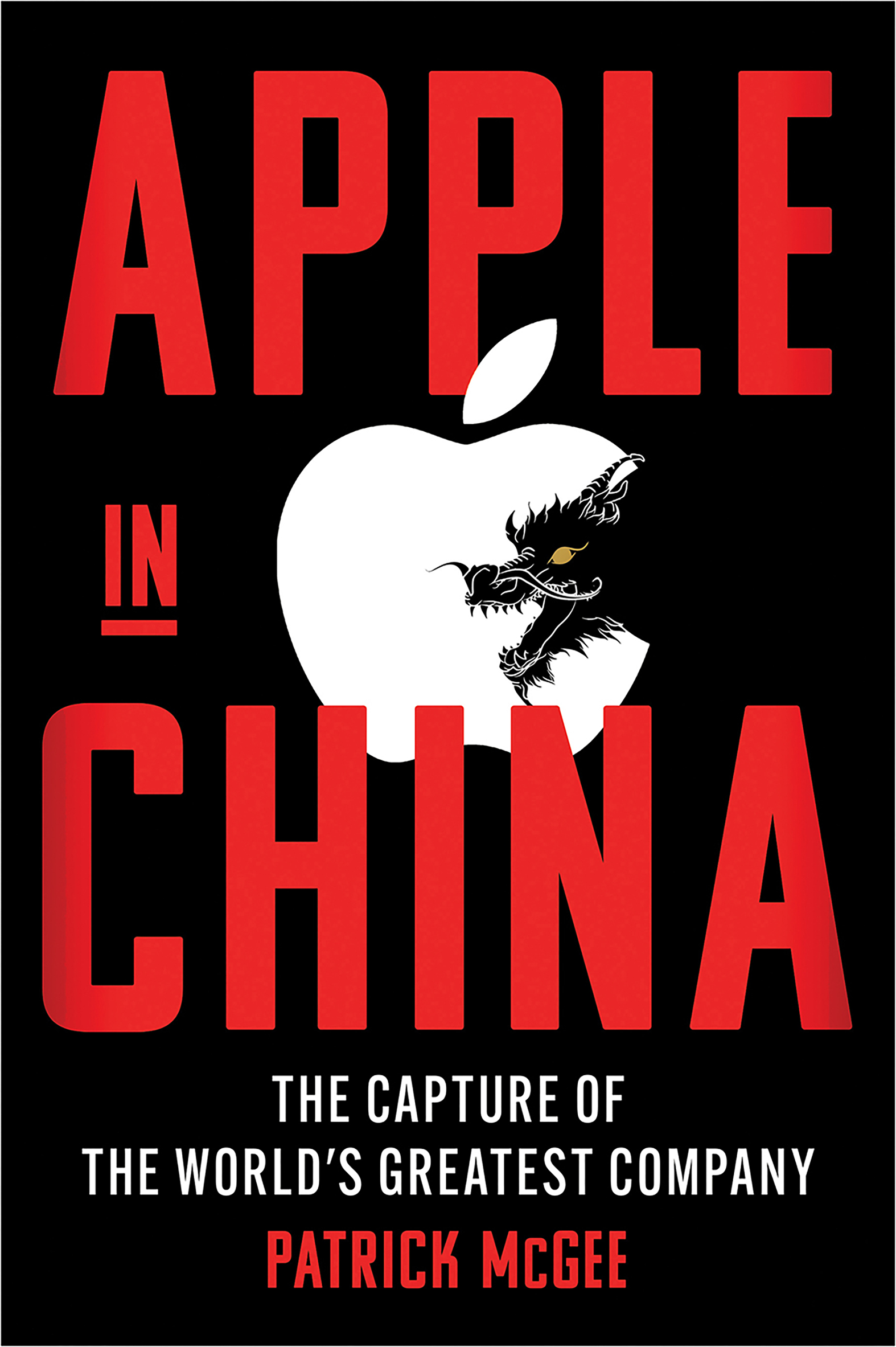
Apple in China
Patrick McGee · 4 highlights
"Cook had cautiously chosen to broadcast Apple’s $275 billion deal with Beijing quietly, so Cupertino needed to take other action as well. In effect it deployed a two-track approach. The private investment demonstrated its positive impact across multiple industrial clusters, while a second track would more publicly showcase new partnerships, more job creation, and the local R&D hubs. Liu might not have known all the details of Apple’s predicament, but she was no amateur in getting deals done with strategic rivals and potential partners."
"Just twenty-two days after their meeting, Apple announced a $1 billion investment in the ride-hailing start-up. Liu said it happened “like lightning.” The investment stunned tech observers. Sure, Apple had acquired plenty of companies outright in the past, and it certainly had the cash, but the Cupertino behemoth almost never took a stake in a start-up—especially not an app developer that competed against rivals within its own ecosystem. It was the largest single investment Didi had ever received. Cook’s explanation didn’t exactly hold water: “We are extremely impressed by the business they’ve built and their excellent leadership team, and we look forward to supporting them as they grow.” His comments weren’t wrong so much as beside the point. Hundreds, even thousands of app companies would have been good investments since the App Store debuted in 2008, but Apple hadn’t bought a stake in any. Most observers had an inkling of what was really going on. “The deal seems like a calculated move by Apple to curry favor in China,” wrote *The Information*."
"Even Apple executives were surprised. “That was a signpost event,” said one person who’d helped Apple build out its Asian supply chain in the early 2000s. “Like, this is how organized the graft is. It used to be a roll of hundreds out of your pocket, under a table in a restaurant. Now it’s in public: ‘You’re going to write us a billion-dollar check to invest in our autonomous driving and machine-learning start-up.’ ” Apple executives in the immediate aftermath told this person that Beijing had specified the investment and that Apple followed through to “show we’re committed to the CCP.” This, however, is unlikely. Chinese politics rarely work that way. Rather, officials set the conditions where such demonstrations of commitment are warmly welcomed, but the commitments are not well defined. That way, nothing untoward is put into writing, China avoids breaking WTO rules, and the corporation is left wondering if its actions are enough."
"The flexibility of this exploited population was instrumental in China’s rise. There was no way Beijing was doing away with it; instead, the regime was designing legislation to compel companies like Apple to respond with favors. The labor dispatch law was federal, but enforcement was local. So if Apple realized its operations ran afoul of the new rules, it had three choices: overhaul the way it did business; leave China; or find out what the local officials wanted. In this circuitous fashion, Beijing was telling Western corporations that if they wanted access to China’s 1.4 billion people, they’d have to give up something."