Silk Tie Competitions to Train Negotiators
Books Teaching This Pattern
Evidence
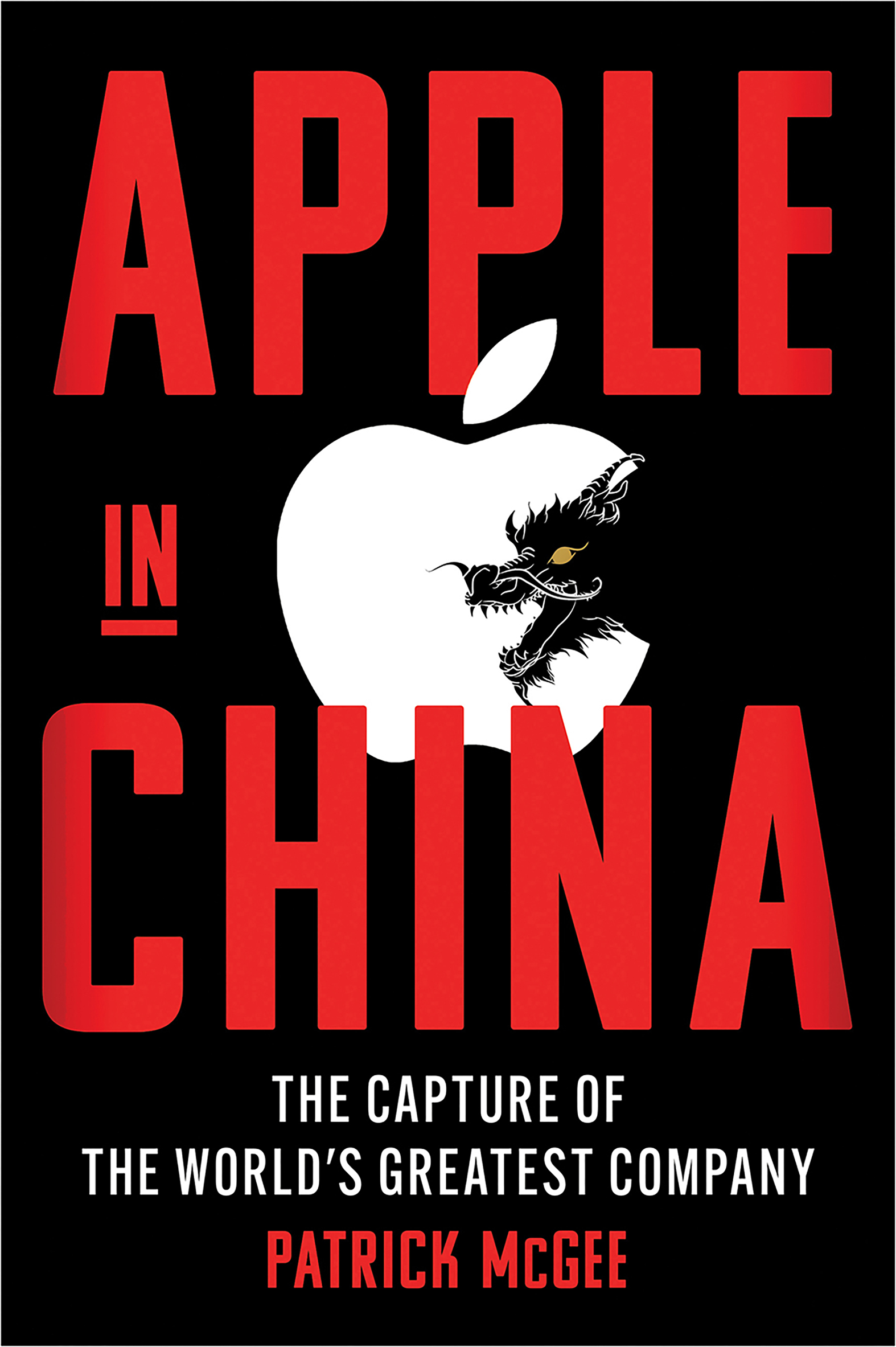
Apple in China
Patrick McGee · 3 highlights
"Blevins couldn’t be at every meeting, so he taught his subordinates the values he’d picked up working at a used-car lot as a teenager. When the procurement team would meet in Hong Kong or Shenzhen, each would be given the same amount of currency, then sent off to the local market for a set time. Whoever came back with the most silk ties was the winner. This game would be played over and over again, inculcating a sense of intense competition."
"Blevins had already been a spectacular negotiator, and as Apple grew, he developed further ways to tilt the field. He’d organize suppliers into adjacent hotel rooms, then travel from one to the next, pushing prices lower and subtly indicating that some rival had just made a better offer. Blevins wouldn’t let the suppliers order food or leave the rooms, and depending on the situation, he’d toy with the temperature. If it was the kind of hot and humid summer in Hong Kong when nobody would think to have brought a jacket, Blevins would crank up the air-conditioning in the hotel room, to the point where only the Apple team was appropriately dressed. “Then they would go all night till they made them cave,” one colleague says. Apple’s terms could be hard to say no to. In the 2010s, Apple would often ramp a product from hundreds of thousands of units to the tens of millions. Margins might be risibly low, but a supplier could become rich off the volumes."
"Colleagues called Tony “the Blevinator” for being ruthless and stopping at nothing to get a good deal. He deployed tactics so detailed, aggressive, and consequential that a supplier ostensibly winning an Apple order might later regret it given the scale of investment required, the demands Apple would place on them, and the fact that the company could turn on a dime to another supplier if needed. “Apple has a trail of dead bodies miles long,” says a high-ranking executive at a contract manufacturer that worked with the company for decades. “When business is great, everybody wins. And when it’s not, they go under.” Blevins had a particular ability to read other people. One says it was “a mind-blowing thrill” just to watch him negotiate. “You could see where he was going, and you knew that he was going to get what he wanted, because he was so much smarter than the person he was talking to,” the colleague says. “He just steered the conversation to the ultimate ending of what he wanted. It was absolutely brilliant.” Another recounts how, the night before a negotiation, Blevins talked through his reasoning and foretold where his opponent would end up. The following day, after hours of psychological warfare and tit for tat over the smallest details, the opponent proposed the very thing that Blevins had predicted. Then Blevins acted like it wasn’t necessarily in Apple’s best interests to agree and signed the deal. The Apple team walked out, awed by what had transpired as Blevins chuckled about it."