Train Everyone Then Pit Them Against Each Other
Books Teaching This Pattern
Evidence
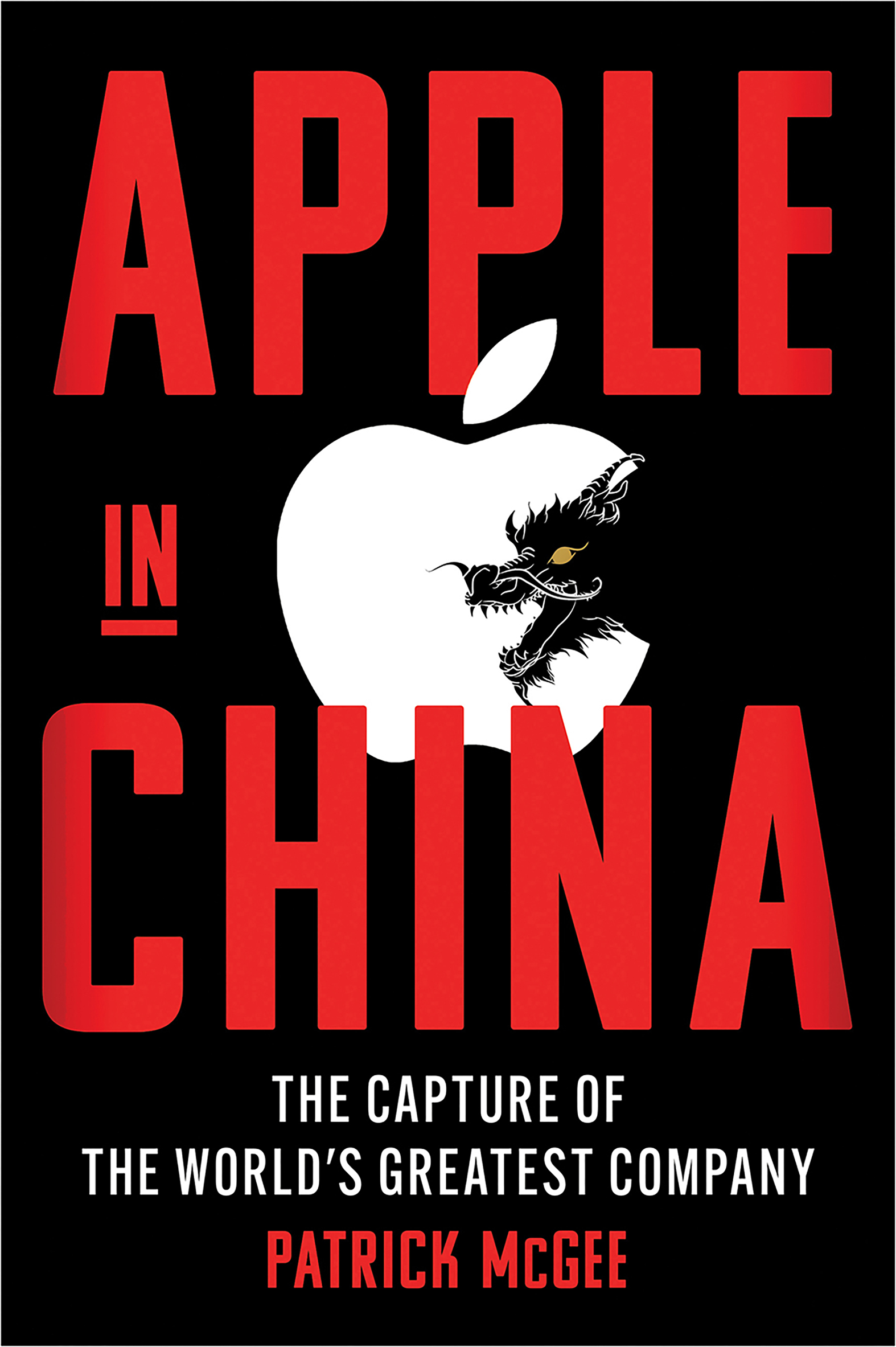
Apple in China
Patrick McGee · 4 highlights
"Given Apple’s scale and manufacturing concentration, the result of this strategy is that Apple spawned the formation of major industrial clusters in which engineers from Cupertino would teach multiple factories how to, say, shape glass for the iPhone. So instead of being beholden to Lens Technology—the company that cut and tempered Corning glass for the first iPhone—Apple would constantly send engineers from Cupertino to train its rivals. That kept Lens on its toes, lest Apple choose a different supplier for the next-generation iPhone—a potential catastrophe as Apple, by 2015, was producing a quarter billion iPhones per year. Moreover, it kept Lens from raising its prices. So any company supplying Apple with some component was preemptively thwarted from believing it had any power to exert, because Apple made it known that it had options."
"O’Marah recognized that Apple’s strategy was brilliant. It accounted for why the company was running circles around the competition, turning revered companies like Nokia and BlackBerry into case studies of strategic failure. But it had one major flaw. Whereas smartphone rivals like Samsung could bolt a bunch of off-the-shelf components together and make a handset, Apple’s strategy required it to become ever more wedded to the industrial clusters forming around its production. As more of that work took place in China, with no other nation developing the same skills, Apple was growing dependent on the very capabilities it had created."
"Indeed, the industrial clusters supported by Apple’s gargantuan investments were so significant that other phone makers came under tremendous pressure to keep up. But lacking a playbook or the detailed knowledge of how Apple operations worked, they turned to Chinese suppliers for help, giving over intellectual property in exchange for a speedy response. “They all completely abdicated,” says Horace Dediu, the former Nokia executive who now runs the market intelligence group Asymco. Apple, in other words, set in motion a series of events that helped Chinese suppliers win more orders and advance their understanding of cutting-edge manufacturing. At the same time, Western manufacturing of electronics atrophied."
"The Foxconn officials proposed to help in the development of the next iPod. They offered to do schematic layouts of the factory and perform much of the grunt work, like creating detailed digital models of the needed parts in CAD, or computer-aided design. Because it had such confidence in Apple’s future, Foxconn said it would take on this work for pennies on the dollar. Tony Fadell credits Terry Gou with understanding the value of working with Apple better than anyone. “Terry was all about the relationship. He knew he needed to be with somebody whom he could grow with,” Fadell says. “He just knew that if he had a really good relationship with us, he would be able to grow with it and get the capital he needed to be able to build the infrastructure ahead of everyone. And the other thing is, we trained all his engineers.”"