Unconstrained Design Not Cost Arbitrage
Books Teaching This Pattern
Evidence
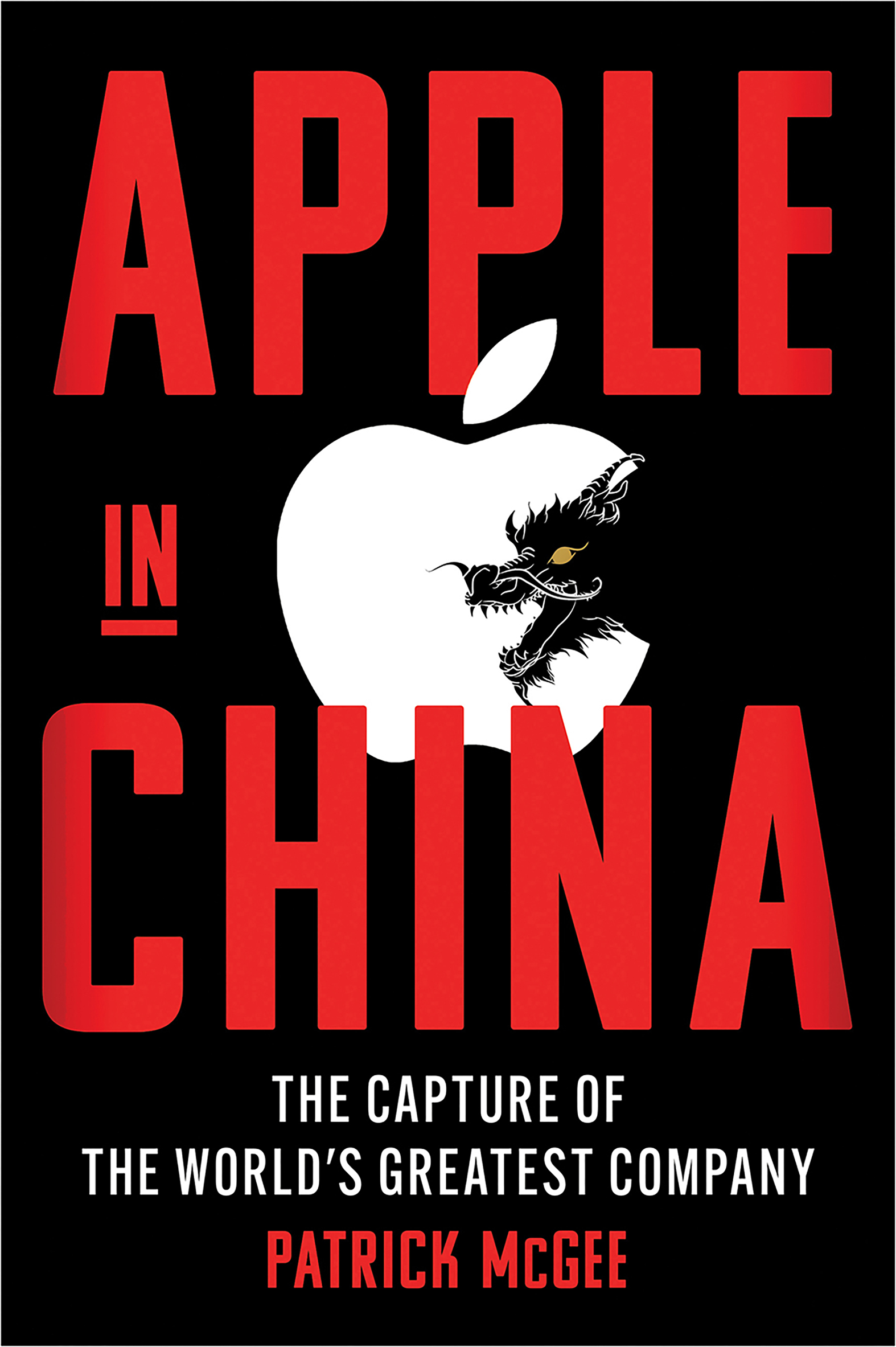
Apple in China
Patrick McGee · 3 highlights
"For Dell, ever focused on efficiency, China’s advantages were all about cost and scale—that is to say, they were about *margin*. But Apple looked at the armies of affordable, available labor and saw a different potential: *unconstrained design*. Or to put it differently: Western PC companies were shifting to China because of what was *available*; Apple shifted because of what was *possible*."
"what Apple was realizing was that thousands of laborers cheaply handcrafting Apple hardware on a conveyor-belt production line allowed its designs to be maddeningly intricate, complex, and automation-unfriendly."
"Apple was different: under the design direction of Jony Ive, Apple’s product portfolio remained radically simplified. Even by 2015, Apple was only releasing two new iPhones a year. They were hand crafting luxury phones but doing it in mass-market quantities. In their search for suppliers, Apple gravitated toward quality, not price. To reach that quality, Apple had to come up with new processes to make the phones; but until Apple chose a new design these processes wouldn’t exist. So it had to work far more intimately with suppliers. “Apple influenced the entire manufacturing process because what they were doing was so unique. Nobody else was doing this, so Apple had to fund that equipment,” says Brian Blair, a tech analyst who repeatedly toured Apple’s suppliers back then. He uses an analogy from the automotive world: it’s one thing for Volkswagen or GM to make 10 million cars a year; what Apple was doing was akin to making 10 million Ferraris a year."