Zero Inventory as Theological Doctrine
Books Teaching This Pattern
Evidence
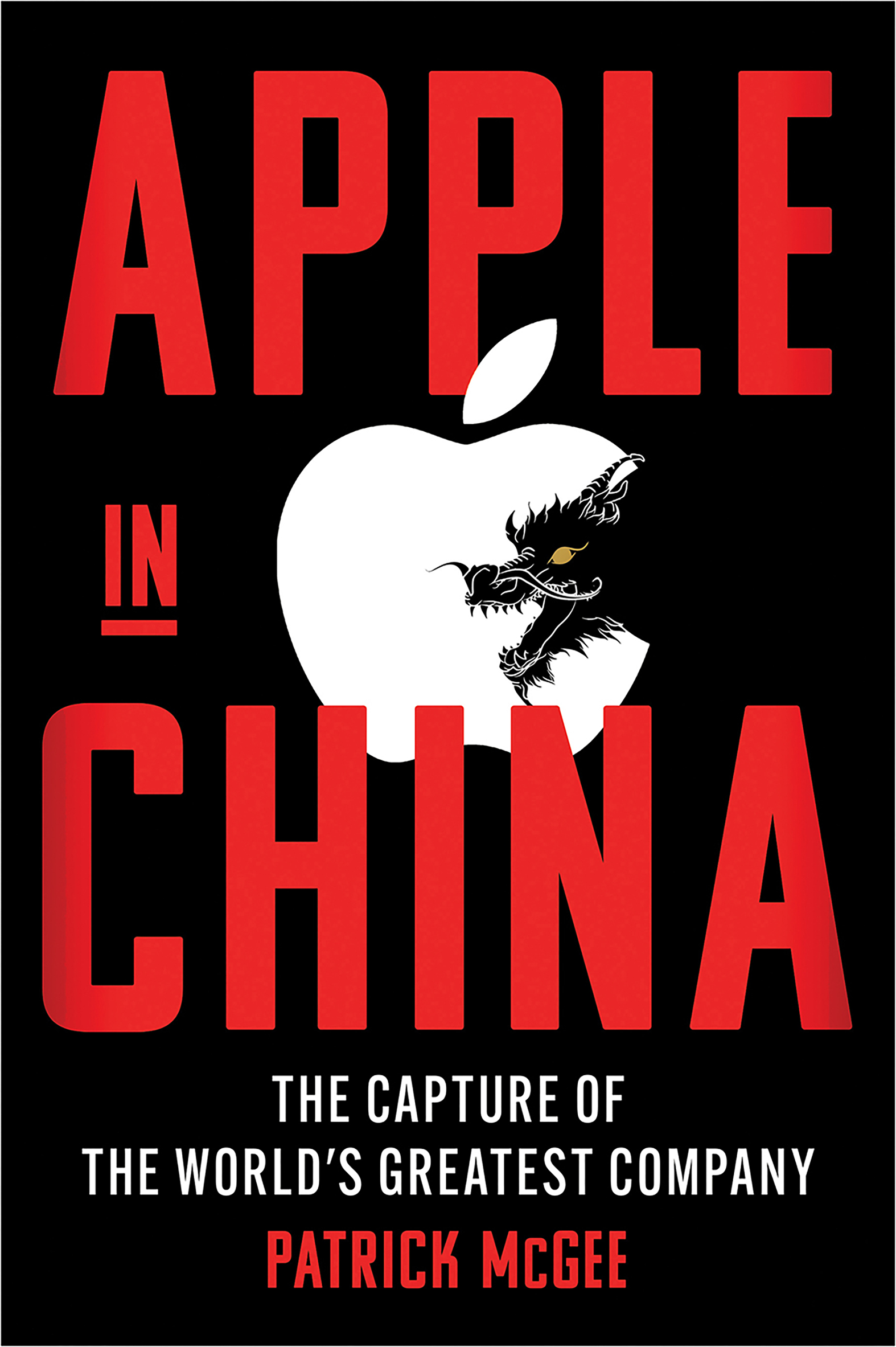
Apple in China
Patrick McGee · 3 highlights
"Foxconn’s system could handle other tweaks to the configuration as well, such as different processor speeds and memory upgrades, so regardless of what the customer ordered, Foxconn could put it together without delay. The production lines Foxconn built were just for Apple, and around each assembly line, it formed a hub of sites to build everything else that was needed: the molding factory, plus production lines for the logic boards, keyboards, mice, and language kits. “The whole supply chain was built around the assembly line,” says an Apple employee who worked on setting it up. “Only when the order is triggered [would Foxconn] start to pull all the different components from the hub out and into the assembly line.” And once an iMac was assembled, it went immediately into Apple’s sales division. The system was designed so that Apple’s inventory was virtually zero—as soon as Foxconn delivered a finished iMac to Apple, it was placed en route to a customer. If there was no order, there was no inventory. Of course, Foxconn had to buy the necessary components in advance, but that was its problem, not Apple’s."
"Tim Cook had once described inventory as “fundamentally evil,” likening electronics to dairy products that might spoil. Another time he said, “I’d prefer to be able to talk inventories in terms of hours, not days.” The results showed this was not a mere aspiration. Apple had 2.5 times better inventory turns than Nokia or Tesco, a grocer lauded for its efficiency, and it was 12 times better than Coca-Cola."
"Daniel Vidaña, a director of iMac supply management, says the scale Cupertino required was “insane.” On average, Apple was selling 5,000 iMacs per day. The operations team had to be ultra-efficient to avoid hemorrhaging cash, as the iMac was meant to be a low-cost product that families would buy. The multiple color options, he adds, amplified complexity and uncertainty. “I was in charge of the planning side of things,” Vidaña says. “I was telling the factories every week which colors, which models, had to be built. That was sent to our logistics teams and the manufacturers, but they weren’t doing it. Every day we got a report saying, ‘This is what we built.’ They were not adhering to our plan. They were not building what we wanted; they were building what was easiest for them. And they were only building in quantities they could manage or handle in the supply chain.”"