Aspirin-in-Hungary Geographic Hedging
Books Teaching This Pattern
Evidence
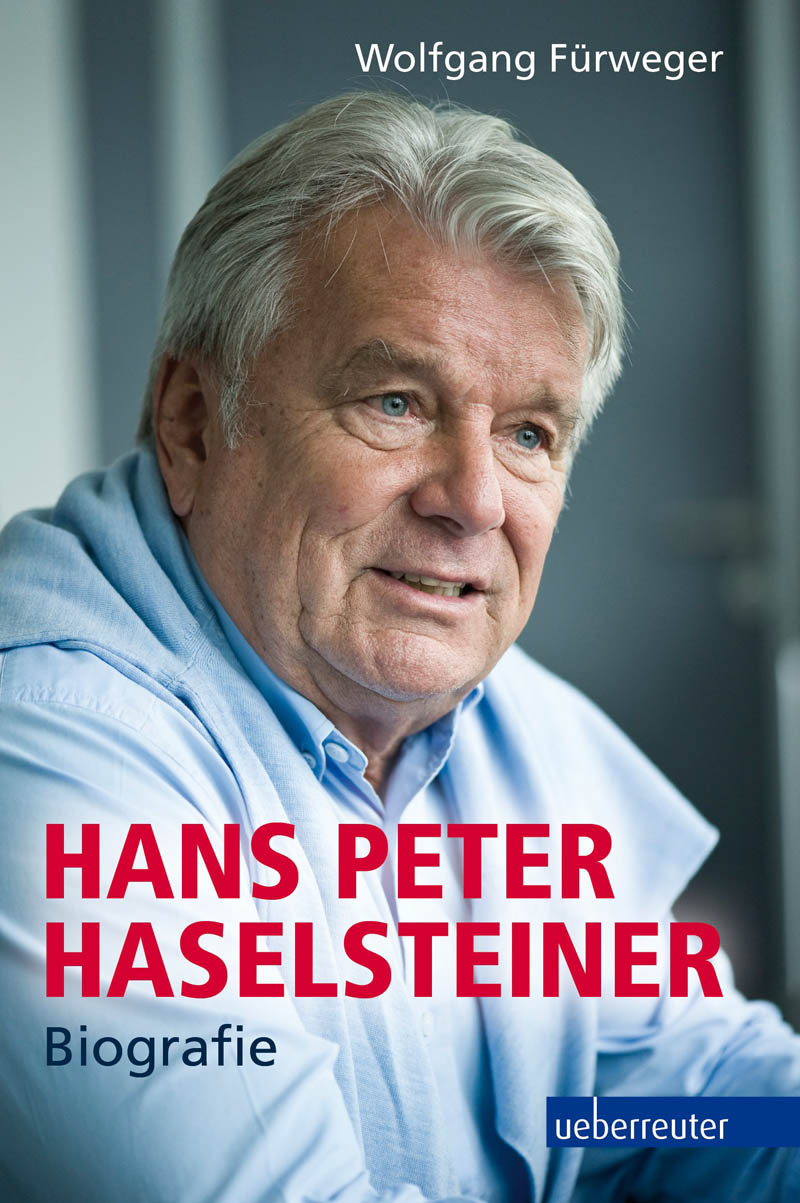
Hans Peter Haselsteiner Biography
Wolfgang Fürweger · 3 highlights
"The construction tycoon was certainly under no illusion that the merger would be complete with the formal restructuring. “It will still take years for the full implementation of the corporate structure.” In 1999, he estimated the costs of the restructuring to be up to 300 million schillings (23 million euros) – a substantial sum for that time: “We have endeavored to take the best from all parts of the group. All costs will be more than offset by the expected synergy effects.” His credo was to become resistant to crises in individual states by spreading the business over several countries: “If, for example, Germany has a headache, we simultaneously have aspirin in Hungary.”"
"The doubts seemed to be quickly dismissed. The move to East Germany initially became a successful model. The new companies, which were formally subordinate to Ilbau as a subsidiary of Bau Holding, grew to 700 employees within a few months. Just one year later, the East German subsidiaries were conducting so much business that the total group’s revenue shot up by 15 percent. Haselsteiner then targeted other markets, including Poland and the then still-existing Czechoslovakia, alongside Hungary where he was already active. In Hungary alone, Bau Holding was active with five own companies. Shareholders enjoyed substantial profits shortly after the IPO - in 1991, a dividend of 20 percent was paid. It was a golden time - sales expectations were corrected upwards almost monthly. By the end of the financial year 1991/92, Bau Holding had generated more than ten billion Schillings (700 million euros). For Austrian standards at the time, this was an incredible revenue. And the group was highly profitable: the profit amounted to 400 million Schillings (29 million euros). By 1993/94, the revenue had grown to 15 billion Schillings (1.1 billion euros) - an increase of 50 percent in just two years. Profits also continued to rise - although not quite as sharply: They now amounted to 450 million Schillings (32 million euros)."
"For his expansion plans in the East and also due to an economic downturn during this time, which was one of the reasons for stepping abroad, Haselsteiner transformed his Ilbau Group from late 1986 from a difficult-to-manage conglomerate of individual companies and their various subsidiaries into a real corporation with streamlined structures and short decision-making paths: The parent company Bauindustrie Holding AG (BIHAG) was established, later simply called Bau Holding. Beneath Bau Holding were Ilbau GmbH, Negrelli Bau AG, and Asphalt & Beton GmbH. Each of these three subsidiaries, in turn, had several regional subsidiaries. With an annual turnover equivalent to just under 440 million euros and 5,000 employees, Bau Holding was the second-largest construction group in Austria at the time of its founding. With fresh capital from Girozentrale, in 1987, Haselsteiner ventured into Hungary, two years before the fall of the Iron Curtain: “We Austrians felt responsible for what used to be the monarchy.” With this move, he was ahead of leading domestic companies from other industries such as the car dealership Porsche Holding (Porsche Austria) or Red Bull, which only expanded their businesses to Hungary after the end of Communism."