Buy the Debt, Control the Board
Books Teaching This Pattern
Evidence
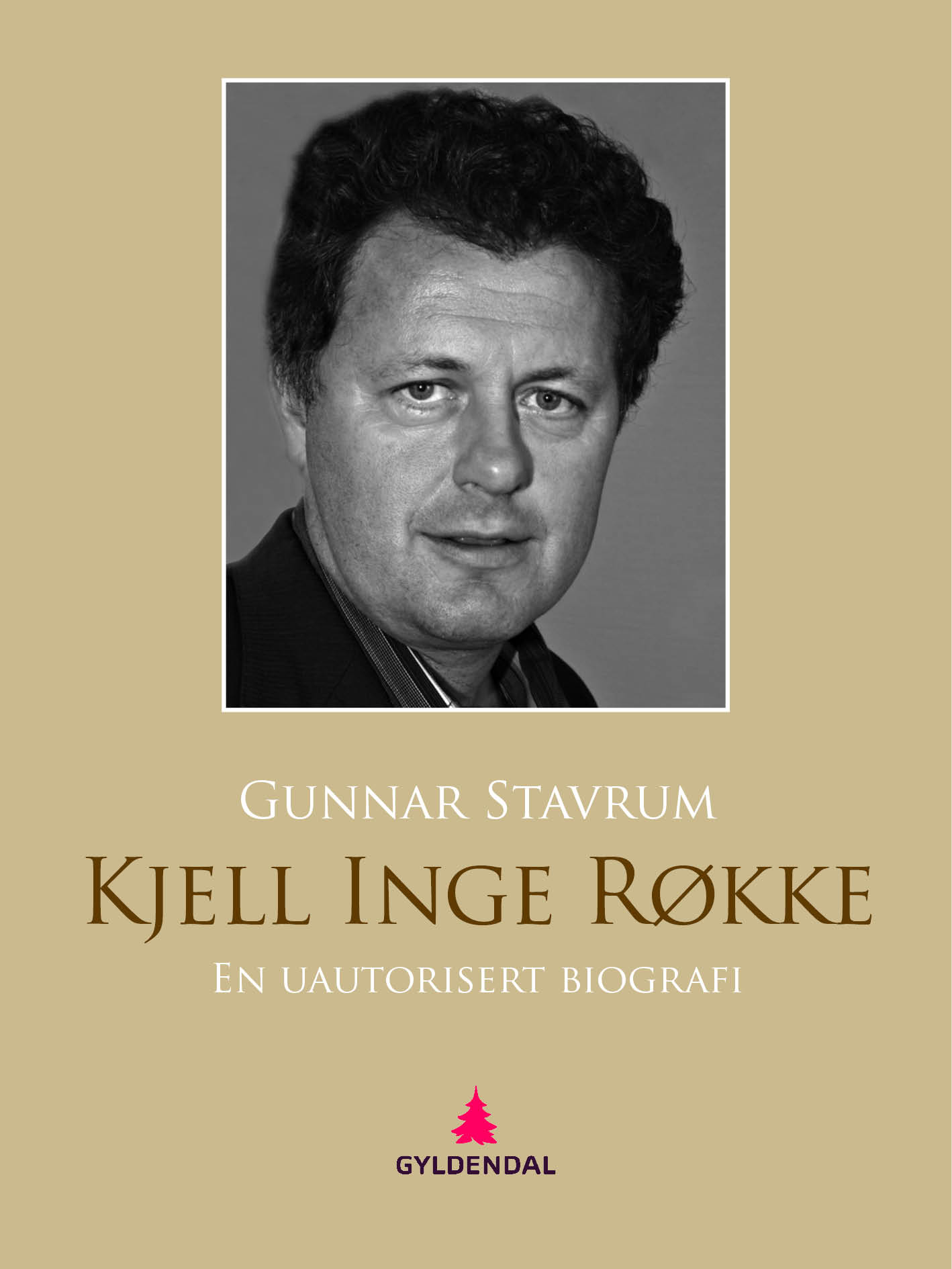
Kjell Inge Røkke (translated)
Gunnar Stavrum · 3 highlights
"It is in real estate that Kjell Inge Røkke has performed his toughest stunts, and it is here he has used some of the toughest methods. Method number one has been to buy up the debt of crisis-stricken companies and then pressure the management and owners to beg for mercy. When you sit with large loans and do not have money to pay interest, then you do not have much to say. With the merger with Avantor, Røkke's foreign properties were separated out so that they were not included in the deal. Thus, Ken Uptain continued to manage the luxurious Grand Harbor project in Florida and the less lucrative Lynnwood shopping center in Seattle for RGI. At the beginning of the 90s, Uptain represented one of the real veterans in Røkke's business life. They had known each other since the first party in 1984 and had been partners in many hundreds of apartments. Moreover, it was Uptain who came up with the name that would become Røkke's: The Resource Group, which eventually became RGI. Now, he was a bit sidelined as Jan Petter Storetvedt emerged as the new real estate comet within the group."
"Kjell Inge Røkke has a phenomenal ability to pick winners and bring them into his fold. And he strikes when it suits the opponents least. A good example is the Seattle-based Svåsand family and their Aleutian Spray Fisheries. The boats were operated by the Norwegian Bernt O. Bodal, who had been at sea for many years as a captain and was a key employee in the shipping company. Bodal used his position to obtain ownership shares, but there was constant quarreling between the owners and the manager about which direction the shipping company should take, and economically, it was doing poorly. From the sidelines, Røkke watched as the shipping company dug itself deeper into debt, he fancied the boats and made his plans. So when the bank put the screws on the shipping company, Røkke struck and bought the debt. Now it was Kjell Inge Røkke who could dictate the terms. The first thing he did was to buy out Bernt O. Bodal by tempting him with ownership shares. The old owners couldn't do much and just had to accept being bought out for next to nothing. The outcome was that Røkke and Bodal started American Pacific Fisheries and took over "Pacific Navigator," "Pacific Scout," and "Pacific Explorer." Bodal received 20 percent. In this way, Kjell Inge Røkke managed to kill two birds with one stone: He secured the small, but top-modern trawlers, and at the same time recruited a man he considered very skilled. The ownership share Bodal received ensured that he was bound to the mast for the foreseeable future."
"During some quick chess moves, Røkke, Gjelsten, and Storetvedt moved properties between their companies and hyped up the values. Once again, Kjell Inge Røkke was on all sides of the table when the deals were made. It started with ANS Gresvig Bygg, the headquarters of the sports wholesaler in Askim. The building was sold to Gjelsten & Røkke Eiendom and leased back again. Now, you might not think that had a significant effect, but then you do not work at the Oslo Stock Exchange. With this maneuver, Røkke managed to reduce the debt in Gresvig – while simultaneously increasing the income in his real estate company. And just like that, both rose in value, even though Røkke was really just dealing with himself. This is how a kingdom was united under Jan Petter Storetvedt. When one of Røkke's companies had a large office or a factory building, it was sold – and leased back. Thus, everything was transferred to the newly started company Industribygg. Gradually, this company had purchased industrial buildings for close to 275 million kroner from the other Røkke companies, including four factory buildings belonging to the major fish exporter Skaarfish, which Røkke bought for a song when the company was down and out. Thus, the companies were stripped of properties. But not to slaughter them and parcel them out into delicacies according to Bjørn Rune Gjelsten: "The reason why we established Industribygg was that too much management time was spent on the property holdings and not on operations. Managers should focus on operations, and the real estate company should take care of the properties." Moreover, it was Røkke and Gjelsten who held the magic formula that could transform the dusty industrial buildings into ringing coin in the cash register. The first move was a stock market listing, or rather; finding a backdoor onto the Oslo Stock Exchange. The solution was the real estate company Avantor, the Andenæs family's old company which had developed, among other things, Oslo Havnelager, but which was leading a dormant existence, marked by the family's financial troubles. It was another friendly raid."