Contrarian Counterprogramming as Market Entry
Books Teaching This Pattern
Evidence

A Time for Reflection
William E. Simon · 3 highlights
"WILLIAM SALOMON, FEBRUARY 22, 1994 Certainly at the time we were the largest risk-takers in the business. That wasn’t always necessarily out of choice. It was due to expediency. We didn’t have many people working for the firm who were members of the “right” clubs. Years ago, the old-time firms that became our major competitors had built-in business through family connections and college acquaintances. They were tied in because of who they were, while we were somewhat of a Johnny-come-lately with no Ivy League background and no tennis or other club memberships. We weren’t part of the “in” group in those days . . . So we had to fight our way in. The only way we knew how to fight was to take more risks than somebody else would take"
"We constantly had to illustrate we would pay more or sell cheaper. Our philosophy was taking chances . . . We were a risk-taking firm"
"The game, of course, is to “make the market,” and to make the market, you have to be in the market, and sometimes you are going to lose. But one thing is absolutely certain: You can’t hit so much as a foul ball, let alone a grand slam, unless you are willing to step up to the plate and face whatever is thrown your way. You’ve got to be in the game to play—an obvious observation, but one that bench warmers fail to grasp"
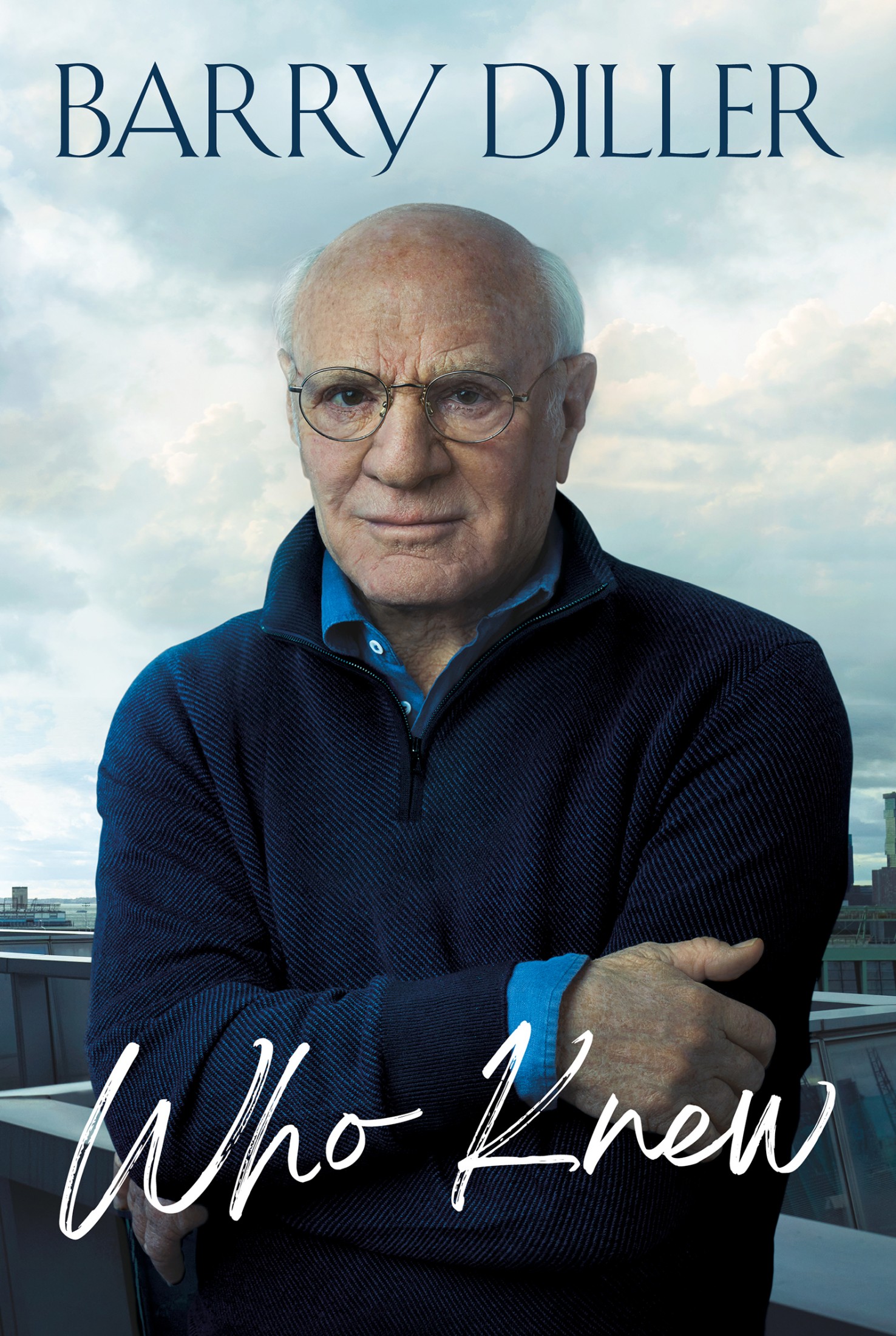
Who Knew
Barry Diller · 3 highlights
"Over time, the distinct images of the three networks had blended together. Initially, CBS had been Tiffany, NBC was live “specials” and color, and ABC was the shoot-from-the-hip network that would try anything. ABC had become number one, and as the other two tried to compete, the programming for all three networks had grown very similar. I’d always been a contrarian counterprogrammer and believed this opened the opportunity to start a brand-new independent network and began to scope out how to get it launched."
"Finding our own vein took some false and painful poking about. Finally, in the nick of time came a script that lit my contrarian spark and came to define what Fox was. The title on the first page woke me up: *NOT THE COSBYS.* At the time, *The Cosby Show* was the most successful program on television, a gentle sitcom about an idealized, decent, and loving family (just how idealized we now know, given the revelations about Mr. Cosby). *Not the Cosbys* was about a dysfunctional family saying and doing every impolitic, incorrect thing possible. And it was hysterically funny. We’d found our edge. We were going to be an *alternative network*! We had to change the title, of course—it became *Married… with Children.*"
"I’m drawn to things that don’t conform to the standard, which is, in some way, a rejection of the concept that normal is good. Normal is average, and I learned very early that concepts of normality not only didn’t apply to me but weren’t going to produce anything original. We were going to find, unfortunately not in the beginning, that all our successful shows were “different” from what the three networks offered. We learned not to program in the mainstream and instead be an alternative entertainment experience."