Crisis of Belief Before Crisis of Cash
Books Teaching This Pattern
Evidence
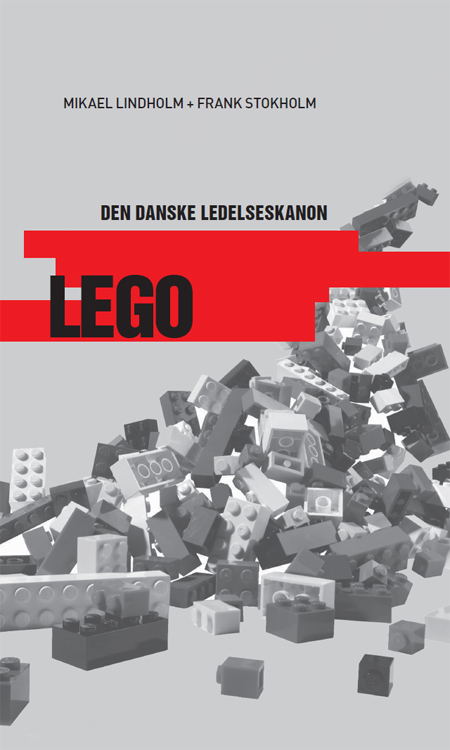
Lego - The Danish Management Canon, 3
Mikael R. Lindholm · 3 highlights
"“A company’s strength begins with a crystal-clear idea of why it exists and is sustained by the leadership living it out. If the belief in why we are there weakens, then the company is in danger, and that belief cannot be read from the financial statement. You can maintain the idea by creating products that support the belief. LEGO’s financial crisis started as a crisis of belief. They aimed for the stars but lost the footing they stood on. The problem is that when things are going well, you often forget to ask why they are going well. It is an important exercise. If you don’t know it when a crisis hits, you risk making mistakes. At the same time, LEGO is an example of what happens if the owner is ill and the board is asleep at the wheel. LEGO’s crisis was visible as early as 1996-97, even though it broke out seriously years later.”"
"“In hindsight, it seems as if LEGO has always had a clear idea, but history shows how the idea has evolved over time and has been tested many times. The greatest risk of losing the idea comes from within when the company either loses sight of itself or has been seized by growth fever,” says Majken Schultz."
"LEGO and its leaders are not the first—nor likely the last—to discuss the water level at length while the ship sinks. American business researcher Jim Collins has analyzed the reasons behind companies’ rise and fall. In the book “How the Mighty Fall”—based on a total of 6,000 years of corporate history—he explains how the fall begins with success, because success breeds complacency, and complacency breeds blindness to reality, leading to a careless pursuit of more success, as one takes it for granted and ignores the facts, creating fertile ground for problems and threats until they grow large enough to trigger the fall. Exactly what was about to happen to LEGO."